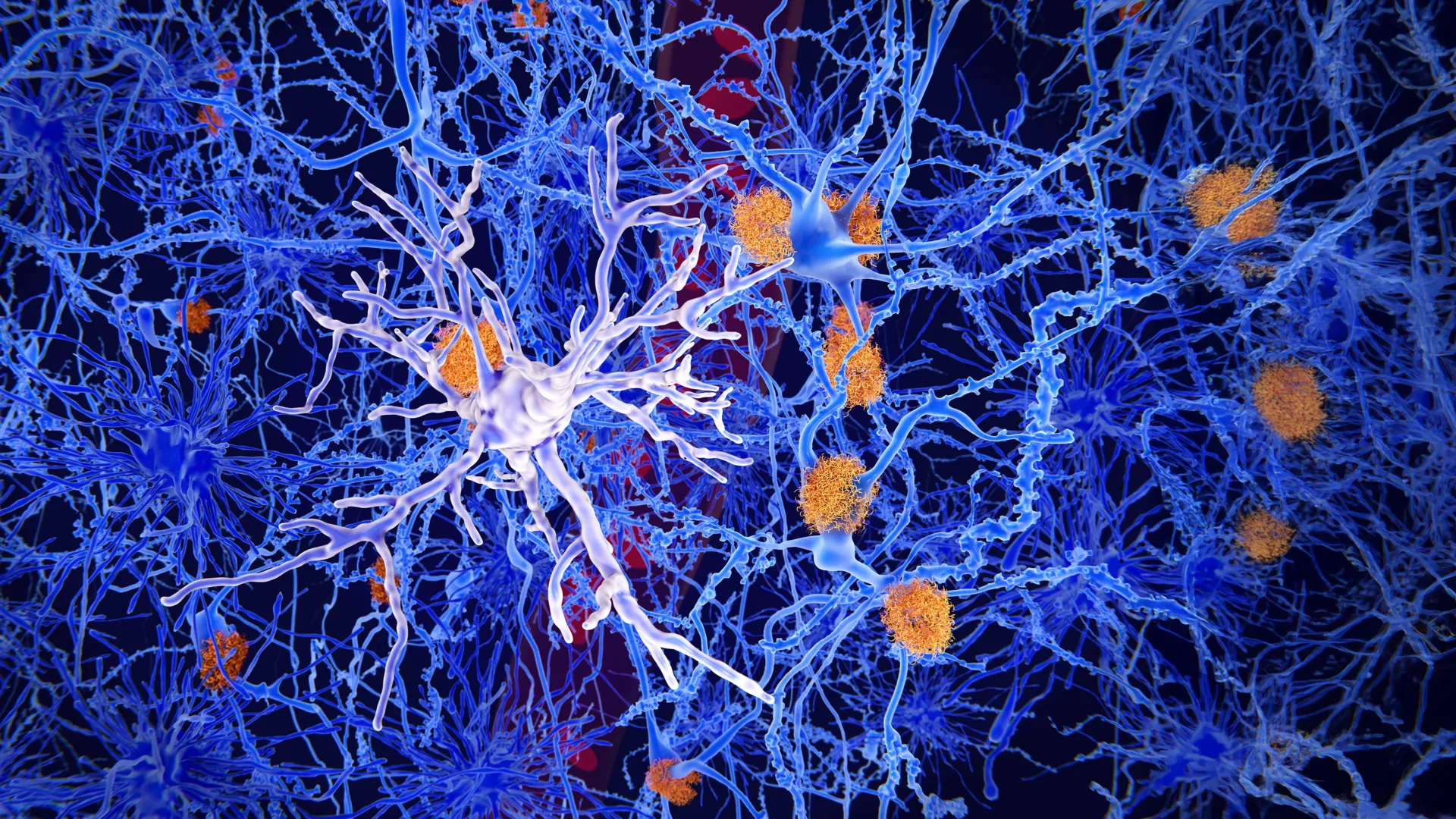
Unlocking Microglia‘s Protective Power: A New Avenue for Alzheimer’s Treatment
For decades, Alzheimer’s disease has been viewed as a relentless accumulation of amyloid plaques and tau tangles in the brain. But emerging research is shifting the focus – not away from thes hallmarks, but towards the brain’s own immune cells, microglia, and their surprising potential to protect against the disease. A groundbreaking study, published recently, reveals a key molecular pathway involving PU.1 and CD28 that could unlock new therapeutic strategies for Alzheimer’s. Could harnessing the brain’s natural defenses be the key to slowing, or even preventing, this devastating disease?
The Shifting Paradigm: From Harmful Inflammation to Microglial Protection
Microglia, the resident immune cells of the brain, have long been implicated in Alzheimer’s pathology. Traditionally, they were seen as primarily destructive, contributing to the chronic inflammation that exacerbates neuronal damage. However, recent research, including this latest study utilizing Alzheimer’s mouse models, human cells, and donated human brain tissue, demonstrates a far more nuanced picture. Researchers have discovered that manipulating levels of a molecule called PU.1 can actually reprogram microglia,shifting them into a protective mode.
This isn’t simply a theoretical finding. The study, a collaborative effort between international research teams, showed that reducing PU.1 levels lead to an increase in lymphoid immunoregulatory receptor proteins – typically involved in managing immune responses elsewhere in the body – within microglia.Even more remarkably, these protective microglia, though present in relatively small numbers, exerted a powerful, brain-wide influence.
The PU.1-CD28 Axis: A Critical Discovery
The team’s inquiry revealed a crucial connection: the CD28 molecule. When CD28 was removed from these protective microglia, the beneficial effects vanished. Inflammation surged, and the progress of Alzheimer’s-associated plaques accelerated. This demonstrated that CD28 is absolutely essential for enabling the helpful actions of these reprogrammed cells.
“Microglia are not simply destructive responders in Alzheimer’s disease — they can become the brain’s protectors,” explains Anne Schaefer, the senior author of the research. This finding builds upon a growing body of evidence showing that microglia aren’t monolithic; they can adopt a diverse range of functional states, playing multiple roles in brain health.
Genetic Links and the Promise of Immunotherapy
This discovery isn’t coming out of the blue. earlier genetic studies, led by Alison Goate, identified a common variant in the SPI1 gene (which produces PU.1) associated with a lower risk of developing Alzheimer’s. Goate clarifies, “These results provide a mechanistic explanation for why lower PU.1 levels are linked to reduced Alzheimer’s risk,” finally connecting a genetic predisposition to a biological mechanism.
Alexander Tarakhovsky highlights the broader implications, noting the surprising influence of immune-related molecules – traditionally associated with B and T lymphocytes – on microglia. “This discovery comes at a time when regulatory T cells have achieved major recognition as master regulators of immunity, highlighting a shared logic of immune regulation across cell types,” he states. This shared system could open the door to novel immunotherapeutic approaches, potentially leveraging the body’s own immune defenses to combat Alzheimer’s.
What Does This Mean for Alzheimer’s Treatment?
the identification of the PU.1-CD28 axis provides a new molecular framework for understanding how protective microglial states arise. While still in the early stages of research, this discovery offers several promising avenues for future therapeutic development:
* PU.1 Modulation: Developing drugs that safely and effectively modulate PU.1 levels in the brain could promote the generation of protective microglia.
* CD28 Enhancement: Strategies to enhance CD28 signaling specifically within these beneficial microglia could amplify their protective effects.
* Microglia-Targeted Therapies: The research underscores the potential of developing treatments specifically designed to target microglia, shifting them towards a neuroprotective phenotype.
Recent Advances & Statistics (2023-2024)
* Global Alzheimer’s Prevalence: According to Alzheimer’s Disease International (ADI), an estimated 55.2 million people worldwide were living with dementia in 2020, with Alzheimer’s disease being the most common form. This number is projected to nearly triple by 2050, reaching 139 million.(Alzheimer’s Disease International, World Alzheimer Report 2021)
* Microbiome Connection: Emerging research continues to highlight the gut-brain axis and the role of the microbiome in influencing microglial function. Dysbiosis (imbalance in gut bacteria) has been linked to increased neuroinflammation and Alzheimer’s risk. (Vogt NM, et al. *Alzheimer’s & Dementia
Worth a look
- Malaysia Registers 26 Rare Disease Medicines as Budget for Treatment Hits RM42 Million
- Argentina’s Childhood Vaccination Crisis: Low Rates and Vaccine Shortages Spark Health Alerts
- New Ultrasound Technique Breaches Blood-Brain Barrier to Treat Gliomas (newsdirectory3.com)
- Why Submarines Switch to Red Lighting at Night (daybreakwire.com)