Echoes of Injustice: Los Angeles Confronts Past and Present Immigration Concerns
Los Angeles is grappling with a stark past parallel, drawing connections between the WWII internment of Japanese Americans and contemporary immigration enforcement practices.Recent events have ignited a powerful conversation about civil rights, xenophobia, and the essential principles of justice within the American legal system.
In 1942, buses transported Japanese americans from Los Angeles to American concentration camps, a dark chapter in the nation’s history. Disturbingly, a similar location witnessed a federal immigration raid in August, occurring during a public news conference with California Governor Gavin Newsom. This event sparked widespread outrage, prompting many to reflect on the cyclical nature of prejudice and discrimination.
A Troubling Resurgence of Fear
The Democracy Center at the Japanese American national Museum (JANM) is at the forefront of this dialog. director James Herr emphasizes a crucial point: protecting the rights of anyone in our community ultimately safeguards the rights of everyone. He argues that the same xenophobia, fear, prejudice, and racism that targeted Japanese Americans during World War II are now being directed toward current immigrant populations.
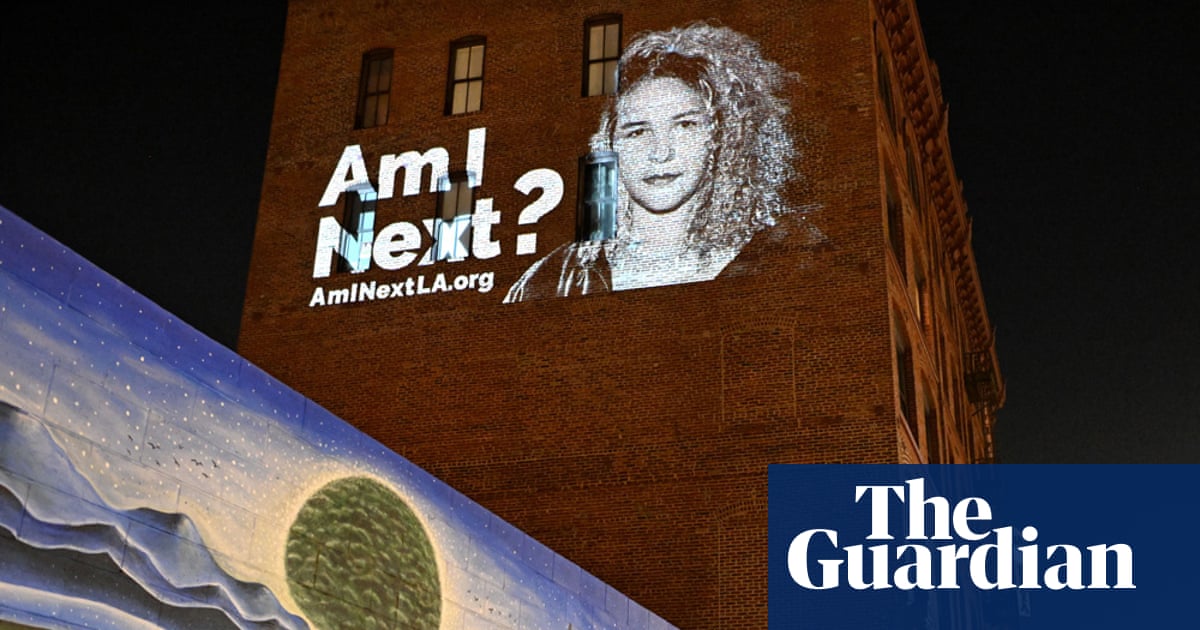
This sentiment is powerfully visualized through a public art installation project called ”We Belong Here.” Projections on buildings throughout los Angeles incorporate images of formerly incarcerated individuals alongside Angelenos protesting ICE raids.
“We Belong Here”: Amplifying Voices and Demanding Justice
The “we Belong Here” project, hosted at LA Plaza de Cultura y Artes, features over 30 large-scale digital images and neon works from ten Los Angeles-based artists. Artists like Brandy González, Lalo Alcaráz, and Patrick Martinez contribute bold and colorful pieces that reflect the immigrant experience and advocate for justice.
Messages like ”Invest in the oppressed” and “It is the weak who are cruel” resonate deeply, challenging viewers to confront uncomfortable truths. The project also showcases images from “Am I Next?”, a poignant campaign highlighting the anxieties faced by immigrant communities.
Expanding the Reach of Awareness
The impact of “Am I Next?” is extending beyond Los Angeles. Institutions in Long Beach are already planning to host the exhibit, and interest is growing in San Francisco and New York City. Organizers aim to project similar images in these cities, broadening awareness and fostering a national conversation.
The project’s creator stresses the urgency of exposing the frequently enough-violent nature of immigration enforcement. He believes its crucial to prevent the normalization of practices that possibly violate core American constitutional rights.
A Defining Moment for American Values
Ultimately,this movement represents a critical juncture for the nation. It compels every American to consider whether constitutional rights apply to all residents, or only to some.
You can learn more about these initiatives and contribute to the conversation through the following resources:
* Japanese American National museum (JANM): https://www.janm.org/
* LA Plaza de Cultura y Artes - “We Belong Here”: https://lapca.org/exhibition/we-belong-here/
* Recent News coverage: https://abc7.com/post/federal-agents-conduct-operation-little-tokyo-los-angeles-outside-venue-where-newsom-announced-redistricting-plans/17537756/ & https://lapublicpress.org/2025/08/little-tokyo-businesses-compare-ice-to-internment/
This ongoing effort serves as a powerful reminder that vigilance and advocacy are essential to safeguarding the principles of justice and equality for all. It’s a call to action, urging you to actively participate in protecting the rights
Keep reading