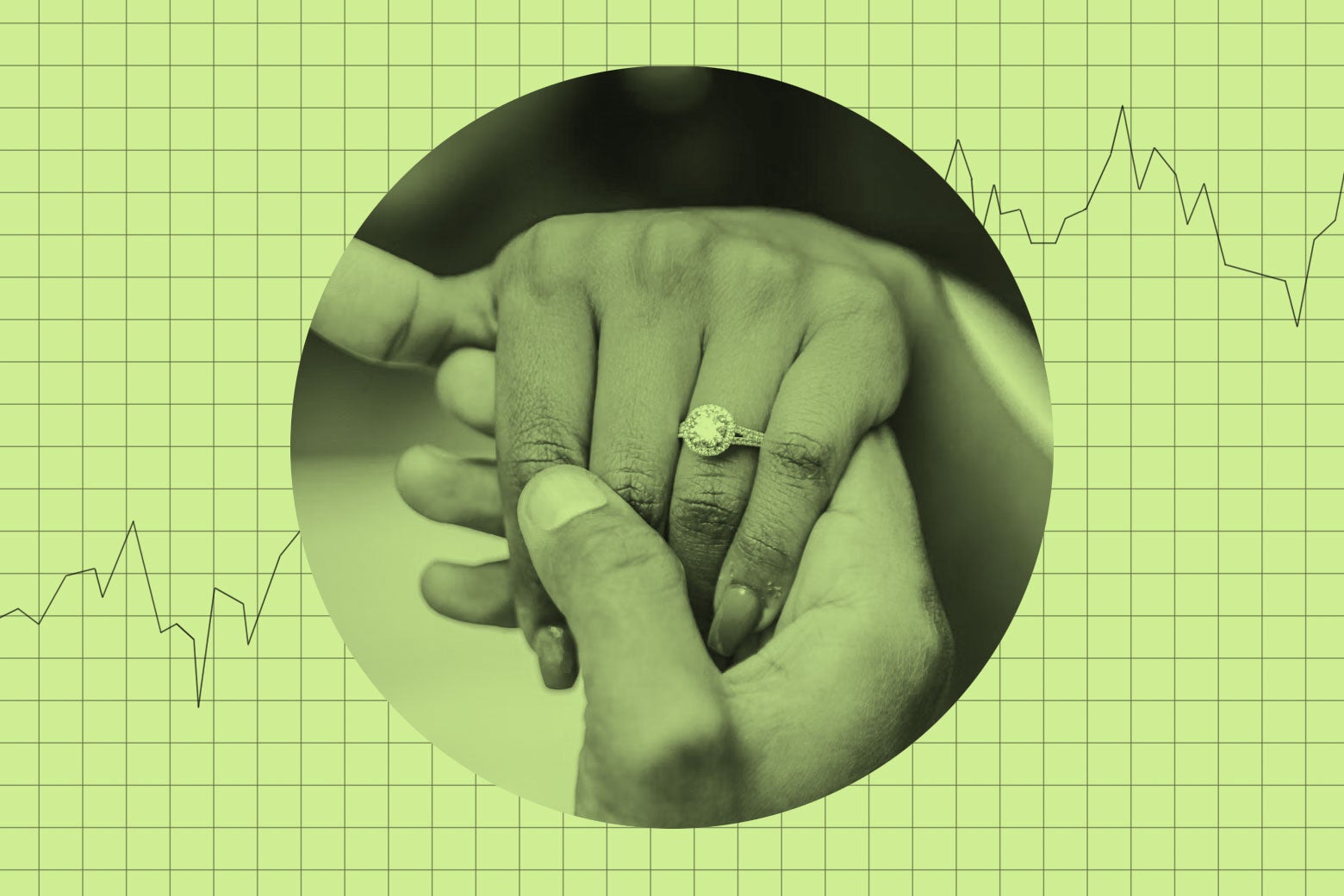
When an engagement ring becomes a point of comparison rather than a symbol of a new chapter, the emotional fallout often centers on perceived value and historical context. Discovering that a partner purchased a more expensive or significant piece of jewelry for a former spouse or partner frequently triggers questions about financial priorities and individual worth. Understanding the psychological and economic dimensions of these gift-giving disparities requires looking at how social expectations and personal history intersect in modern relationships.
According to financial psychologists, the distress stemming from learning about a partner’s past gift-giving habits is rarely just about the monetary value of a diamond. Instead, it often highlights a clash between the current partner’s expectations and the reality of the fiancé’s financial or emotional history. Experts note that individuals often use gifts to project status or commitment, and when those patterns shift, it can lead to feelings of insecurity or a perceived decline in the partner’s investment in the current relationship.
The Economics of Engagement Jewelry
The tradition of the engagement ring has evolved significantly, yet it remains a heavily commodified symbol. Data from the Knot’s 2023 Jewelry and Engagement Study indicates that the average cost of an engagement ring in the United States remains a significant financial outlay, often representing several months of salary for the purchaser. When a partner learns that a previous ring was more expensive, the immediate reaction is often a quantitative comparison, but economists emphasize that financial circumstances change over time.

A fiancé’s financial situation at age 25 may differ drastically from their situation at age 35. Factors such as debt-to-income ratios, career progression, and changing views on personal finance play substantial roles in how individuals allocate funds for major purchases. According to the history of the engagement ring, the practice was heavily influenced by mid-20th-century marketing, which standardized the idea of spending a specific percentage of income on jewelry. When a partner compares past and present gifts, they may be inadvertently ignoring the shifting economic realities of their partner’s life.
Psychological Impact and Relational Security
The emotional weight of a ring is subjective, yet it is frequently treated as a proxy for the depth of commitment. Relationship therapists often point out that when a partner feels “less valued” because of a ring’s price, the underlying issue is usually a need for validation. If the current relationship feels less secure, the discrepancy in gift value acts as a tangible piece of evidence for that insecurity.
It is important to distinguish between the object itself and the intent behind it. In many cases, a partner may choose a different style or stone based on a current partner’s personal preferences, which may not align with the tastes of an ex-partner. However, transparency is key. When a partner discovers this information, open communication—rather than internalizing the comparison—is the recommended path to resolving the distress. Without a clear conversation, the discrepancy can fester into resentment, potentially affecting the foundation of the upcoming marriage.
Addressing the Comparison Trap
To move past the discovery of a partner’s previous gift history, experts suggest focusing on the present relationship goals. The following factors are often cited as ways to reframe the situation:

- Contextualize the Timeline: Recognize that financial resources and personal values evolve as people age.
- Focus on Preference: Consider whether the current ring was chosen specifically for your tastes and lifestyle, which may differ from those of an ex-partner.
- Evaluate the Current Commitment: Assess the relationship based on current actions and shared future goals rather than past financial transactions.
- Initiate an Honest Dialogue: If the feelings of inadequacy persist, discussing them openly can help clarify the partner’s intent and alleviate lingering doubts.
While the initial shock of finding out about a prior, more expensive gift is a common experience, it is rarely an indicator of current affection. As the couple prepares for their next official milestone—such as a wedding date or a joint financial planning session—focusing on the future rather than the past remains the most effective strategy for long-term stability. If you have navigated similar challenges in your own relationship, share your thoughts in the comments below.