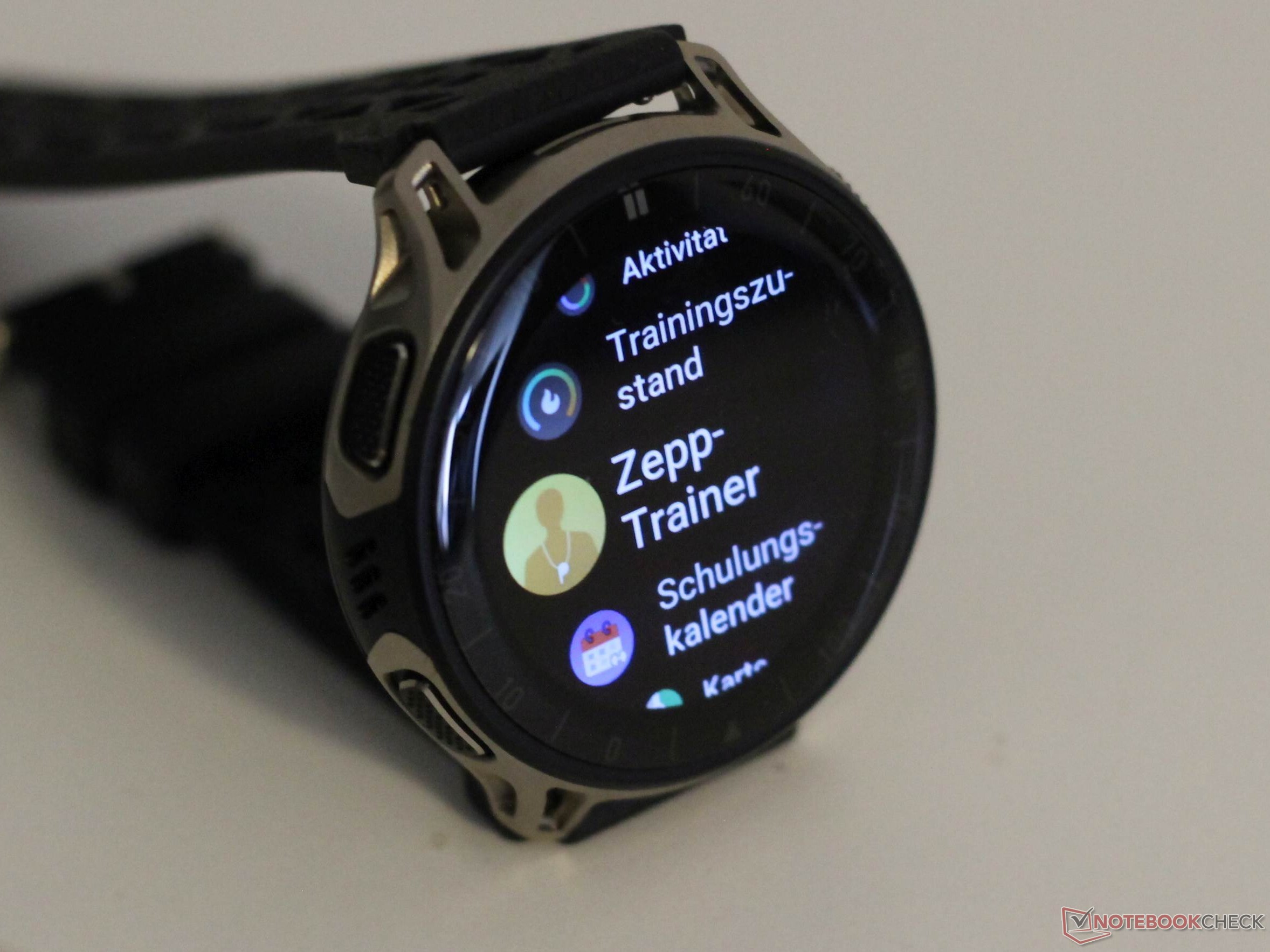
The Amazfit Cheetah 2 series introduces a specialized lineup of running watches designed to optimize athlete training through AI-driven insights and enhanced GPS accuracy. The series, which includes the Cheetah 2 Pro and the Cheetah 2 Ultra, focuses on reducing pacing errors and extending battery life for long-distance trail runners, according to official product specifications from Amazfit.
The Amazfit Cheetah 2 Pro serves as a high-performance tool for road and track athletes, while the Cheetah 2 Ultra targets the trail running community with a rugged build and expanded power reserves. These devices utilize dual-band circularly polarized GPS antennas to maintain signal locks in challenging environments, such as dense forests or urban canyons, where standard GPS often fails.
For trail enthusiasts, the Cheetah 2 Ultra provides up to 60 hours of GPS operation, a critical requirement for ultramarathons and multi-day expeditions. This increase in endurance is paired with advanced navigation features, including offline map support and breadcrumb routing, allowing runners to track their path and return to a starting point without cellular connectivity.
How does the Amazfit Cheetah 2 Pro improve running precision?
The Amazfit Cheetah 2 Pro focuses on the “accuracy gap” often found in consumer wearables. According to technical reviews from Notebookcheck, the device utilizes a dual-band GPS system that significantly reduces the deviation in distance and pace tracking compared to single-band predecessors. This is achieved through a circularly polarized antenna that captures signals from more satellites simultaneously, reducing the “drift” that occurs when running near tall buildings or under heavy tree cover.

Beyond hardware, the Pro model integrates AI-powered coaching. The system analyzes biometric data—including heart rate variability and sleep quality—to suggest recovery times and training intensity. This prevents overtraining by alerting the user when their physiological markers suggest a need for a rest day, a feature designed to mimic the functionality of professional athletic consultants.
The display on the Pro model utilizes an AMOLED screen designed for high visibility under direct sunlight. This ensures that pace, heart rate, and distance are legible at a glance during high-intensity intervals, reducing the need for the runner to break their form to read the watch face.
What makes the Cheetah 2 Ultra different for trail runners?
While the Pro focuses on speed and precision, the Cheetah 2 Ultra is built for durability and endurance. The primary differentiator is the battery life; the Ultra model is rated for 60 hours of continuous GPS usage, which is essential for trail runners who face unpredictable terrain and longer durations in the wilderness.
Navigation is the core of the Ultra’s value proposition. It supports advanced map imports and real-time navigation, which are critical for avoiding getting lost on unmarked trails. According to reports from TechRadar, the series emphasizes “smarter” training, meaning the watch doesn’t just track where a runner is, but provides the tools to plan the most efficient route based on elevation and terrain.
The physical construction of the Ultra is also reinforced to withstand the impacts common in trail running. The chassis is designed to resist scratches and shocks, and the interface includes tactile buttons that are easier to operate than touchscreens when wearing gloves or in wet conditions.
Comparing the Cheetah 2 Pro and Cheetah 2 Ultra
The choice between the two models depends largely on the environment in which the athlete operates. The Pro is a streamlined instrument for the road, while the Ultra is a survival-oriented tool for the wild.
| Feature | Cheetah 2 Pro | Cheetah 2 Ultra |
|---|---|---|
| Primary Use Case | Road/Track Running | Trail/Ultra Running |
| GPS Battery Life | Standard High-Performance | Up to 60 Hours |
| Navigation | Standard GPS Tracking | Advanced Offline Maps |
| Build | Lightweight/Sleek | Rugged/Reinforced |
Why does AI integration matter for modern training?
The shift toward AI-driven metrics in the Cheetah 2 series reflects a broader trend in sports science. Rather than providing raw data, the watches translate numbers into actionable advice. For example, instead of simply reporting a high resting heart rate, the AI interprets this as a sign of fatigue or impending illness and recommends a lower-intensity workout.
This “smart training” approach reduces the cognitive load on the athlete. According to Amazfit’s product documentation, the goal is to provide a personalized training plan that evolves based on the user’s actual performance rather than a static schedule. This means if a runner exceeds their target pace for three consecutive sessions, the AI may suggest an increase in the baseline intensity for the following week.
The integration of these features into a wearable device makes professional-grade data analysis accessible to amateur runners who cannot afford a full-time coach. By monitoring the relationship between exertion and recovery, the Cheetah 2 series helps users optimize their “Taper” period before a race, ensuring they hit the starting line at peak physical condition.
The next scheduled update for the Amazfit ecosystem is expected to further integrate health monitoring sensors with third-party fitness apps, though the company has not provided a specific release date for these software enhancements. Users can check for firmware updates via the Zepp app to ensure they have the latest GPS algorithms.
Do you prefer a lightweight road watch or a rugged trail companion? Share your thoughts in the comments below.