
On July 29, 2024, a 17-year-old male carried out a mass stabbing at a dance studio in Southport, England, killing three young girls and injuring ten others. The attack sent shockwaves across the United Kingdom and triggered days of anti-immigration riots fueled by online misinformation. In the aftermath, the UK government launched an official inquiry to examine not only the perpetrator’s actions but also the broader societal and technological factors that may have contributed to the violence and its aftermath.
The first phase of that inquiry, released on April 15, 2026, has placed significant scrutiny on major technology platforms, particularly X (formerly Twitter) and Amazon, for their roles in enabling the spread of harmful content and failing to implement adequate age verification and content moderation safeguards. According to the report, the attacker had accessed violent and extremist material online in the months leading up to the attack, including content related to sexual violence, torture, warfare, and bombings, much of which was available on platforms with insufficient protections for underage users.
The inquiry’s findings highlight a troubling gap in how social media and e-commerce platforms enforce their own policies, especially concerning minors’ access to dangerous material. While the report affirms that “the perpetrator’s responsibility is absolute” — noting he pleaded guilty and was sentenced to life imprisonment — it also identifies systemic failures in content oversight, parental awareness, and institutional response that allowed harmful narratives to flourish unchecked in the digital sphere.
How Online Platforms Failed to Prevent Harm
The inquiry detailed a timeline of the attacker’s online behavior, revealing that he frequently visited websites and engaged with content on platforms like YouTube and X that depicted graphic violence and extremist ideologies. Despite repeated exposure to such material, including searches related to weapons and mass attacks, there is no evidence that automated systems or human moderators intervened to restrict his access or flag concerning patterns of behavior.
In particular, the report criticized X’s algorithmic design for amplifying divisive and false narratives in the aftermath of the stabbing. Within hours of the attack, misleading claims began circulating on the platform, falsely alleging that the perpetrator was an asylum seeker or Muslim migrant. These rumors, which were quickly debunked by police, spread rapidly due to X’s recommendation systems and lack of timely content labeling, contributing directly to outbreaks of violence against mosques and migrant communities in towns across England and Northern Ireland.
Amnesty International, in a technical analysis published in August 2025, found that X’s policies at the time prioritized engagement over safety, allowing harmful content to remain visible unless it violated narrowly defined rules. The organization concluded that the platform’s structure — particularly its reliance on user-reported moderation and limited contextual AI — made it ill-equipped to prevent the rapid spread of misinformation during crises.
Similarly, Amazon came under fire for allowing the attacker to purchase items potentially linked to the attack through its marketplace, despite having age-restriction policies in place for certain categories of goods. The inquiry noted that while Amazon prohibits the sale of weapons to minors, enforcement relied heavily on self-reported age at checkout, with minimal verification mechanisms. This loophole enabled underage users to bypass restrictions using false information, a vulnerability the report urged the company to close through stronger identity checks and third-party verification integrations.
Calls for Stronger Regulation and School-Based Safeguards
Beyond critiquing corporate policies, the inquiry made specific recommendations aimed at preventing future incidents. One key proposal was to strengthen the UK’s Online Safety Act by extending its requirements to cover educational institutions. The report expressed concern that many schools lack the technical expertise or funding to evaluate whether their internet filtering systems effectively block access to violent, extremist, or age-inappropriate content.
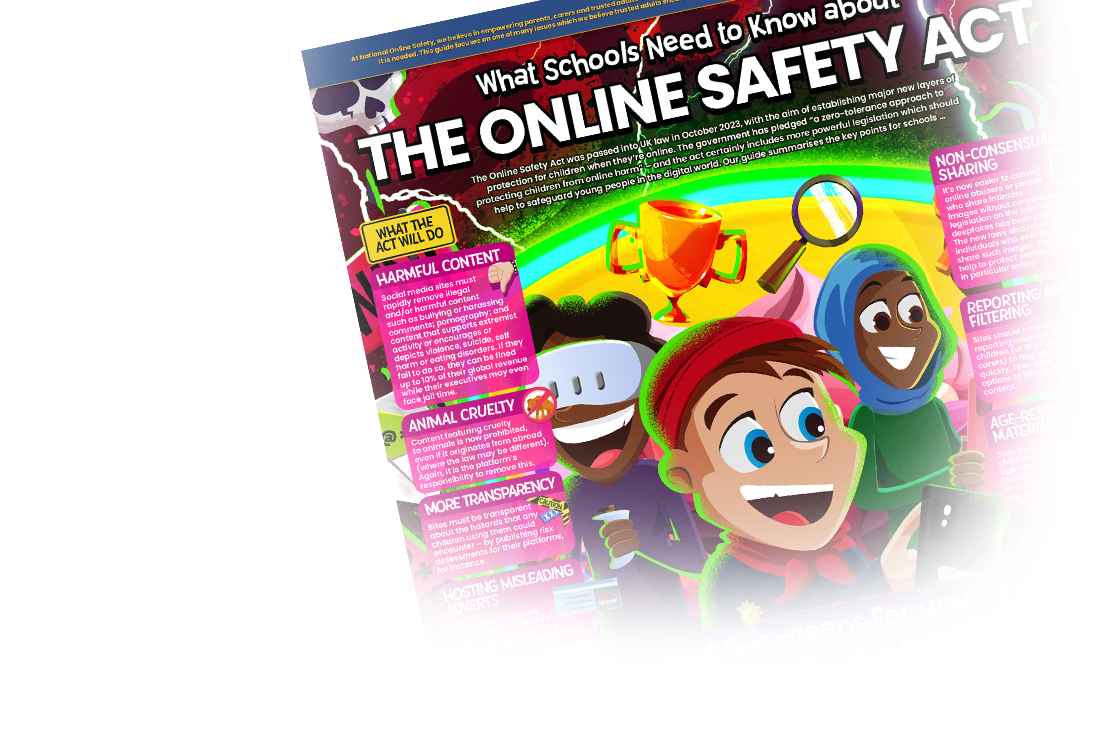
It suggested that the government consider mandating regular audits of school networks, providing centralized guidance on approved filtering tools, and offering training for staff to recognize signs of online radicalization. The chair of the inquiry emphasized that while home environments are important, schools represent a critical point of intervention where early detection could prevent escalation.
The report also urged platforms to improve transparency around how they handle reports of harmful content involving minors. It called for standardized metrics on response times, appeal processes, and the effectiveness of age-gating mechanisms — especially for live-streaming features and user-generated groups that can circumvent traditional moderation.
Industry Response and Ongoing Debates
In response to the inquiry’s findings, X issued a statement acknowledging the tragedy and reaffirming its commitment to safety, citing recent updates to its community notes feature and improved coordination with law enforcement during crises. However, the company did not specify changes to its core recommendation algorithms or age-verification processes, leaving critics skeptical about the depth of its reforms.
Amazon, meanwhile, pointed to its existing safeguards, including automated blocks on prohibited items and cooperation with retailers to enforce age restrictions at point of sale. The company noted that it invests heavily in machine learning models to detect attempts to circumvent policies but admitted that no system is foolproof when faced with determined users employing false identities.
Child safety advocates and members of Parliament have welcomed the inquiry’s focus on systemic accountability but argued that voluntary measures are insufficient. Several MPs have introduced amendments to the Online Safety Act that would require platforms to implement independent age verification — such as through credit card checks or government-issued ID validation — particularly for users seeking to access categories of content deemed high-risk, including graphic violence or extremist material.
These proposals have sparked debate over privacy, with civil liberties groups warning that mandatory ID collection could disproportionately affect marginalized communities and chill free expression. Nonetheless, there is growing consensus across political lines that the status quo — where platforms self-regulate with minimal oversight — failed to protect vulnerable users in the Southport case and risks repeating elsewhere.
What Comes Next
The next phase of the UK’s inquiry into the Southport mass stabbing is expected to be released in late 2026, with a focus on mental health services, policing strategies, and the role of counter-terrorism referrals. According to the Home Office, the attacker had been referred to the Prevent program — the UK’s anti-radicalization initiative — prior to the attack, but no further action was taken due to insufficient evidence of imminent threat.

Families of the victims have called for a full public account of why that referral did not lead to intervention, and whether better information sharing between schools, health services, and police could have altered the outcome. As of April 2026, no date has been set for a public hearing, but the inquiry team has confirmed it will accept written submissions from experts and advocacy groups through the end of the year.
For readers seeking official updates, the UK Home Office maintains an inquiry tracker on its website, where phase reports, evidence submissions, and timelines are published as they become available. Independent oversight bodies such as Ofcom and the Information Commissioner’s Office are also monitoring developments related to platform compliance with emerging safety duties under the Online Safety Act.
This story underscores how digital environments can amplify real-world harm when safeguards are weak or inconsistently applied. While technology companies continue to assert their commitment to safety, the Southport tragedy serves as a stark reminder that policy without enforcement, and algorithms without accountability, can have devastating consequences.
We invite our readers to share their thoughts on how societies can better balance free expression with protection from harm in the digital age. What role should governments, platforms, and communities play in preventing the spread of dangerous content? Join the conversation in the comments below, and consider sharing this article to help inform others.
Worth a look