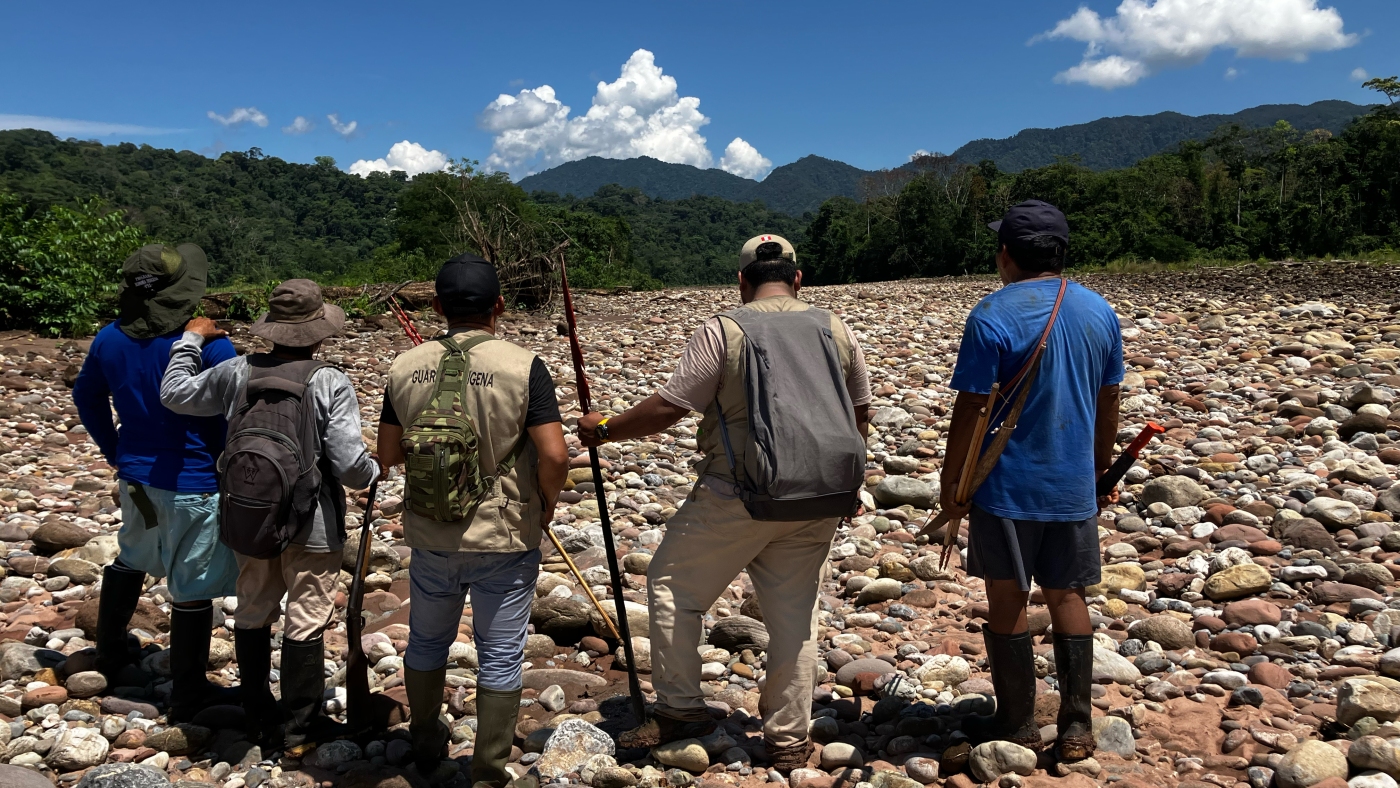
protecting the Uncontacted: The Kakataibo Indigenous Guard’s Fight Against Drug Traffickers
The Amazon rainforest holds secrets,and among its most vulnerable inhabitants are Indigenous communities who have intentionally chosen a path of isolation. These aren’t “uncontacted” tribes, as the term implies a lack of agency. Rather,they’ve consciously retreated from the outside world,driven by a history of devastating encounters with disease,violence,and exploitation. Now, a new threat looms: drug traffickers encroaching on their ancestral lands.
I’ve found that understanding the context of this situation is crucial. These communities aren’t simply avoiding contact; they’re actively protecting themselves and their way of life. The Kakataibo people of Peru are at the forefront of this struggle, and their story is a powerful example of self-determination in the face of immense danger.
A Self-Organized Defense
Recognizing the failures of external authorities to protect them, the Kakataibo have formed their own defense force: the Indigenous Guard. This isn’t a formal military structure, but a community-led initiative dedicated to monitoring and safeguarding their territory.
Here’s how they operate:
* Surveillance: They utilize technology like drones to identify illegal activities within the reserve.
* Reporting: Information gathered is relayed to the appropriate authorities.
* Protection: Most importantly, they act as a visible deterrent and a shield for the more isolated Kakataibo communities.
Within just three minutes of launching a drone, the Guard can pinpoint illegal coca fields hidden deep within the reserve.This rapid response is a testament to their dedication and intimate knowledge of the land.
The Fear within
The presence of drug traffickers isn’t just an environmental concern; it’s a source of profound fear for the Kakataibo. One woman, connected to relatives within the reserve, expressed the deep anxiety felt by those living in isolation. They feel invaded in their own habitat, and the constant threat disrupts their customary way of life.
It’s a heartbreaking reality. These communities are trying to maintain their culture and survival, while simultaneously facing a relentless external pressure.
Facing Direct Threats
The dangers faced by the Indigenous Guard are very real. Segundo Pino, the leader of the Kakataibo Indigenous Guard, regularly receives death threats. I’ve seen firsthand the chilling nature of these messages – misspelled Spanish filled with violent language, promising harm to Pino and other leaders.
One recent threat, received via cellphone, explicitly stated that leaders would “fall one by one” and that “blood will be spilled.” This isn’t hyperbole; it’s a clear indication of the risks these individuals are taking.
A Plea for Self-Reliance
pino’s response to these threats is both resolute and deeply concerning.”How do we defend ourselves?” he asks, voicing a frustration shared by many Indigenous communities. He explains that a loss of faith in government authorities has driven the creation of the Indigenous Guard.
Ultimately,they feel they have no other choice but to defend themselves. this highlights a critical issue: when state protection fails, communities are forced to take matters into their own hands.
You might be wondering what can be done. Supporting Indigenous-led initiatives, advocating for land rights, and raising awareness about the threats they face are all crucial steps. It’s about recognizing their inherent right to self-determination and providing them with the resources they need to protect their future.
this isn’t just about protecting a remote rainforest; it’s about upholding the rights of a people who have chosen to live in harmony with nature, and who deserve to do so without fear.
Worth a look