The Amazon’s Silent crisis: Forest Loss, indigenous Rights, and the Fight for a Healthy Future
The Amazon rainforest, a vital organ of our planet, is facing escalating threats.Recent research reveals a deeply concerning link between deforestation, increased particulate matter pollution from wildfires, and the health of both Indigenous communities and the wider world. Understanding this connection is crucial, especially as international attention focuses on climate solutions ahead of the upcoming Cop30 summit.
A looming Threat to Indigenous Lands and Health
Deforestation in Bolivia’s Chiquitano forest is accelerating,driven largely by agricultural expansion,particularly cattle ranching. This isn’t just an environmental issue; it’s a direct threat to the livelihoods and well-being of Indigenous populations. A potential shift in political power adds another layer of concern.
* Preliminary election results indicate a likely runoff election in October.
* Some candidates have proposed eliminating communal land ownership in favor of individual titles.
* this policy change could jeopardize the territorial autonomy Indigenous communities have long held.
As Verónica, a community member, powerfully states, “Thay are essentially offering up our territory for sale. everything could be lost.” This sentiment underscores the profound risk facing these communities.
The Health Impacts of a Burning Forest
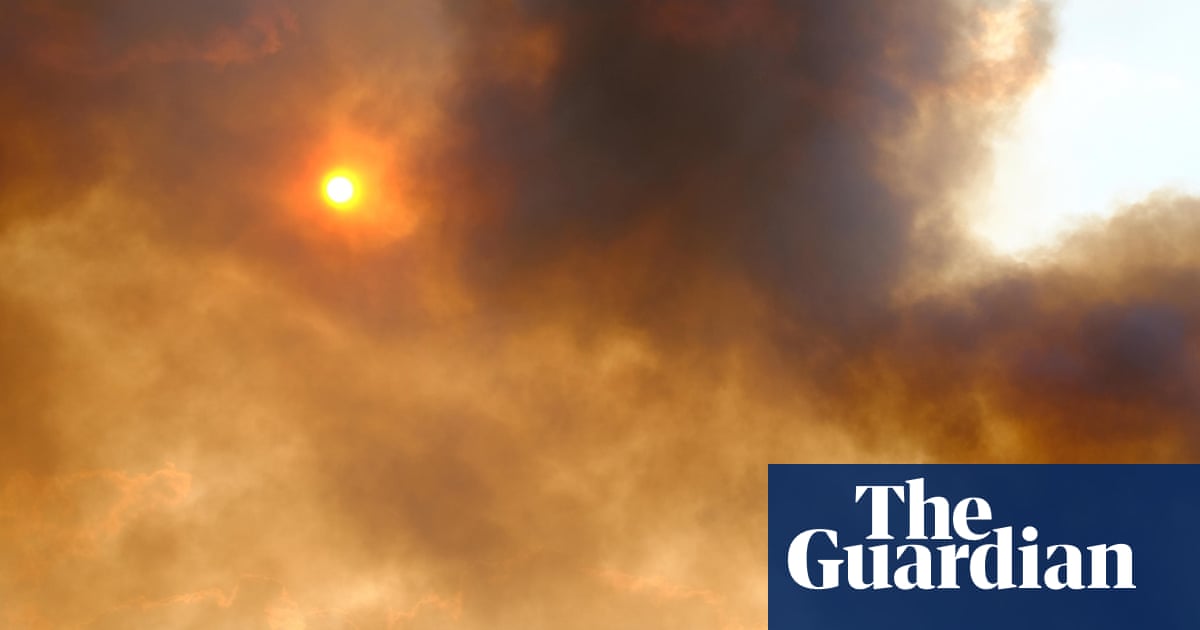
Forest fires, often intentionally set to clear land, release perilous particulate matter into the air.This pollution has significant health consequences, contributing to respiratory illnesses and other health problems. You might be surprised to learn that these impacts aren’t confined by national borders.
* Particulate matter travels across regions, affecting air quality far beyond the immediate burn zones.
* This creates a public health crisis with international implications.
researchers emphasize the need for collaborative frameworks to address this issue. international cooperation is essential to align forest protection, Indigenous stewardship, and fire mitigation strategies across the entire Amazon biome.
The Economic Value of Indigenous Land Rights
Protecting Indigenous land rights isn’t just ethically sound; it’s economically advantageous. A 2016 report demonstrated the considerable financial benefits of securing these rights in Bolivia, Brazil, and Colombia.
* Securing indigenous land rights could generate at least $679 billion (£502 billion) in carbon storage and ecosystem services over two decades.
* This figure doesn’t even account for the added value of improved human health and disease prevention.
These findings highlight the critical role indigenous communities play in preserving vital ecosystems. Their traditional stewardship practices are demonstrably effective in maintaining forest health and mitigating climate change.
Beyond Research: The need for Action
While research provides valuable insights, it’s not enough on its own. Uzquiano,a community advocate,emphasizes the importance of translating knowledge into tangible action. “You don’t need studies to know that people here are joyful – we live from nature’s benefits,” he explains.
* Real programs and projects are needed to strengthen the resilience of Indigenous peoples.
* These initiatives should be community-led and focused on sustainable advancement.
* Investing in Indigenous-led conservation efforts is an investment in a healthier future for all.
The future of the Amazon, and indeed the planet, depends on recognizing the interconnectedness of forest preservation, Indigenous rights, and public health. It’s time to move beyond simply acknowledging the problem and embrace collaborative,action-oriented solutions.