
The Nicki Minaj & Turning Point USA Controversy: Navigating Free Speech, Political Alignment, and public Perception
The recent appearance of rapper Nicki Minaj at Turning Point USA’s AmericaFest has ignited a firestorm of debate, prompting reactions across the political spectrum and within the LGBTQ+ community. this isn’t simply a celebrity endorsement; it’s a complex intersection of political alignment, free speech, and the evolving responsibilities of public figures. This article delves into the nuances of this situation, examining the arguments surrounding Minaj’s decision, the backlash she’s faced, and the broader implications for artists engaging with conservative movements.We’ll explore the concept of celebrity political endorsements, the challenges of navigating sensitive social issues, and the power dynamics at play when a prominent artist shifts their perceived ideological stance.
Understanding the Core of the Controversy
The controversy stems from Minaj’s unexpected appearance at the AmericaFest event, a gathering organized by Turning Point USA, a prominent conservative youth organization. Her presence, coupled with comments made during a Q&A session regarding the queer community and perceived homophobia within the Trump administration, sparked immediate criticism. Many felt her statements were insensitive and contradicted her previous support for LGBTQ+ rights.
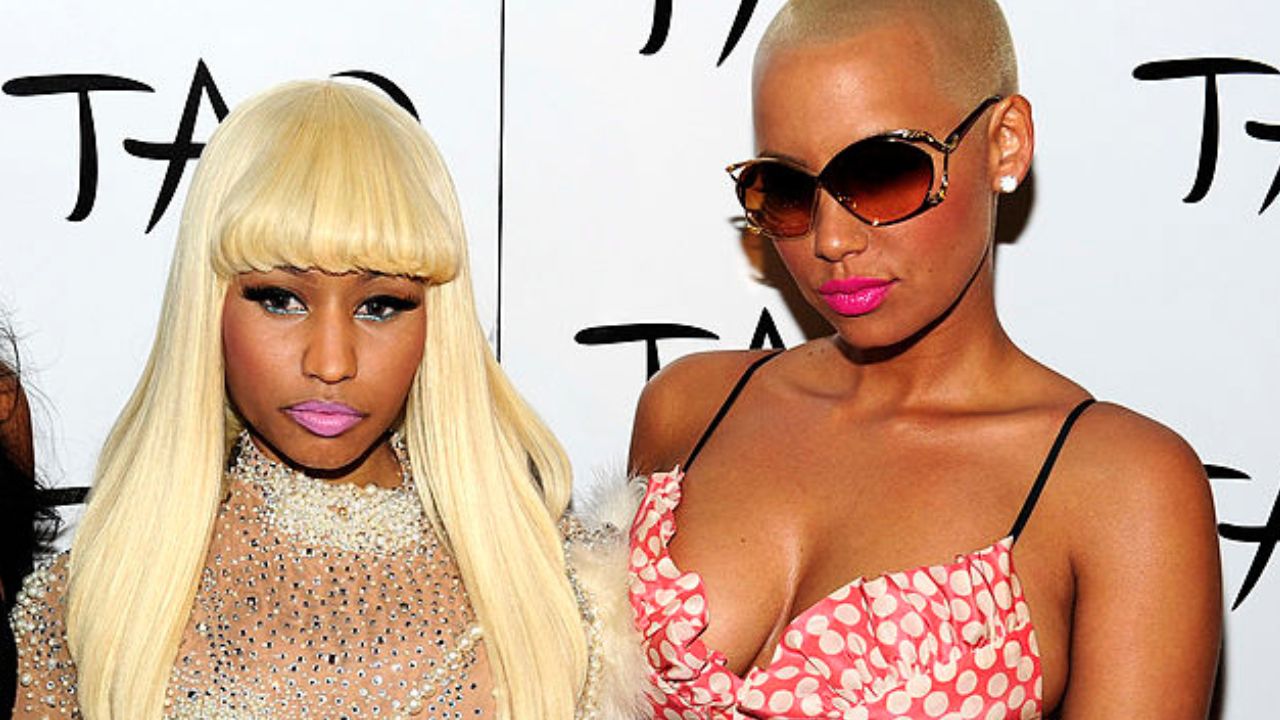
As reported by TMZ, Amber Rose defended Minaj’s right to hold and express her own political opinions, stating, “We live in a free country. She has the right to her own political opinion, just like everyone else does.” While this sentiment resonates with the principles of free speech, it doesn’t address the core concerns raised by critics – namely, the potential harm caused by aligning with organizations perceived as actively opposing LGBTQ+ rights and the responsibility of a platform like Minaj’s.
The Nuances of Free Speech and Public Responsibility
The debate surrounding Minaj’s appearance highlights a crucial tension: the right to free speech versus the responsibility that comes with a large platform. while Minaj undoubtedly has the legal right to express her views and associate with whomever she chooses, her influence extends far beyond personal expression. She has millions of followers, notably young people, who look to her for guidance and inspiration.
This raises the question: To what extent are public figures accountable for the potential impact of their political endorsements and statements? It’s a question with no easy answer.Some argue that artists should be free to express their beliefs without fear of reprisal, while others contend that they have a moral obligation to consider the consequences of their actions, especially when those actions could marginalize or harm vulnerable communities.
Examining Minaj’s Specific Comments & The LGBTQ+ Response
Minaj’s comments regarding the queer community and perceived homophobia within the Trump administration were particularly contentious. She reportedly questioned why anyone would assume individuals within the administration were homophobic,citing her own experiences with LGBTQ+ individuals. However, this argument overlooks the systemic discrimination and harmful policies enacted by the Trump administration that directly impacted the LGBTQ+ community.
The Human Rights Campaign (HRC), a leading LGBTQ+ advocacy group, has documented numerous instances of anti-LGBTQ+ actions taken during the Trump presidency, including restrictions on transgender military service, attempts to roll back non-discrimination protections, and the appointment of judges with anti-LGBTQ+ records. https://www.hrc.org/
The response from the LGBTQ+ community has been largely critical, with many expressing disappointment and concern. Critics argue that minaj’s comments minimized the real and ongoing struggles faced by LGBTQ+ individuals and legitimized a political organization with a history of anti-LGBTQ+ rhetoric. This situation underscores the importance of understanding intersectionality – recognizing how different forms of discrimination overlap and reinforce one another.


![Freebirthing: Risks, Safety & What to Consider | [Year] Guide](https://i0.wp.com/i.guim.co.uk/img/media/58e3809e948fe8b50a568bd606536877ea1e3bd2/715_0_7145_5715/master/7145.jpg?resize=150%2C100&ssl=1 "Freebirthing: Risks, Safety & What to Consider | [Year] Guide")


