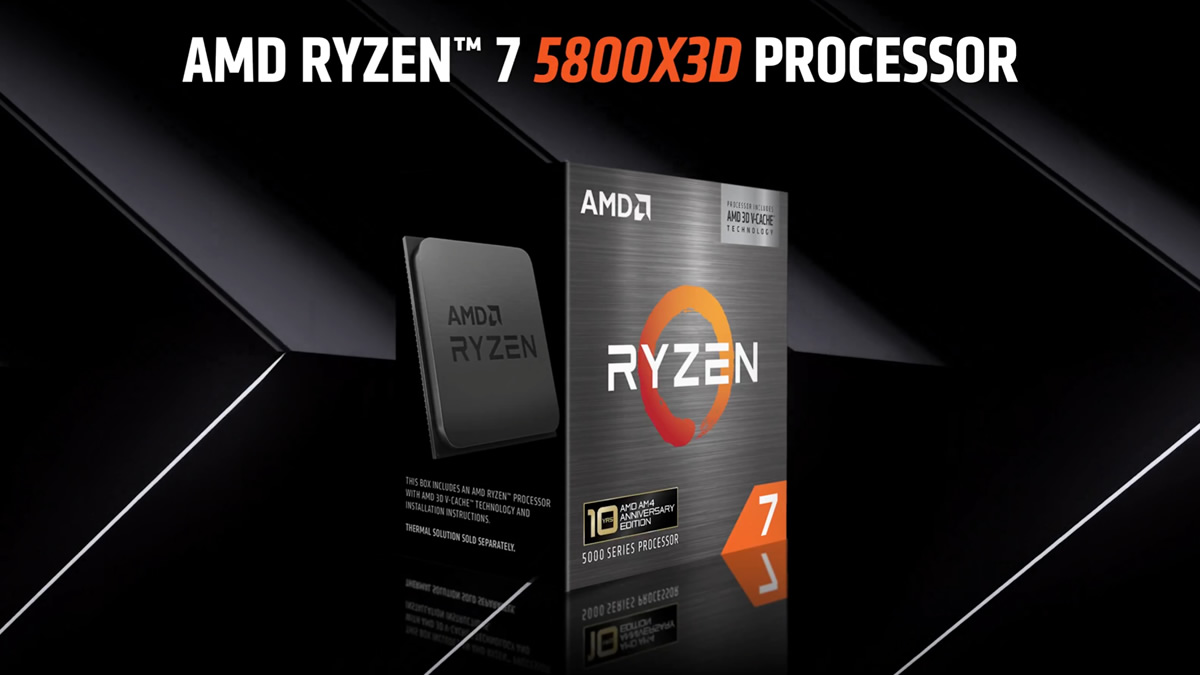
As the landscape for high-performance computing continues to evolve, Advanced Micro Devices (AMD) has reaffirmed its commitment to platform longevity, providing much-needed clarity for enthusiasts and system builders alike. During recent industry presentations, the company confirmed that its AM5 socket architecture will remain a core part of its roadmap through 2029. This decision marks a significant strategic pivot, ensuring that users who invest in the current ecosystem have a clear path for future hardware upgrades without the immediate need for complete system overhauls.
This commitment to the AM5 socket comes as the company continues to balance the demands of modern artificial intelligence workloads with the needs of the gaming and enthusiast communities. By extending the lifecycle of its hardware platforms, AMD aims to provide a more sustainable upgrade cycle, mirroring the well-regarded longevity of its previous AM4 generation. For those currently weighing their hardware options, this roadmap provides a level of stability that is often missing in the rapidly accelerating semiconductor industry.
Extending the Lifecycle: The AM5 Roadmap
The decision to support the AM5 socket through 2029 is a central pillar of the company’s current strategy to maintain user loyalty and system compatibility. According to the company’s official corporate communications, this long-term support is designed to facilitate the deployment of advanced computing solutions across both data center and consumer environments. By maintaining a consistent socket interface, AMD allows users to migrate to future generations of Ryzen processors as they become available, significantly lowering the barrier to entry for long-term platform maintenance.
This approach is particularly relevant for the “Client and Gaming” segment, which remains a vital part of the company’s operational structure alongside its data center and embedded units. By ensuring that current motherboards can host future CPU architectures, the company is effectively decoupling the motherboard upgrade cycle from the CPU upgrade cycle, a move that is likely to resonate with system builders who value long-term value and modularity.
Balancing Innovation and Accessibility
While the focus on socket longevity provides stability, the company is simultaneously pushing the boundaries of performance through its high-performance and adaptive computing solutions. The integration of its Instinct GPUs and EPYC CPUs into broader AI deployment strategies continues to be a primary driver for the company’s growth. At the same time, the continued relevance of the AM4 platform—which remains in production for specific market segments—demonstrates a commitment to serving a diverse range of computing needs, from budget-conscious builders to power users.
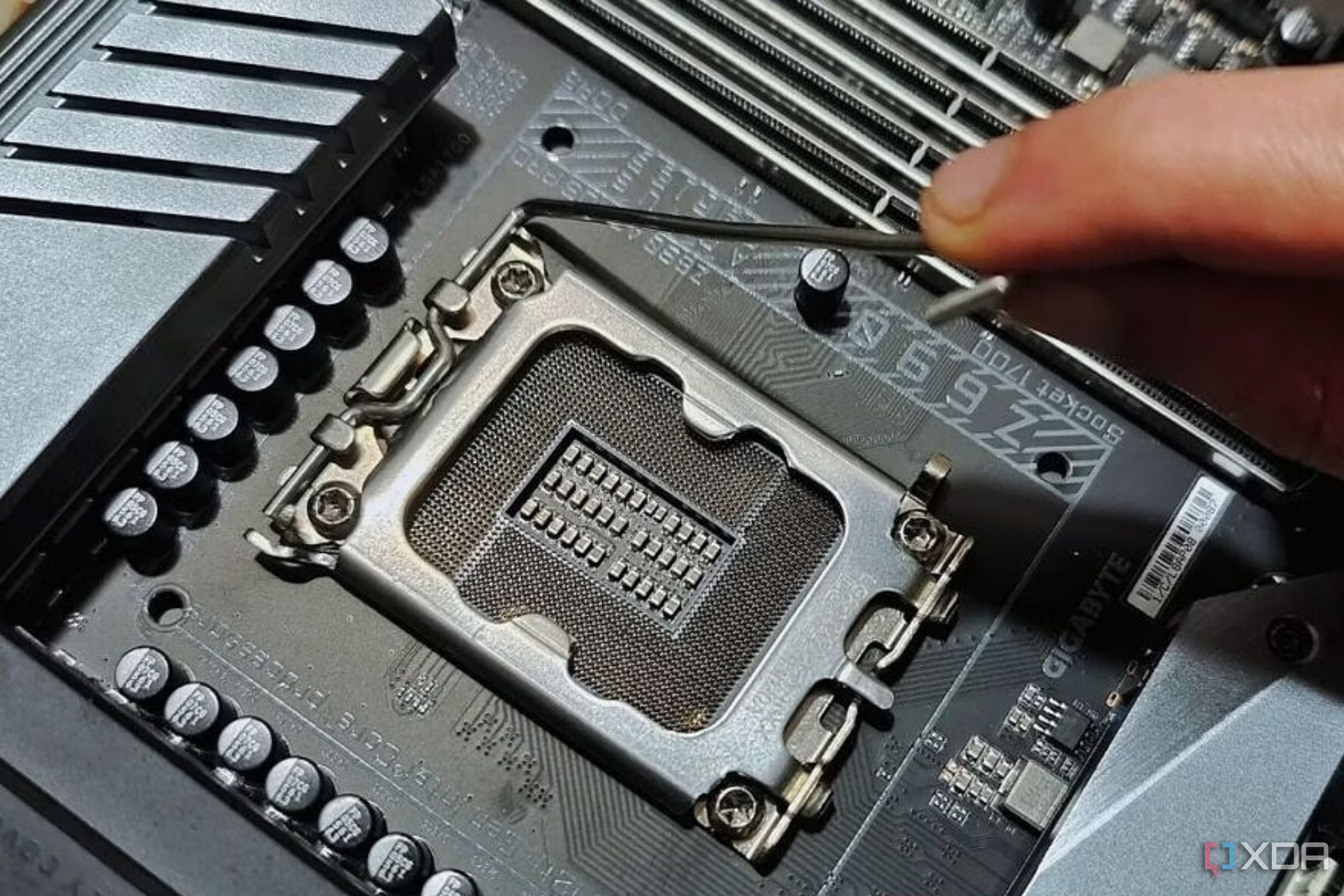
Recent market data highlights the volatility often associated with the semiconductor sector, with company stock performance reflecting broader industry trends. As noted in financial disclosures from June 2026, the company operates across three distinct segments: Data Center, Client and Gaming, and Embedded. This diversification is intended to insulate the company from fluctuations in any single market, allowing it to continue its heavy investment in research and development for both AI and traditional consumer processors.
What This Means for System Builders
For the average consumer, the extension of the AM5 support window is a practical benefit that simplifies the decision-making process. It means that purchasing a high-end motherboard today does not necessarily commit the user to a dead-end platform within the next year or two. Instead, it creates a “future-proofed” foundation that can accommodate several generations of technological improvements.
The strategy also reflects a broader industry trend where the focus is shifting from simple raw performance gains to the total cost of ownership and the ease of iterative upgrades. By aligning the consumer-facing Ryzen roadmap with the long-term support cycles typically reserved for enterprise hardware, AMD is attempting to bring a higher level of reliability to the home enthusiast market.
Looking Toward the Future
As we look toward the remainder of 2026 and beyond, the focus will likely shift to how these hardware platforms integrate with evolving software stacks and AI-driven applications. With the next major earnings reporting date estimated for August 4, 2026, investors and tech enthusiasts will be closely monitoring how these platform strategies translate into continued market share and technological leadership.
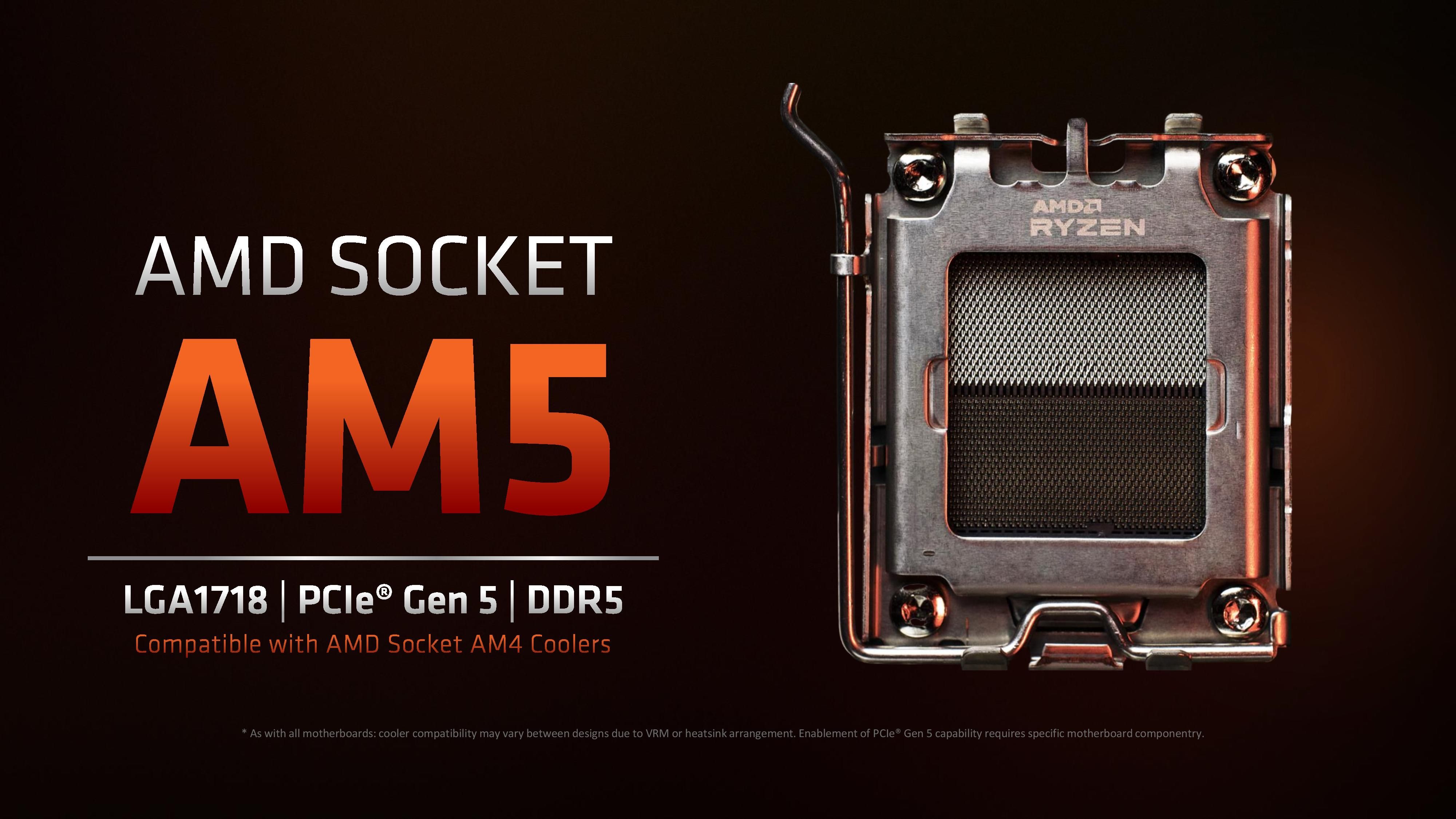
The commitment to the AM5 socket is not just a hardware detail; It’s a signal of the company’s broader philosophy regarding the relationship between the manufacturer and the user. By prioritizing stability and longevity, the company is positioning itself as a reliable partner in an increasingly complex digital world.
We invite our readers to share their thoughts on the impact of these platform decisions. Are you planning an upgrade in the near future, or does the prospect of long-term socket support change your strategy? Join the conversation in the comments section below and stay tuned to our Tech section for ongoing coverage of the latest developments in the semiconductor industry.
Related reading