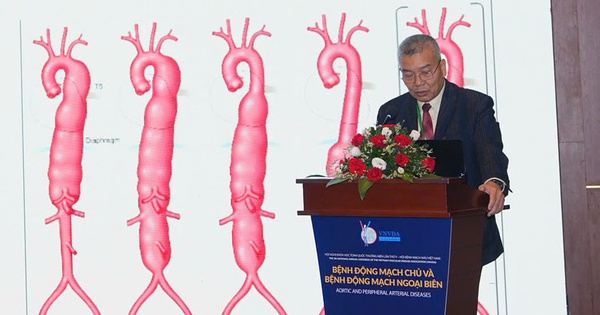
The landscape of vascular medicine is undergoing a profound transformation. For decades, the management of arterial and venous diseases was defined by significant, often invasive, surgical interventions. Today, that paradigm is shifting toward a future defined by precision, minimal invasiveness, and the integration of highly sophisticated digital technologies. As global populations age and the prevalence of cardiovascular-related conditions rises, the development of advanced vascular disease treatment techniques has moved from the periphery of medical innovation to the very center of clinical necessity.
This evolution is characterized by a move away from “open” procedures—which often required large incisions and lengthy recovery periods—toward endovascular interventions and robotic-assisted surgeries. These advancements are not merely about making surgery easier; they are about improving patient outcomes, reducing hospital stays, and providing more targeted, effective care for complex vascular pathologies. From the management of abdominal aortic aneurysms to the treatment of chronic venous insufficiency, the tools available to clinicians are becoming more precise, data-driven, and personalized.
Understanding these developments requires looking at the intersection of mechanical engineering, pharmacology, and computational intelligence. As we delve into the current state of the field, it becomes clear that the “scalpel-first” approach is being supplemented, and in many cases replaced, by a “catheter-first” and “data-first” methodology. This article explores the key pillars of this revolution: the rise of endovascular mastery, the integration of artificial intelligence, the precision of robotics, and the new era of diagnostic imaging.
The Endovascular Revolution: Precision Through Minimal Invasion
Perhaps the most significant shift in vascular care has been the maturation of endovascular interventions. Endovascular surgery allows clinicians to treat diseased vessels through small puncture sites, typically in the groin, using specialized catheters and wires to navigate the circulatory system. This approach has fundamentally changed the management of peripheral artery disease (PAD) and large-vessel pathologies.
A primary example of this shift is seen in the treatment of abdominal aortic aneurysms (AAA). Historically, repairing an aneurysm required a major open surgery to replace the weakened section of the aorta with a synthetic graft. While effective, the physiological toll on the patient was immense. The development of Endovascular Aneurysm Repair (EVAR) has revolutionized this process. In EVAR, a stent-graft is inserted through the femoral arteries and positioned within the aneurysm, effectively shielding the weakened vessel wall from blood pressure and preventing rupture. This technique has significantly reduced perioperative mortality and shortened recovery times for many patients.

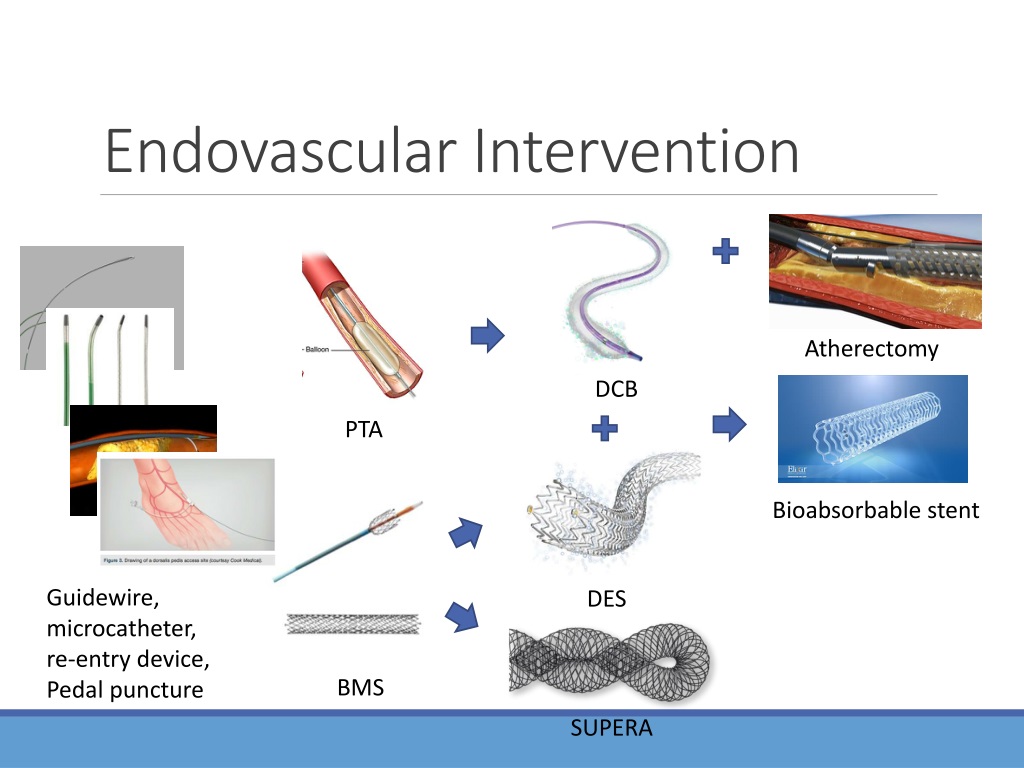
Beyond aneurysm repair, the management of atherosclerotic lesions has been enhanced by the development of specialized hardware. Drug-coated balloons (DCB) and drug-eluting stents have become vital tools in treating arterial stenosis. These devices do more than just mechanically widen a vessel; they deliver medication—often antiproliferative agents—directly to the vessel wall to prevent the regrowth of scar tissue (restenosis), which was a common complication of earlier angioplasty techniques. The ability to combine mechanical expansion with localized pharmacology represents a significant leap in long-term vessel patency.
the treatment of venous diseases has seen a similar transition. Traditional “vein stripping” surgeries, which involved the physical removal of diseased veins, are increasingly being replaced by endovenous thermal therapies. Techniques such as endovenous laser ablation (EVLA) and radiofrequency ablation (RFA) use thermal energy to seal off diseased veins from the inside. These minimally invasive methods offer much higher patient satisfaction due to reduced pain and the ability to return to normal activities almost immediately.
The Integration of Artificial Intelligence and Predictive Analytics
While mechanical tools have improved, the “intelligence” behind vascular care is also advancing. Artificial intelligence (AI) and machine learning are beginning to play a critical role in both the diagnosis and the long-term management of vascular disease. The sheer volume of data generated by modern medical imaging—from CT angiograms to high-resolution ultrasounds—is often too vast for human clinicians to analyze with perfect consistency.
AI algorithms are now being trained to perform automated segmentation of vascular structures. This means that software can instantly map the exact geometry of a patient’s arterial tree, measuring the precise diameter of an aneurysm or the exact percentage of a stenosis with a level of speed and accuracy that complements human expertise. What we have is particularly crucial in pre-operative planning, where understanding the complex, three-dimensional architecture of a patient’s vasculature is essential for selecting the correct size of a stent or graft.
AI is moving into the realm of predictive analytics. By analyzing longitudinal data—including patient history, imaging trends, and hemodynamic patterns—machine learning models are being developed to predict the risk of vessel rupture or the likelihood of future cardiovascular events. Instead of reacting to a crisis, such as a ruptured aneurysm, clinicians are moving toward a proactive model where they can intervene when the data suggests a high probability of future complications. This shift from reactive to predictive medicine is perhaps the most significant impact of digital health on the field.
Robotic-Assisted Surgery and the Future of Navigation
The complexity of navigating the human vascular system—a winding, dynamic network of vessels—presents a significant challenge for even the most skilled surgeons. This is where robotic-assisted technology is making its mark. Robotic platforms are not intended to replace the surgeon but to act as a high-precision extension of their capabilities.
In endovascular procedures, robotic systems can provide enhanced stability and control over catheter placement. A surgeon operating a robotic console can manipulate catheters with micro-movements that are far more precise than what is possible with manual hand-held tools. This precision is vital when navigating tortuous (highly curved) vessels or when working in extremely delicate areas, such as the cerebral vasculature during stroke interventions. The ability to reduce “hand tremor” and provide steady, controlled navigation minimizes the risk of vessel perforation or dissection.
the rise of tele-surgery and remote-operated robotic systems holds the potential to democratize access to specialized vascular care. In the future, a highly trained vascular specialist located in a major medical center could potentially perform or assist in complex endovascular procedures in a rural or underserved hospital using a robotic interface. While this technology is still in various stages of refinement and regulatory scrutiny, the trajectory of the field points toward a highly connected, digitally-enabled surgical environment.
Revolutionizing Diagnostics: High-Resolution Imaging and Hemodynamics
Effective treatment is impossible without accurate diagnosis. The evolution of vascular care is inextricably linked to the advancements in medical imaging. We have moved far beyond simple X-rays into an era of multi-planar, high-resolution, and functional imaging that provides a comprehensive view of both anatomy and blood flow.
Computed Tomography Angiography (CTA) and Magnetic Resonance Angiography (MRA) have become the gold standards for visualizing the vascular system. These technologies allow for non-invasive, detailed mapping of blood vessels, enabling clinicians to identify plaques, aneurysms, and stenoses with remarkable clarity. When combined with 3D reconstruction software, these images can be transformed into interactive models, allowing surgeons to “practice” a procedure in a virtual environment before ever entering the operating room.
the focus is increasingly shifting toward understanding hemodynamics—the physics of blood flow. We see not enough to know that a vessel is narrow; clinicians need to know how that narrowing affects the pressure and velocity of blood flow. Advanced Doppler ultrasound and 4D flow MRI are providing real-time data on how blood moves through complex lesions. This functional information is critical for determining whether a structural abnormality is actually causing clinical symptoms or if it requires intervention, thereby helping to avoid unnecessary procedures.
Key Takeaways in Modern Vascular Care
- Shift to Minimally Invasive: Endovascular interventions (stents, balloons, and grafts) are replacing large-scale open surgeries for many conditions.
- Pharmacological Integration: Drug-coated technologies are being used to prevent the recurrence of arterial blockages.
- AI-Driven Precision: Artificial intelligence is enhancing diagnostic accuracy and providing predictive insights into patient risk.
- Robotic Assistance: Robotic platforms are increasing the precision of catheter navigation and reducing procedural risks.
- Functional Imaging: Modern diagnostics focus not just on anatomy, but on the dynamic physics of blood flow (hemodynamics).
Looking Ahead: Bio-materials and Personalized Medicine
As we look toward the next decade, the frontier of vascular medicine lies in the realm of bio-materials and personalized medicine. We are seeing the emergence of “smart” materials—stents and scaffolds that are not only biocompatible but are designed to interact with the body’s own healing processes. Research is ongoing into bioresorbable scaffolds that provide temporary support to a vessel and then gradually dissolve once the vessel has healed, leaving no permanent foreign object behind.

the concept of “personalized vascular medicine” is gaining traction. This involves tailoring treatments not just to the disease, but to the specific biological and genetic profile of the individual patient. By combining genomic data with advanced imaging and AI-driven modeling, clinicians will eventually be able to predict exactly how a specific patient will respond to a particular stent or medication, ensuring the highest possible efficacy with the lowest possible risk of side effects.
The journey from the heavy-handed surgeries of the past to the high-tech, data-driven interventions of today is a testament to the relentless pace of medical innovation. While challenges remain—particularly regarding the cost and accessibility of these advanced technologies—the direction of travel is clear: vascular care is becoming more precise, more predictive, and significantly more patient-centric.
Next Milestone: The medical community will continue to evaluate these evolving standards at upcoming major international congresses, such as the annual meetings of the Society for Vascular Surgery and the European Society for Vascular Surgery, where new clinical trial data on endovascular devices and AI integration will be presented.
What are your thoughts on the role of AI in surgical precision? We invite our readers to share their perspectives and questions in the comments below.
Related reading