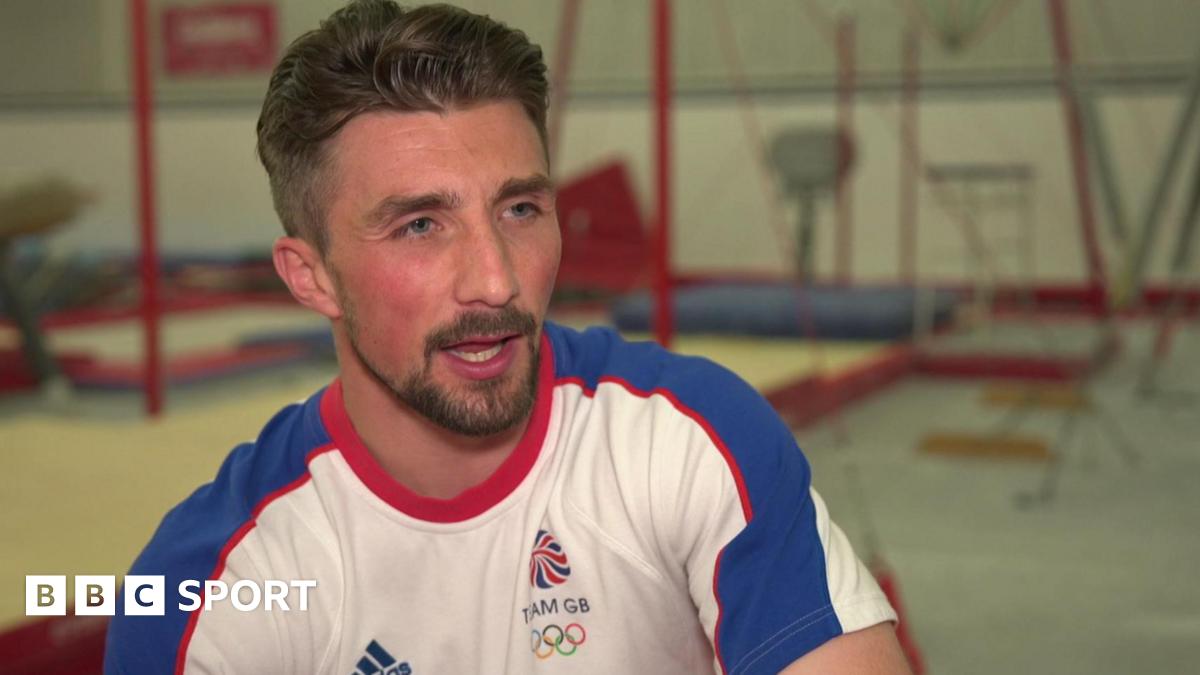
For elite athletes, the transition from the glare of the Olympic stage to a quieter life is rarely a straight line. Often, it is a complex journey of physical recovery, mental recalibration, and the occasional, unexpected return to the apparatus. Sam Oldham, the British gymnast whose career has been defined by both spectacular highs and challenging injury setbacks, has recently navigated this path, finding himself back in the gym for a unique, one-off competitive appearance.
The decision to come out of retirement, even for a single weekend, represents a “full circle” moment for the former Olympian. Oldham, who was a key member of the historic British men’s gymnastics team that secured a bronze medal at the London 2012 Olympic Games, has long been a fixture in the sport. His return to competition serves not just as a test of his enduring skill, but as a testament to the deep-seated passion that keeps athletes connected to their craft long after they have officially stepped away from the international elite circuit.
A Legacy Forged in London and Beyond
To understand the significance of Oldham’s return, one must look back at the foundation of his career. At the 2012 London Games, he stood alongside teammates Louis Smith, Kristian Thomas, Max Whitlock, and Daniel Purvis on the podium, claiming a bronze medal in the team event—a landmark achievement for British gymnastics at the time, as noted by the British Olympic Association. That performance helped catalyze a golden era for the sport in the United Kingdom.

Oldham’s journey was far from easy. Throughout his tenure as an elite gymnast, he faced significant physical hurdles, including a ruptured ankle ligament that forced him to withdraw from the 2014 Commonwealth Games in Glasgow. His resilience through these injuries became a hallmark of his public persona, often discussed in his roles as a commentator and advocate for athlete welfare. The “full circle” narrative he describes is rooted in returning to the sport on his own terms, stripped of the immense pressure that accompanies the Olympic qualification cycle.
The Reality of the Comeback
Coming out of retirement is a decision that requires a careful balancing act between the physical demands of high-level gymnastics and the reality of a body that has spent years absorbing the impact of world-class training. Gymnastics is a sport that demands absolute precision, core strength, and constant repetition. Even for an athlete of Oldham’s caliber, the gap between retirement and competition requires a rigorous, albeit short-term, training block to ensure safety and performance readiness.
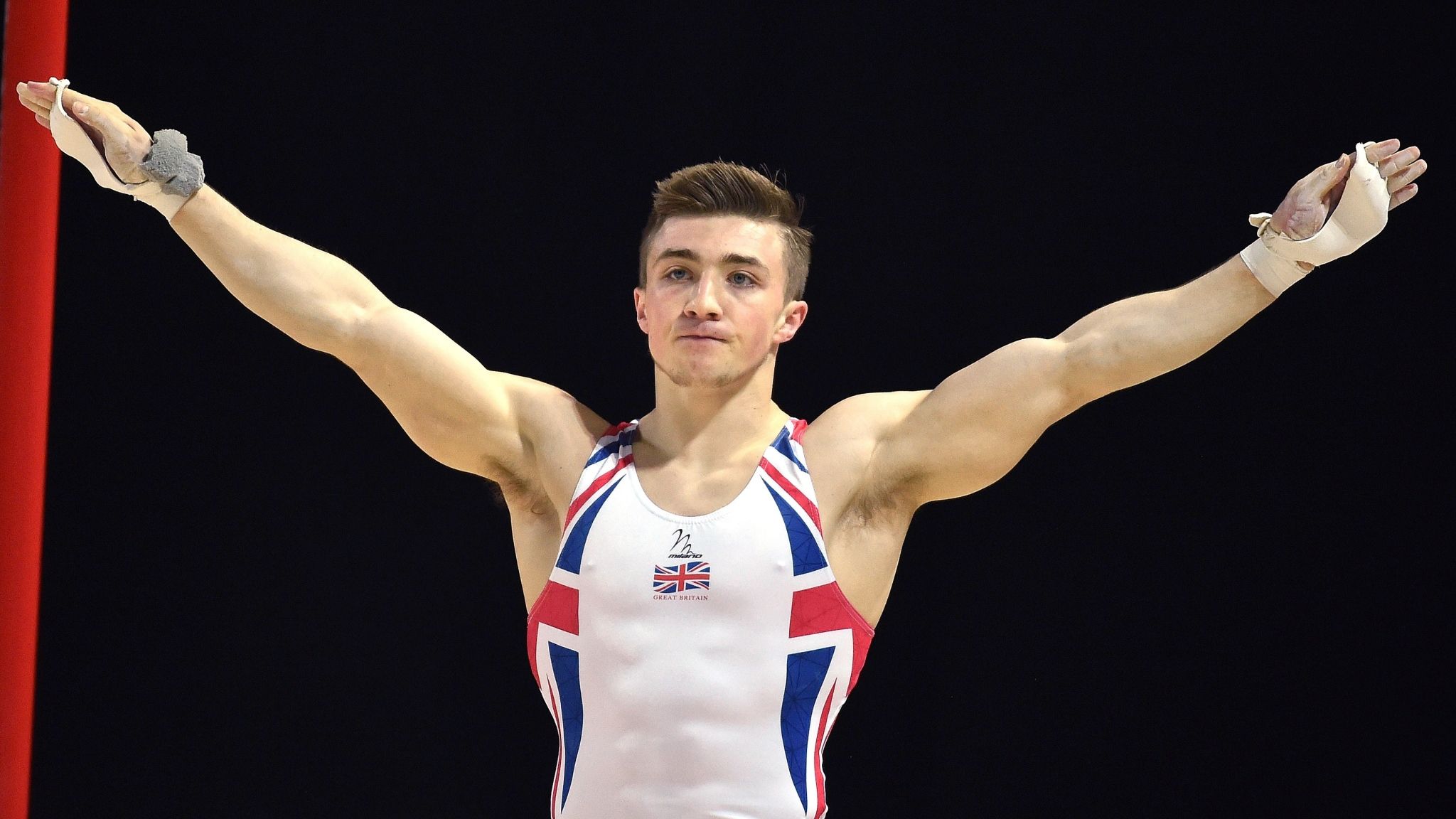
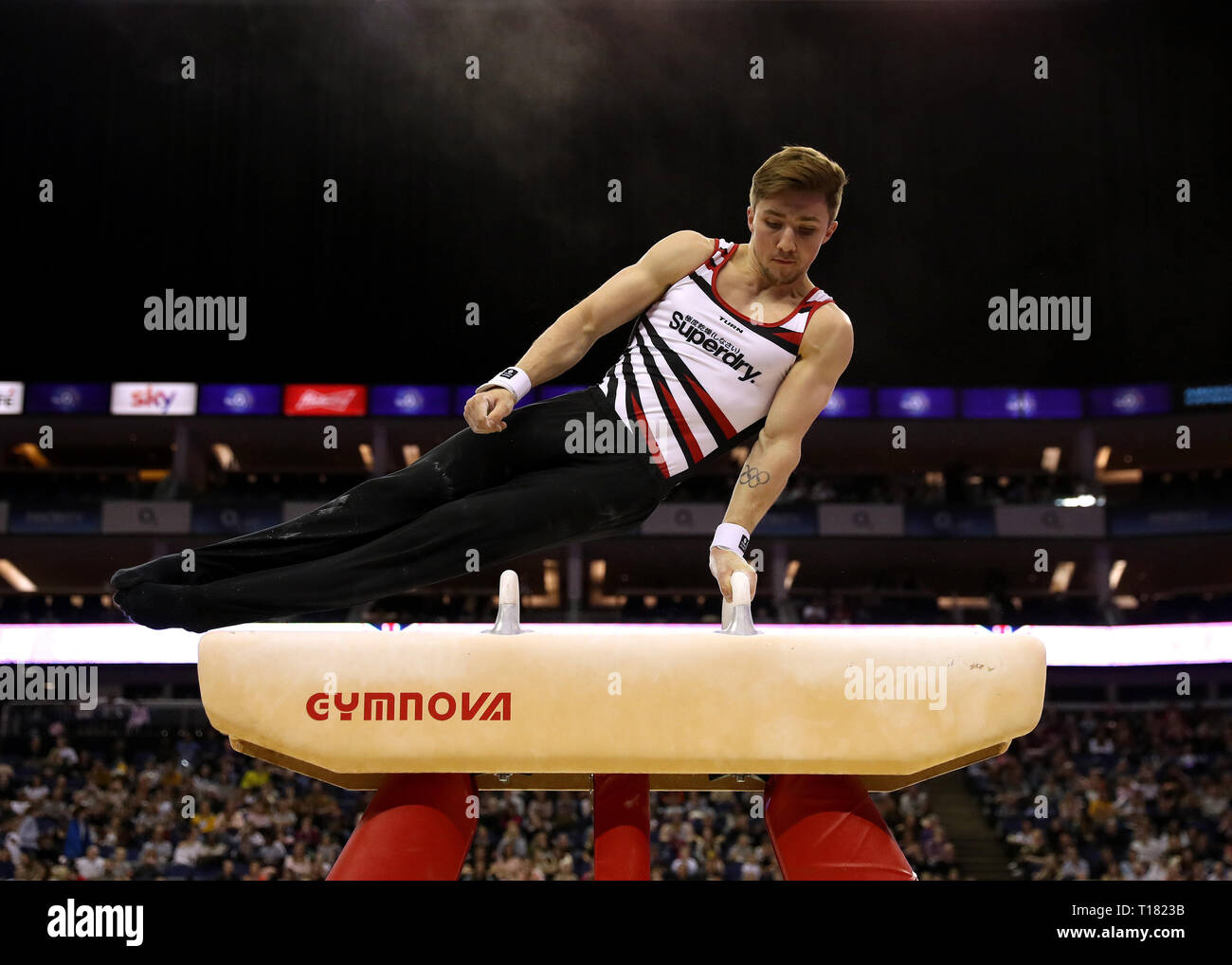
For many former Olympians, the move back to the floor or the pommel horse is driven by a desire to reconnect with the community and the sheer joy of movement, rather than the pursuit of new medals or rankings. This temporary return highlights the shift in focus that occurs when an athlete transitions from a professional career to a life where they choose their own challenges. It is a reminder that for those who reach the pinnacle of their sport, the gym is often more than just a place of work—it is a home.
Why It Matters
Oldham’s story resonates because it challenges the traditional “all-or-nothing” narrative of retirement. In many professional sports, the end of a career is framed as a permanent departure. However, the rise of exhibition events and specialized competitions has allowed athletes to maintain a relationship with their disciplines. By choosing to compete for just one weekend, Oldham is demonstrating that an athlete’s identity is not solely tied to their last major competition.
This approach provides a blueprint for how retired athletes can maintain their health and competitive spirit without the necessity of a full-time, high-stakes commitment. It also keeps the sport in the public eye, encouraging younger generations to see the longevity that is possible when one listens to their own physical and mental boundaries.
Key Takeaways for the Gymnastics Community
- Redefining Retirement: Retirement from elite, international competition does not have to mean an absolute end to competitive activity.
- Physical Maintenance: Returning to the sport requires a disciplined approach to conditioning, especially after significant time away from the intensity of the Olympic training cycle.
- The Joy of Sport: Athletes often return to their roots to rediscover the intrinsic motivation that first drew them to the sport, free from the external pressures of national team requirements.
- Legacy Impact: Former Olympians continue to influence the sport by engaging with it in new, accessible formats that inspire fans and emerging talent alike.
As the gymnastics world continues to evolve, the stories of athletes like Sam Oldham serve as a reminder of the personal nature of the sporting journey. Whether he decides to step back onto the competition floor again in the future remains a personal choice, but for now, the “full circle” is complete. The focus for fans and observers now turns to the upcoming gymnastics schedule, with updates on major events available through official channels such as the International Gymnastics Federation (FIG).
We invite you to share your thoughts on the evolution of athlete retirements and the role of comeback performances in modern sports. Join the conversation below and stay tuned to World Today Journal for further updates on the gymnastics circuit.
Related reading