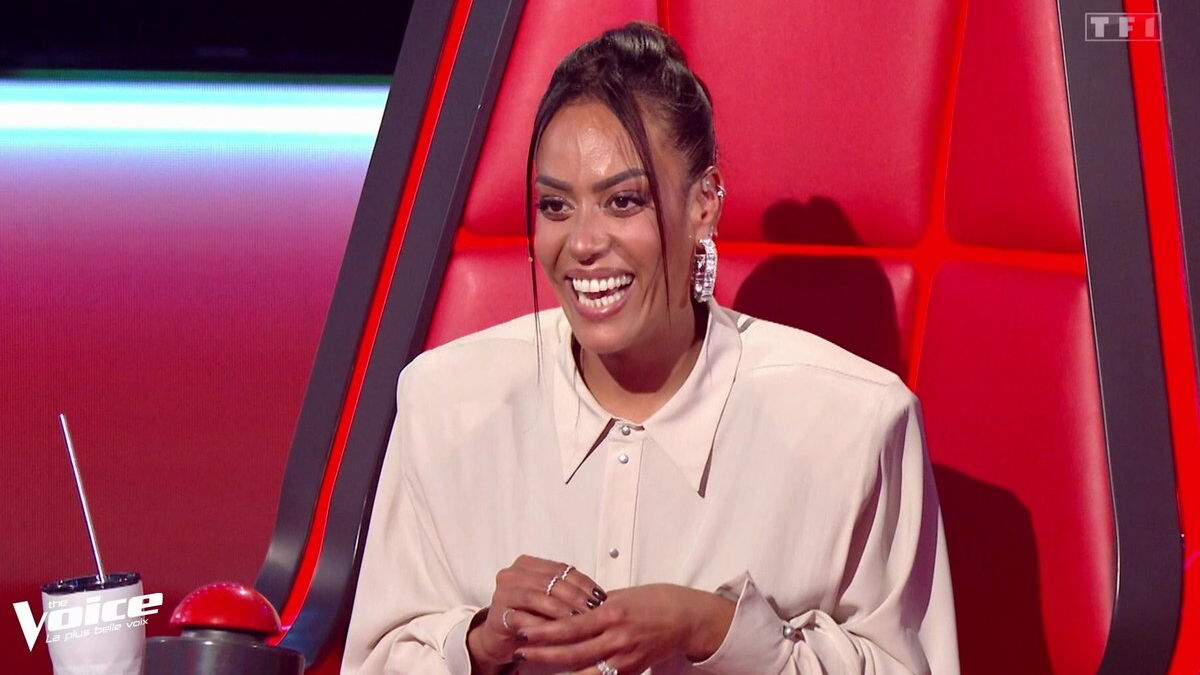
In the evolving landscape of digital interaction, high-profile public figures are increasingly reassessing their relationship with social media platforms. French singer and television personality Amel Bent has been a prominent example of this trend, having previously opted to step away from X, the platform formerly known as Twitter. This decision, which reflects a broader movement among celebrities to prioritize mental health and personal boundaries, highlights the growing tension between maintaining a public persona and protecting one’s well-being against the pressures of online discourse.
For many artists, social media serves as a double-edged sword—a vital tool for connecting with fans and promoting creative projects, yet simultaneously a space where criticism can quickly escalate into harassment. Amel Bent’s departure from the platform underscored the challenges faced by public figures who navigate the intense scrutiny that accompanies high-profile roles, such as her tenure as a coach on the popular television program The Voice France.
The Evolution of Celebrity Digital Engagement
The decision to exit a major social media platform is rarely taken lightly, particularly for those whose careers rely on public visibility. In the case of Amel Bent, the shift away from X was framed as a necessary measure to preserve her personal equilibrium. By stepping back from the platform, she joined a growing cohort of public figures who have chosen to limit their digital footprint to foster a healthier environment for themselves and their families.
This trend toward digital minimalism among celebrities is often linked to the rise of online toxicity and the difficulty of moderating interactions on large-scale platforms. According to research on digital well-being, public figures are disproportionately targeted by negative sentiment, leading many to seek refuge in more curated or private communication channels. For a performer of Bent’s stature, the choice to prioritize well-being over continuous digital engagement represents a conscious effort to reclaim control over her personal narrative.
Navigating Public Scrutiny and Professional Roles
Amel Bent’s career, marked by her success as a singer and her significant role on The Voice, has placed her in the constant spotlight. Participating in a show of such magnitude inherently invites public feedback, which can range from enthusiastic support to intense, unsolicited criticism. When the line between constructive feedback and personal harassment blurs, the impact on a public figure’s mental health can be profound.
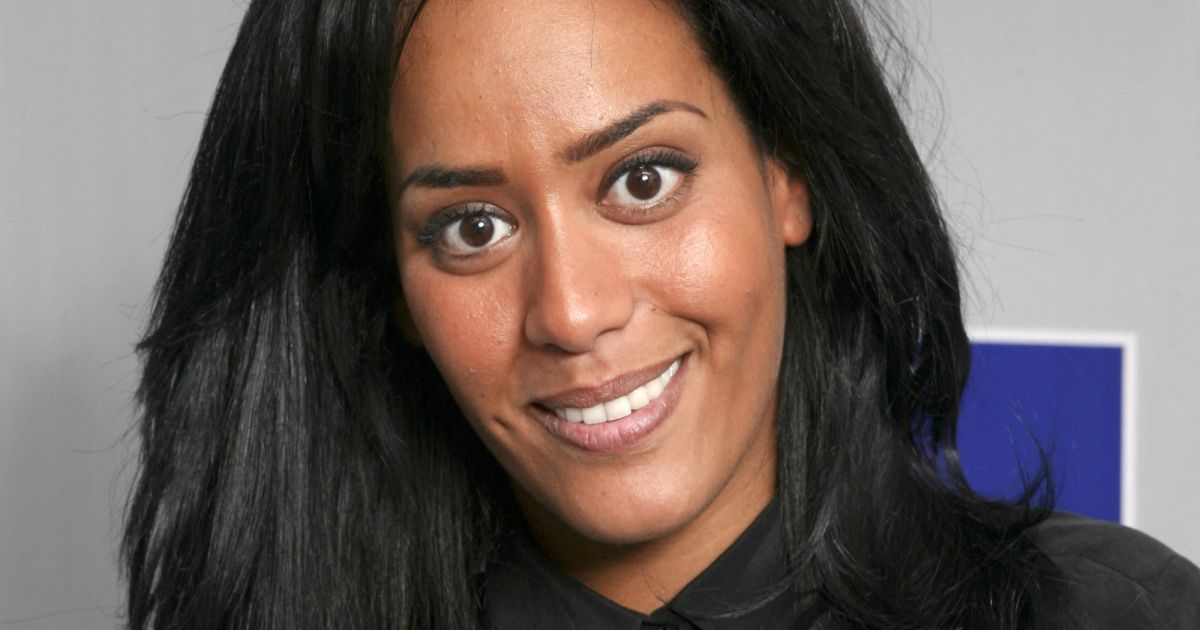
The decision to leave platforms like X often functions as a boundary-setting mechanism. By removing herself from the immediate reach of unfiltered commentary, Bent and other artists are able to refocus their energy on their craft and their professional commitments. This shift does not necessarily signal a withdrawal from public life, but rather a strategic change in how they choose to interact with their audience, favoring platforms where they can maintain more direct and positive engagement.
The Impact of Online Environments on Mental Health
The psychological toll of social media is a topic of increasing concern in the digital age. Experts in media psychology have noted that the constant influx of notifications and the unpredictable nature of viral criticism can trigger significant stress responses. For individuals with a high degree of public visibility, these stressors are amplified, as the feedback loop is both constant, and global.
Addressing these challenges involves a multi-faceted approach, including:
- Setting clear boundaries for digital engagement.
- Prioritizing offline interactions and personal time.
- Utilizing professional support to manage the pressures of a public career.
- Selecting communication channels that prioritize safety and community over raw reach.
Looking Ahead: The Future of Fan-Artist Interaction
As we move further into 2026, the way artists interact with their fan bases continues to evolve. While social media remains a powerful engine for discovery and promotion, the emphasis is shifting toward quality of interaction rather than quantity. Fans are increasingly showing respect for the boundaries set by their favorite artists, recognizing that a sustainable career requires a foundation of personal health and stability.

The conversation surrounding digital safety and the responsibilities of platforms to curb harassment remains ongoing. For public figures like Amel Bent, the path forward involves balancing their professional obligations with the necessity of maintaining a private life. As digital platforms continue to update their safety features and moderation policies, the hope is that these spaces will become less hostile, eventually allowing artists to return to them with greater confidence and comfort.
We invite our readers to share their thoughts on this shift. How do you see the relationship between public figures and social media evolving in the coming years? Join the conversation in the comments section below.
Related reading