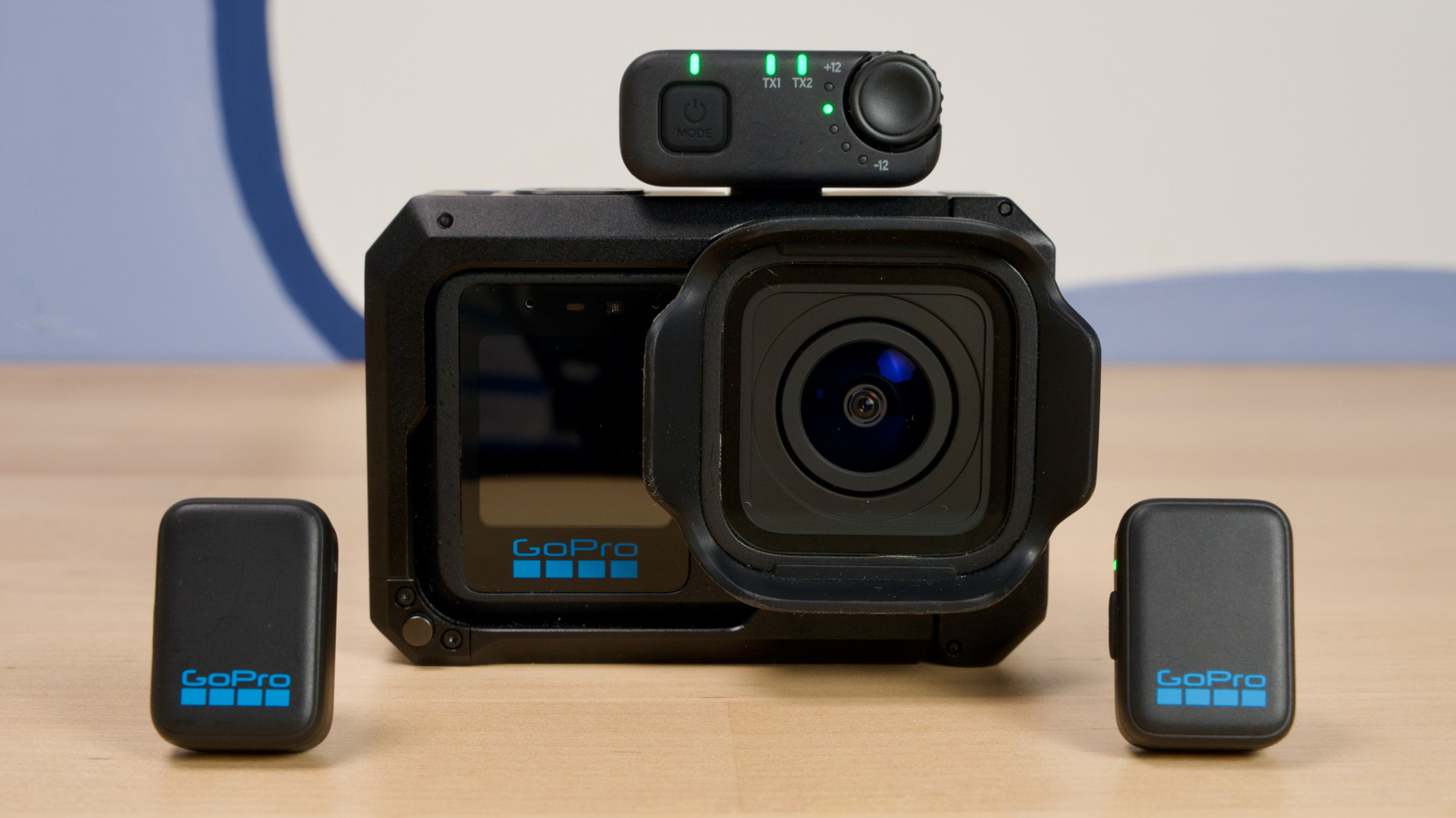
GoP-ro has expanded its audio ecosystem with the release of the GoPro Wireless Mic System, addressing a long-standing demand from creators for native wireless audio capture that integrates seamlessly with its flagship action cameras. Designed to capture crisp vocals and reduce background noise during high-movement activities, the hardware brings notable convenience to vloggers and adventure filmmakers. However, early testing and user reports indicate that while the system nails the basics of audio clarity and form factor, it also carries a set of frustrating firmware and connectivity quirks that require careful navigation.
As creators increasingly demand streamlined workflows that eliminate bulky external recorders, the introduction of a brand-specific wireless microphone places GoPro directly in competition with established audio giants like DJI and Rode. According to product specifications released by GoPro, the system pairs directly with compatible cameras without requiring clunky cable setups or cumbersome receiver bricks mounted to cold shoes. Yet, field tests from tech reviewers highlight that initial setup hurdles and occasional dropouts in heavy interference zones can disrupt production flow.
For content creators evaluating whether to invest in the ecosystem, understanding both the hardware strengths and software limitations is essential before taking it into the field. Here is a closer look at what the GoPro Wireless Mic System delivers, where it stumbles, and how it performs in real-world testing.
Design, Setup, and Everyday Usability
The core appeal of the GoPro Wireless Mic System lies in its compact physical footprint. The transmitter is lightweight enough to clip securely onto a jacket collar or shirt without sagging fabric, a common pain point with heavier third-party microphones. Built with outdoor shooting in mind, the unit incorporates physical controls that allow users to adjust gain levels or mute audio quickly without diving into deep menu structures.
Pairing the microphone to a compatible camera is designed to be a straightforward process, leveraging proprietary pairing protocols that bypass traditional frequency scanning. When operating in optimal line-of-sight conditions, the connection remains stable, delivering rich vocal pickup that significantly outperforms built-in camera microphones. Wind reduction features also perform admirably, cutting down low-frequency rumble when shooting near coastal environments or mountain ridges.
Despite these ergonomic wins, the system encounters friction during multi-device workflows. Users switching between different camera bodies or attempting to connect the receiver to mobile devices frequently report pairing drops. Furthermore, the companion software interface occasionally requires manual reboots to recognize the hardware, slowing down fast-paced field shoots where every second counts.
Audio Performance Versus the Competition
When evaluating audio fidelity, the GoPro Wireless Mic System captures clear mid-range frequencies, ensuring spoken dialogue remains intelligible even in chaotic environments. Ambient sound suppression handles urban traffic and mild wind noise effectively, reducing the need for extensive post-production cleanup in editing suites like Adobe Premiere or DaVinci Resolve.
However, extreme acoustic environments push the internal processing to its limits. In echo-heavy indoor spaces or areas saturated with dense 2.4GHz wireless interference, the transmission can introduce minor artifacts or digital clipping if the input gain is pushed too high. Competitors such as the DJI Mic 2 and Rode Wireless PRO offer more robust internal 32-bit float recording capabilities as a safety net against blown-out audio, a feature notably absent from GoPro’s current implementation.
For standard vlogging, outdoor sports, and travel documentation, the audio quality easily satisfies standard web broadcasting requirements and YouTube delivery specifications. Professional filmmakers requiring pristine, uncompressed backup tracks, however, may find the lack of redundant safety-track recording a limiting factor during high-stakes documentary work.
Firmware Hurdles and the Path Forward
Many of the frustrations reported with the GoPro Wireless Mic System stem from software maturity rather than hardware limitations. Early adopters have pointed out occasional syncing delays between audio tracks and video frames when exporting footage directly from the camera app, necessitating manual alignment in post-production timelines.
GoPro routinely issues firmware updates to address bugs and optimize wireless stability across its hardware lineup. Creators experiencing connectivity drops or pairing anomalies are advised to check the official GoPro support portal for the latest software patches and installation guidelines.
As the company continues to refine its software ecosystem, addressing these firmware inconsistencies will determine whether the wireless mic transitions from a niche accessory into an indispensable tool for action videographers. Users planning upcoming shoots should monitor official software changelogs and test their gear thoroughly in controlled environments before relying on it for critical commercial projects.
Keep reading