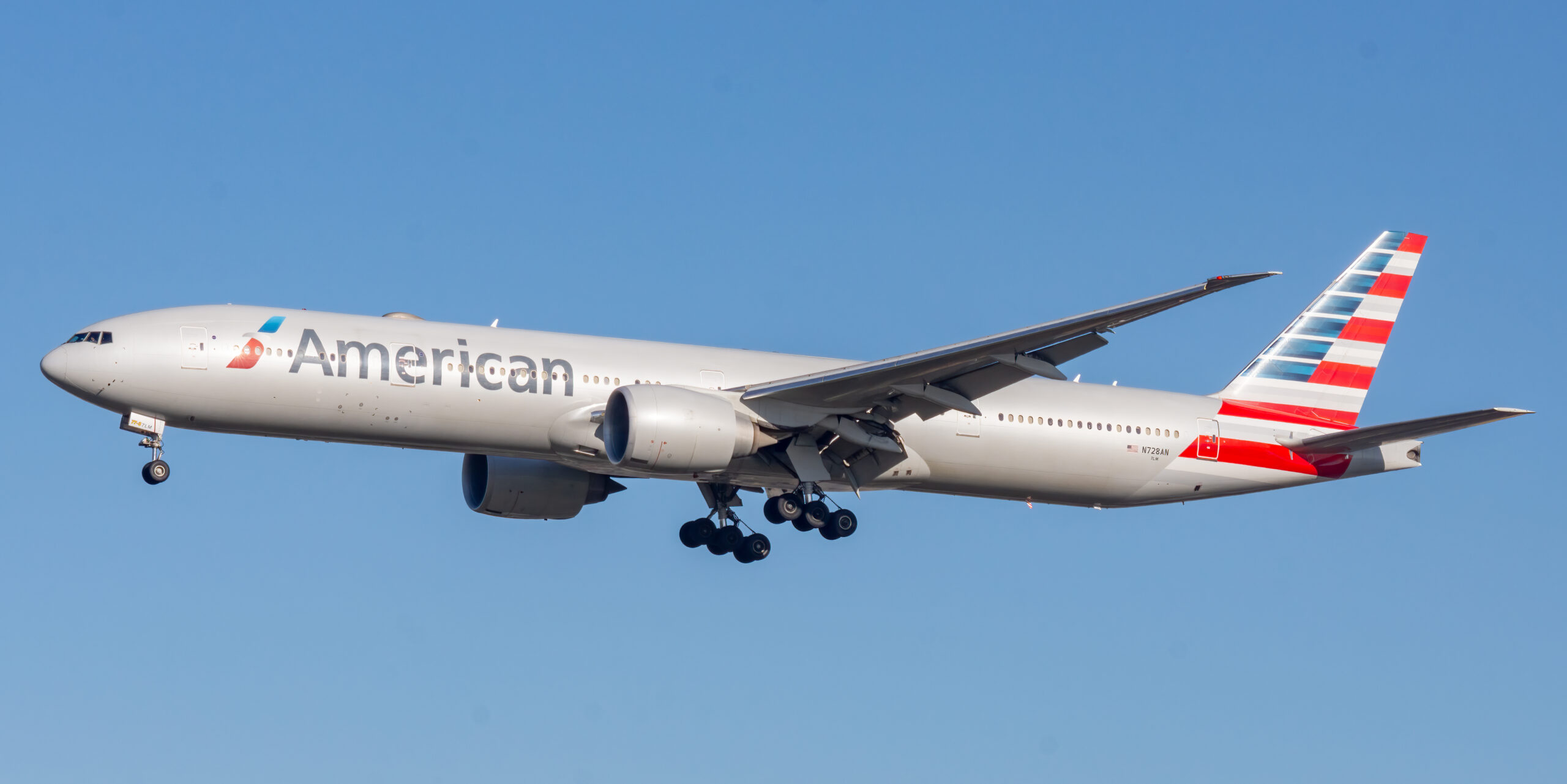
American Airlines has resumed commercial flights between Miami and Caracas after a six-year hiatus, marking a significant development in U.S.-Venezuela air connectivity. The route, which began ticket sales in late April 2024 for travel starting April 30, has quickly drawn attention due to sharply elevated fares, with some one-way economy tickets exceeding $1,500 during peak demand periods. This revival comes amid ongoing diplomatic negotiations between the United States and Venezuela, including discussions around migration, energy cooperation, and consular services, all of which have influenced the gradual normalization of bilateral ties.
The reintroduction of the Miami-Caracas route reflects both pent-up demand from the Venezuelan diaspora in South Florida and broader efforts to restore routine air links severed during years of political strain. Venezuelan migrants in the U.S., particularly those with temporary protected status or asylum claims, have long cited limited flight options as a barrier to visiting family or managing legal and administrative matters in Venezuela. American Airlines’ decision to restart service aligns with a phased approach by U.S. Carriers to test market viability while adhering to U.S. Department of Transportation regulations governing flights to countries with strained diplomatic relations.
According to data from the U.S. Bureau of Transportation Statistics, direct passenger flights between the United States and Venezuela had declined to near zero by 2019, following the suspension of operations by major U.S. Airlines amid safety concerns and deteriorating bilateral relations. The resumption of service by American Airlines represents one of the first major commercial airline re-engagements since that period. The airline has not disclosed exact load factors for the new route, but industry analysts note that initial booking trends suggest strong demand, particularly among travelers visiting relatives or handling property and legal affairs.
Fares on the Miami-Caracas route have fluctuated significantly since launch, with economy class tickets observed ranging from approximately $600 to over $1,500 for one-way travel, depending on travel dates, booking window, and demand surges. These prices are notably higher than historical averages for similar Caribbean routes and reflect a combination of limited competition, operational complexities, and heightened consumer willingness to pay for access to Venezuela. American Airlines currently operates the route using Boeing 737-800 aircraft, with flights departing from Miami International Airport (MIA) and arriving at Simón Bolívar International Airport (CCS) in Maiquetía, near Caracas.
The airline has stated that schedules are subject to change based on operational reviews and government approvals, emphasizing that the service remains under ongoing evaluation. Flights are currently offered three times per week, though American Airlines has not ruled out increasing frequency if demand sustains and regulatory clearances permit. The carrier continues to coordinate with U.S. Customs and Border Protection, the Transportation Security Administration, and Venezuelan aviation authorities to ensure compliance with security and documentation requirements.
Context Behind the Route’s Suspension and Return
American Airlines last operated scheduled flights to Caracas in 2018, gradually reducing service amid escalating U.S. Sanctions on Venezuela’s state-owned oil company, PdVSA, and growing concerns over airport security and consular access. By early 2019, all major U.S. Carriers had suspended flights to Venezuela, citing Executive Order 13884, which blocked PdVSA assets and complicated financial transactions for airlines operating in the country. The U.S. Department of State also issued travel advisories warning of crime, civil unrest, and arbitrary detentions, further discouraging non-essential travel.
The decision to restore service in 2024 follows a series of confidence-building measures between the two governments, including the release of detained Americans, discussions on migrant repatriation flights, and limited licenses granted by the U.S. Treasury Department’s Office of Foreign Assets Control (OFAC) for certain aviation-related transactions. In March 2024, OFAC issued a specific license authorizing U.S. Airlines to provide maintenance, repair, and overflight services to Venezuelan aircraft under strict conditions, signaling a cautious thaw in restrictions.
While full normalization of air service remains distant, the Miami-Caracas route operates under a framework that allows commercial flights while maintaining safeguards against sanction violations. American Airlines has implemented enhanced due diligence procedures to ensure that ticket sales, fuel payments, and ground handling agreements do not involve sanctioned entities. The airline confirms that all transactions are processed through intermediaries compliant with OFAC regulations, though it does not disclose specific third-party partners due to commercial sensitivity.
Impact on Travelers and the Venezuelan Diaspora
The resumption of direct flights has been welcomed by Venezuelan community organizations in Florida, which estimate that over 500,000 Venezuelans reside in the Miami metropolitan area alone. Many have relied on indirect routes through Colombia, Panama, or the Dominican Republic, often involving long layovers and higher overall travel costs despite lower base fares. The new nonstop service reduces travel time to approximately three and a half hours, offering a significant improvement in convenience, particularly for elderly travelers, those with medical needs, or individuals transporting documents or goods.
Travel agencies specializing in Latin American routes report increased inquiries since the flight schedule was published, with some noting that demand spikes around holidays such as Easter, Christmas, and Venezuelan Independence Day (July 5). However, affordability remains a concern, as the average monthly income in Venezuela remains below $100 according to independent economic estimates, making international travel inaccessible for most residents without foreign currency support from relatives abroad.
American Airlines has not introduced special fares or subsidies for the route, maintaining standard pricing structures tied to dynamic yield management. The airline advises passengers to book well in advance for lower fares and to monitor travel advisories issued by the U.S. Department of State, which currently rates Venezuela at Level 4: “Do Not Travel” due to crime, civil unrest, kidnapping, and wrongful detention of U.S. Citizens.
Operational and Regulatory Considerations
Operating flights to Venezuela presents unique challenges for U.S. Carriers, including volatile fuel pricing, limited access to reliable weather data, and constraints on aircraft maintenance support. American Airlines has stated that it brings its own ground support equipment and catering supplies on certain flights to mitigate reliance on local infrastructure subject to intermittent shortages. The airline also coordinates with international aviation bodies such as the International Civil Aviation Organization (ICAO) to ensure that navigational aids and communication systems at Simón Bolívar Airport meet minimum safety standards.
From a regulatory standpoint, the route requires ongoing authorization from both the U.S. Department of Transportation and Venezuela’s National Institute of Civil Aviation (INAC). Any changes to U.S. Sanctions policy or Venezuelan aviation regulations could affect the service’s continuity. American Airlines has emphasized that it maintains regular communication with U.S. Government agencies to stay informed of policy shifts that might impact operations.
As of May 2024, no other major U.S. Airline has announced plans to resume flights to Venezuela, though some carriers have expressed interest in monitoring the route’s performance. Industry analysts suggest that if American Airlines sustains profitable operations, it could pave the way for limited resumption by other carriers, particularly those with existing Latin American networks.
The restoration of the Miami-Caracas route serves as a barometer for broader economic and diplomatic engagement between the two countries. While air travel remains a small component of the overall relationship, its resumption signals a willingness to reestablish routine people-to-people connections that have been strained for years. For now, the service remains subject to monthly review, with American Airlines evaluating performance metrics including booking trends, operational reliability, and regulatory compliance before making long-term commitments.
Travelers considering the route are encouraged to consult official sources for the latest updates, including the American Airlines website, the U.S. Embassy in Venezuela’s consular page, and the U.S. Department of State’s travel advisory system. Official notices regarding changes to flight schedules, entry requirements, or sanctions-related restrictions are typically published through these channels.
As the situation evolves, World Today Journal will continue to monitor developments in U.S.-Venezuela aviation relations and provide verified, timely reporting on matters affecting travelers, businesses, and diaspora communities.
Have you traveled on the restored Miami-Caracas route or know someone who has? Share your experience in the comments below, and consider sharing this article with others who may find it informative.
Keep reading