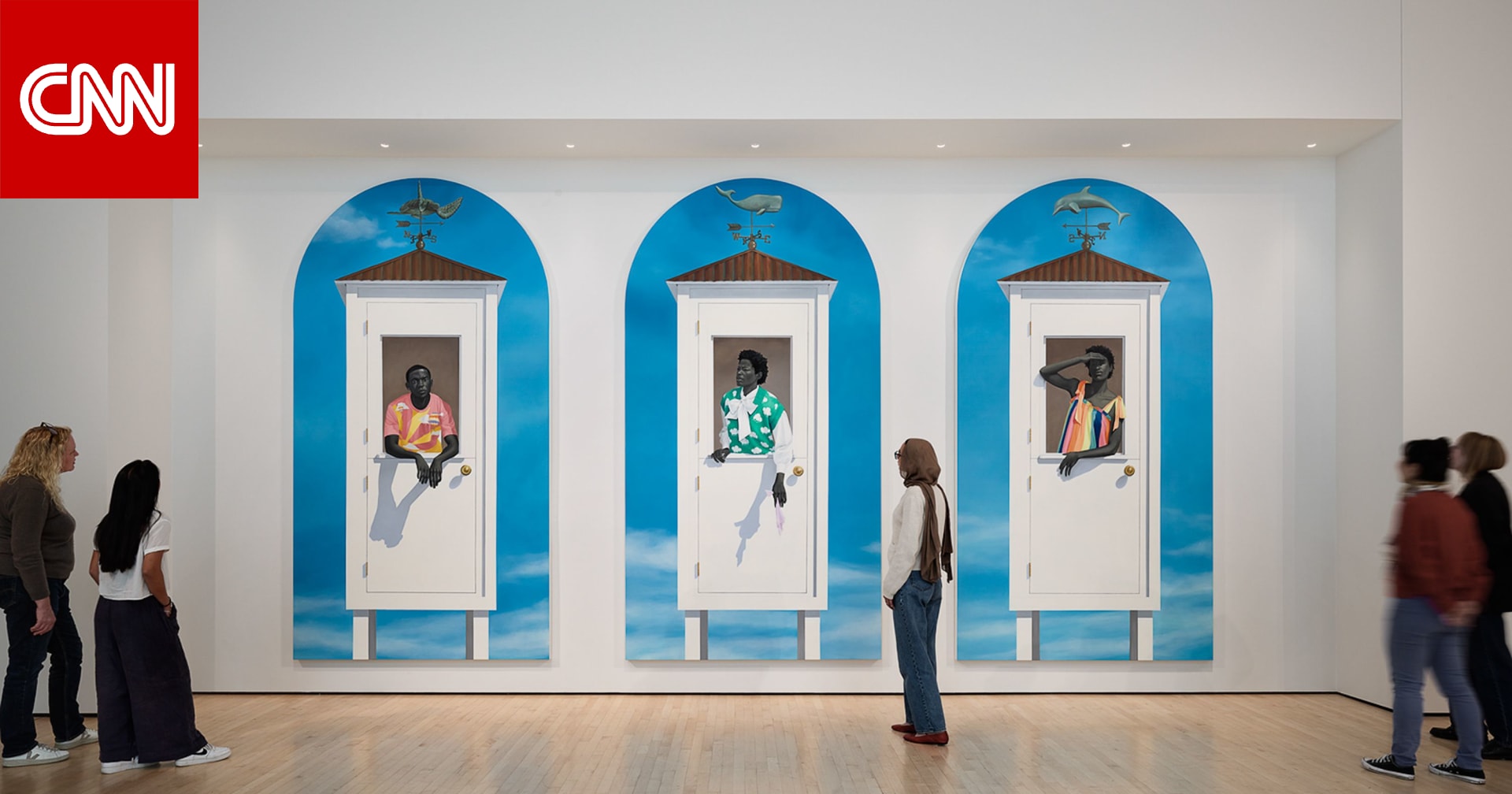
The intersection of fine art and social commentary has long served as a mirror for the complexities of American identity. In recent years, contemporary artists have increasingly turned their canvases toward the structural and historical exclusion of Black Americans, utilizing visual narratives to challenge established institutional norms. By confronting the historical absence or caricature of Black subjects within Western art history, these creators are not merely making aesthetic choices; they are engaging in a rigorous critique of systemic erasure.
This movement, which centers on the reclamation of space and visibility, highlights the ongoing efforts to address the racial disparities embedded in cultural institutions. The discourse surrounding this artistic shift often focuses on the power of representation to influence public perception and policy. As galleries and museums across the United States face growing pressure to diversify their collections and exhibition strategies, the work of these artists serves as a focal point for broader societal conversations about equity and inclusion.
For many observers, the urgency of this artistic response is rooted in the broader context of the civil rights struggle and the persistent challenges regarding equal access to cultural and social capital. By examining how visual media can either perpetuate or dismantle exclusionary practices, experts are increasingly looking at how artistic expression aligns with institutional reform efforts. Understanding this dynamic requires a look at both the historical context of art and the modern-day push for institutional accountability.
The Historical Context of Visual Exclusion
The critique of how Black individuals have been portrayed—or omitted—in Western fine art is deeply rooted in historical patterns of systemic bias. Art historians have long documented how traditional canons often prioritized European perspectives, frequently relegating Black subjects to the margins or reducing them to stereotypical tropes. This historical framework is central to understanding why contemporary artists feel compelled to address these themes directly.

The movement to correct this imbalance is supported by a growing body of research into the demographics of museum collections. According to a study published by the Public Library of Science (PLOS), an analysis of 18 major U.S. Art museums revealed that 85% of artists in their permanent collections are white, with Black artists remaining significantly underrepresented across the board. This data underscores the structural nature of the exclusion that these contemporary artists are working to dismantle through their practice.
Art as a Tool for Institutional Change
When artists choose to confront the exclusion of Black Americans, they are often performing a form of visual reclamation. By placing Black figures in positions of power, complexity, and historical significance, they disrupt the traditional narratives that have dominated museum walls for centuries. This practice is not limited to the canvas; it often extends to community-based initiatives and public discourse that challenge museums to reevaluate their acquisition policies.

The impact of this work is increasingly recognized by institutional bodies. For instance, the National Endowment for the Arts (NEA) has continued to emphasize the role of diverse representation in its grant-making and support programs, aiming to foster an environment where artistic institutions better reflect the demographic reality of the nation. These efforts are part of a larger, ongoing shift in how public and private sectors approach cultural equity, as detailed in recent reports on cultural policy and diversity, equity, and inclusion (DEI) initiatives.
What Lies Ahead for Cultural Equity
The question of how to effectively address systemic exclusion remains a priority for curators, educators, and artists alike. While individual works of art can spark necessary conversations, long-term change depends on sustained commitment from the institutions themselves. Future developments in this area are expected to focus on transparency in acquisition data, the diversification of museum leadership, and the development of curricula that prioritize inclusive art history.
As the conversation continues, the role of the public remains vital. Engagement with exhibitions that challenge traditional narratives, participation in public forums, and support for community-based arts organizations are ways that individuals contribute to this broader cultural shift. The path forward involves a collaborative effort to ensure that the visual record of America is as diverse and multifaceted as the society it seeks to represent.
The next major milestone in this ongoing discussion will likely be the release of updated biennial reports from national cultural organizations regarding their progress on diversity targets, which are expected later this year. These reports will serve as a key indicator of whether institutional rhetoric regarding inclusion is translating into measurable shifts in representation. We invite our readers to share their thoughts on the role of art in social justice in the comments section below, and to stay tuned for further updates as these cultural conversations unfold.
Related reading