In the tense standoff between Iran and the United States over maritime security in the Strait of Hormuz, a fresh dynamic has emerged: American naval forces are providing direct assistance to clear naval mines laid by Iranian forces, framing the effort as a humanitarian gesture to ensure global shipping safety. This development comes amid repeated closures and reopenings of the vital oil chokepoint, which Iran has used as leverage in its broader conflict with Israel and the U.S.
The Strait of Hormuz, through which approximately 20% of the world’s oil supply passes, has been intermittently blocked by Iran since early March 2026 in retaliation for U.S.-Israeli strikes on Iranian territory. Tehran has justified these actions as a response to what it calls an ongoing U.S.-led naval blockade aimed at restricting Iran’s oil export revenues. Despite periodic declarations of openness tied to ceasefire agreements in Lebanon, Iran has repeatedly reversed course, most recently re-closing the strait just hours after announcing its reopening in mid-April 2026, citing the continued U.S. Maritime blockade as the reason.
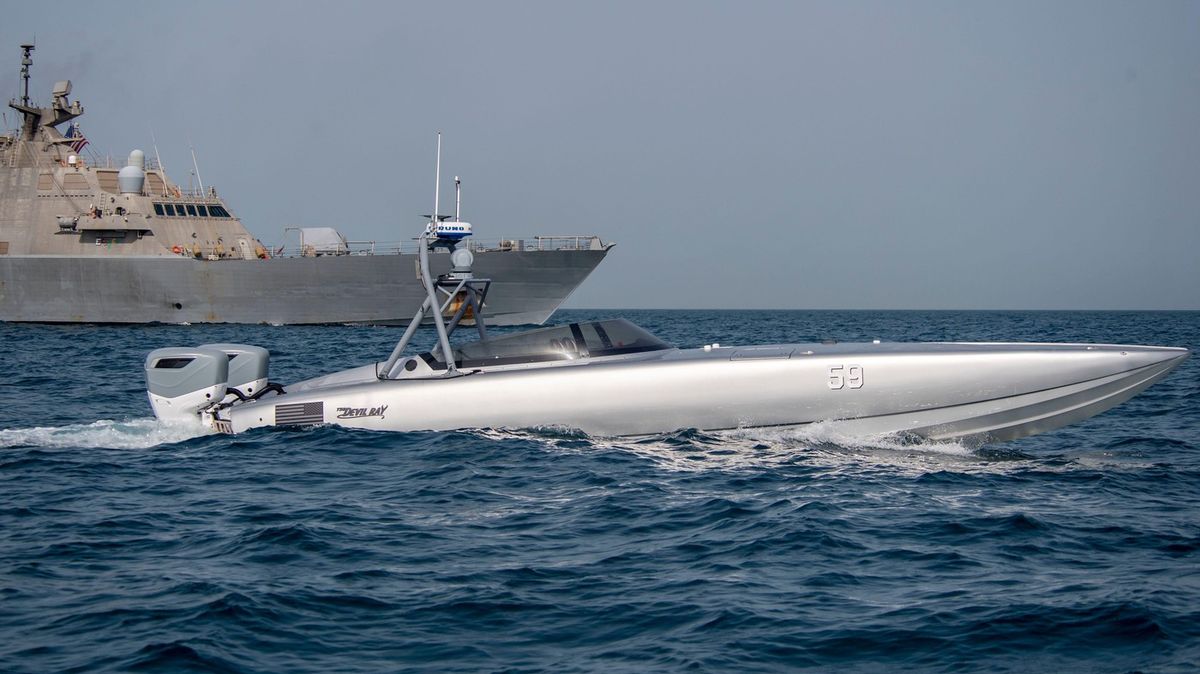
Amid this volatility, U.S. Forces have begun deploying specialized mine countermeasure assets to assist in clearing explosive hazards from the waterway. According to U.S. Central Command, these efforts include the use of Avenger-class mine countermeasure ships and MH-53E Sea Dragon helicopters equipped with airborne mine neutralization systems. The operations are being conducted in coordination with international maritime authorities, though the U.S. Has emphasized that its actions are intended to restore freedom of navigation, not to accept sides in the broader regional conflict.
One of the key vessels involved in the mine-clearing effort is the USS Devastator (MCM-6), an Avenger-class minesweeper that arrived in the Gulf of Oman in early April 2026. The ship has been conducting sonar sweeps and controlled detonations of suspected naval mines in the approaches to the Strait of Hormuz. U.S. Navy officials have stated that the mission is purely defensive and aimed at mitigating risks to commercial vessels, including oil tankers and liquefied natural gas carriers, which rely on the strait for transit between the Persian Gulf and the open ocean.
The U.S. Framing of these operations as an act of “kindness to the world” has drawn both support and skepticism. While some international shipping associations have welcomed the reduction in navigational risk, others have questioned whether the U.S. Is using humanitarian rhetoric to justify a continued military presence in a strategically sensitive region. Iran, for its part, has dismissed the mine-clearing efforts as irrelevant, insisting that the U.S. Naval blockade — which includes sanctions enforcement and interdiction of Iranian vessels — remains the root cause of instability in the area.
Despite the U.S. Efforts, the situation remains fluid. As of late April 2026, the Strait of Hormuz has experienced multiple cycles of closure and reopening, with each shift tied to diplomatic developments in the Israel-Hezbollah ceasefire in Lebanon. Iranian officials have repeatedly warned that any continuation of the U.S. Maritime blockade will prompt further closures, regardless of mine-clearing operations. Meanwhile, global energy markets have reacted sensitively to each shift, with oil prices fluctuating in response to perceived risks to supply chains.
The broader context includes ongoing U.S. Efforts to build an international coalition to secure the strait, though key allies have hesitated to commit resources, citing concerns over escalation and the lack of a clear political resolution to the underlying conflicts. U.S. Officials have acknowledged that mine clearance alone cannot ensure long-term stability without a diplomatic breakthrough, but maintain that reducing immediate hazards is a necessary step to prevent accidental escalation.
As of the latest available information, mine-clearing operations in the Strait of Hormuz are ongoing, with U.S. Forces reporting progress in neutralizing known minefields. However, no official timeline has been provided for the completion of these efforts, and the future of the strait’s accessibility remains contingent on the evolving diplomatic and military dynamics between Iran, the United States, and their respective allies.
For updates on maritime security operations in the Gulf region, readers can refer to official releases from U.S. Central Command and the International Maritime Organization.
If you found this analysis informative, please consider sharing it with others interested in global affairs and leaving a comment below to join the discussion.