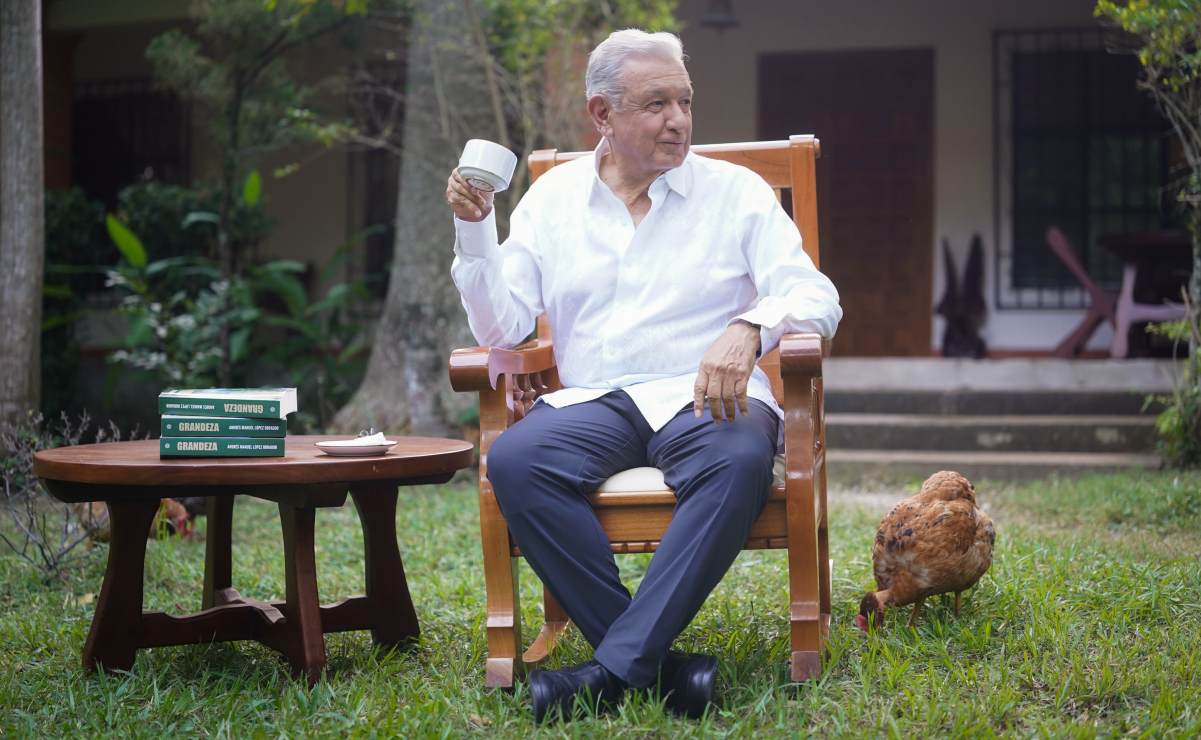
Former Mexican President Andrés Manuel López Obrador, who stepped down from office on September 30, 2024, has recently broken his self-imposed political retirement to address mounting tensions between Mexico and the United States. Since leaving the presidency, the leader—often referred to by his initials, AMLO—has maintained a relatively low profile, focusing on personal projects. However, recent geopolitical friction, particularly regarding trade and migration policies proposed by incoming U.S. Administration figures, has prompted him to re-enter the public discourse.
The return of AMLO to the political conversation highlights the ongoing influence of the former president within the Morena party and the broader Mexican political landscape. His recent public interventions have centered on what he characterizes as an “interventionist” approach from U.S. Officials and a shift in rhetoric from President-elect Donald Trump. These re-appearances serve as a reminder that, despite his transition to private life, López Obrador remains a potent voice capable of galvanizing his base and shaping the national narrative regarding Mexico’s sovereignty.
A Shift in Rhetoric: Addressing the U.S. Stance
The core of López Obrador’s recent critiques involves the evolving relationship between Mexico City and Washington. In recent public statements, the former president has expressed concern over what he perceives as a coordinated attempt by certain U.S. Officials to undermine the current administration of his successor, Claudia Sheinbaum. AMLO has specifically pushed back against rhetoric concerning trade tariffs and border security, labeling these pressures as a “blitz” or “embestida” against Mexican interests. According to the official records from late 2024 regarding U.S.-Mexico trade discussions, the threat of tariffs has been a primary driver of diplomatic friction.
López Obrador’s rhetoric often utilizes historical framing, positioning the current tensions as a struggle between those who favor national autonomy and a “subservient” right-wing faction. By framing his arguments this way, he seeks to mobilize public opinion in support of the current government’s policies. His critiques are not merely reactive; they are calculated to reinforce the ideological foundations of the “Fourth Transformation,” the political movement he founded. His focus on “manipulators” surrounding the U.S. Leadership reflects his long-standing narrative that international pressure is frequently orchestrated by domestic actors seeking to regain power.
The Publication of “Grandeza” and Continued Influence
Beyond his vocal interventions on foreign policy, López Obrador has utilized his post-presidency period to focus on his literary output. The release of his recent work, titled “Grandeza Mexicana” (or simply referred to as “Grandeza”), serves as a platform to codify his political philosophy. By documenting his vision of Mexican history and his administration’s achievements, he ensures that his influence persists well beyond his tenure at the National Palace. This intellectual effort is viewed by analysts as a strategic move to maintain his status as the moral compass of the Morena movement.
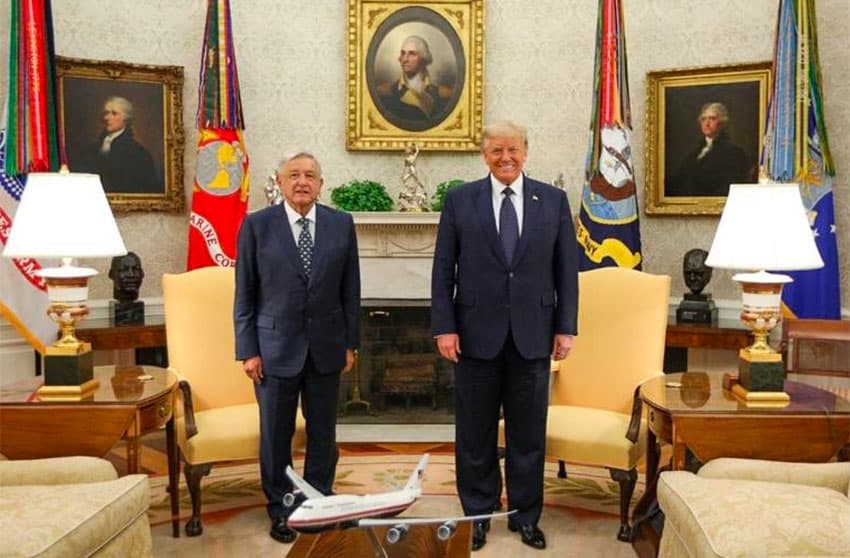
The transition of power in Mexico was marked by a historic election victory for Claudia Sheinbaum, who secured nearly 60% of the vote in the June 2, 2024 general election. Despite this overwhelming mandate, the shadow of López Obrador looms large. His re-appearances, whether through social media videos or public letters, act as a stabilizing force for his supporters but also present a complex challenge for the current administration as it seeks to chart its own course while maintaining the support of the former president’s loyal voter base.
Key Takeaways: AMLO’s Post-Presidency Dynamics
- Strategic Re-entry: López Obrador has selectively broken his retirement to defend the sovereignty of Mexico against external political pressures.
- Ideological Continuity: His interventions reinforce the core tenets of the “Fourth Transformation,” focusing on anti-interventionism and protection of domestic social programs.
- The U.S.-Mexico Relationship: AMLO’s commentary reflects deep-seated concerns regarding the impact of U.S. Trade and migration policy on Mexican stability.
- Influence on Governance: While no longer in office, his ability to shape public opinion remains a significant factor in the political calculus of the current administration.
What Happens Next?
As the international community watches the development of the U.S.-Mexico bilateral agenda, all eyes are on how the Sheinbaum administration navigates these pressures. The next critical checkpoint involves the formal inauguration of the new U.S. Administration in January 2025, which will likely set the tone for trade negotiations and border policy enforcement. The Mexican government is expected to continue its legal and diplomatic efforts to address potential tariff threats, as mandated by the United States-Mexico-Canada Agreement (USMCA) framework.
Whether López Obrador continues to play a central role in these debates or gradually retreats further into private life remains to be seen. His recent history of “re-appearances” suggests that he will likely intervene whenever he perceives a direct threat to the political legacy he spent decades building. For now, the political landscape in Mexico remains a delicate balancing act between the past and the future.
What are your thoughts on the influence of former presidents in modern political discourse? Join the conversation by sharing your perspective in the comments section below.
Related reading