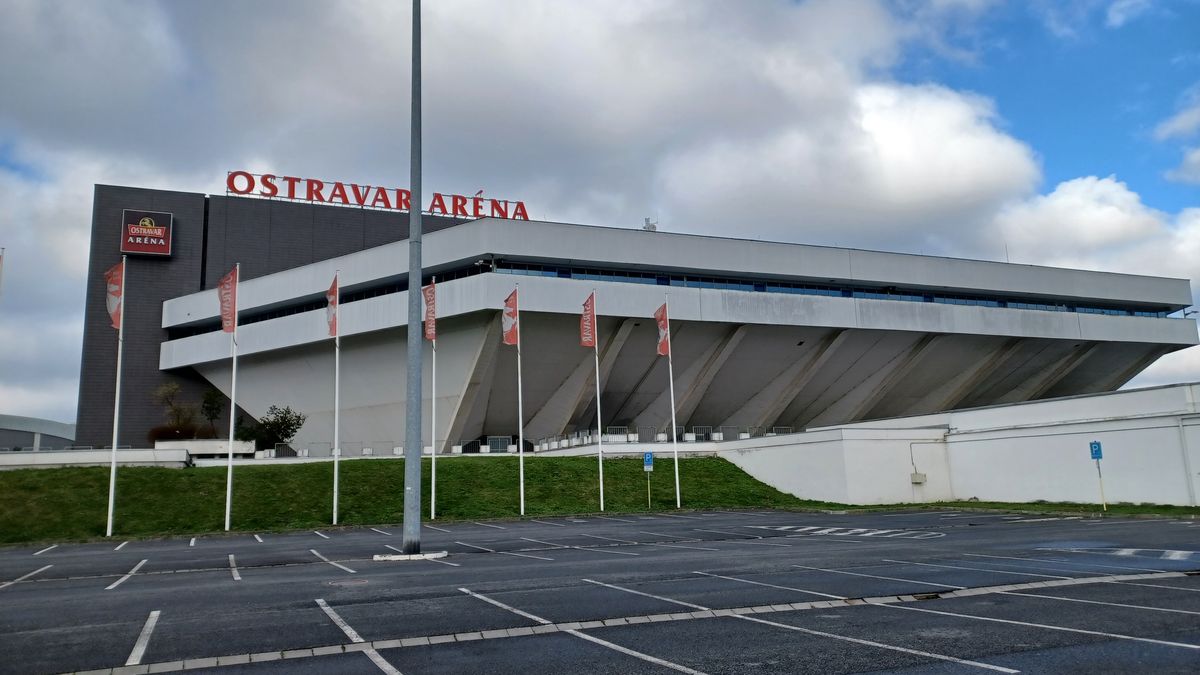
Emergency crews responded to a hazardous materials incident in Ostrava after a leak of ammonia was detected at a local ice hockey arena. First responders secured the surrounding area as technical teams worked to contain the toxic gas release, prompting precautionary evacuations and drawing a heavy deployment of firefighters and hazardous material specialists to the municipal sports facility.
The incident at the Ostrava winter sports venue mobilized integrated rescue units, including chemical mitigation teams and local police. Authorities coordinated containment measures to prevent the spread of the volatile compound inside the multi-purpose arena, which is frequently used for athletic training, public skating sessions, and competitive hockey matches.
Ammonia, commonly utilized as a refrigerant in industrial cooling systems such as ice-rink refrigeration plants, poses severe health risks upon inhalation or direct contact. Emergency management agencies routinely enforce strict safety protocols during such industrial and athletic facility leaks to safeguard both on-site personnel and residents living near major recreational complexes.
Emergency Response and Facility Containment
Fire and rescue services deployed specialized decontamination units to the scene following initial reports of the chemical discharge. Regional emergency dispatchers coordinated the deployment of multiple firefighting brigades equipped with specialized respiratory gear and chemical-resistant suits to locate the source of the breach within the arena’s machinery room.
Technicians focused their efforts on isolating the affected refrigeration circuits while monitoring atmospheric concentration levels inside and immediately outside the stadium. Municipal authorities restricted public access to the surrounding zone, establishing a security perimeter to facilitate the movement of emergency vehicles and ensure public safety during the mitigation process.
Safety Protocols and Industrial Refrigeration Risks
Large-scale ice arenas rely heavily on closed-loop ammonia refrigeration systems due to their thermodynamic efficiency. However, system failures, valve malfunctions, or pipeline degradation can occasionally cause hazardous leaks. Regulatory agencies mandate regular safety inspections, pressure testing, and automatic shut-off valves to mitigate these risks in public venues.
Local authorities and environmental protection specialists routinely oversee the ventilation of affected structures following a chemical containment operation. Officials indicated that structural assessments and air quality monitoring would continue until the facility met all safety requirements for reopening.
Next Steps and Official Updates
Municipal officials and emergency services are expected to release further technical evaluations regarding the cause of the leak following the completion of on-site investigations. Residents and visitors can monitor updates through official municipal portals and regional emergency response announcements as technical teams finish clearing the facility.