
Scientists monitoring the Atlantic Meridional Overturning Circulation (AMOC) report that the system—a crucial network of ocean currents—is experiencing a long-term weakening trend, which could fundamentally alter weather patterns across Europe and Italy. While the system remains active, research published by the Intergovernmental Panel on Climate Change (IPCC) indicates that a continued decline could lead to more frequent extreme weather events, including shifts in temperature and precipitation levels across the Northern Hemisphere.
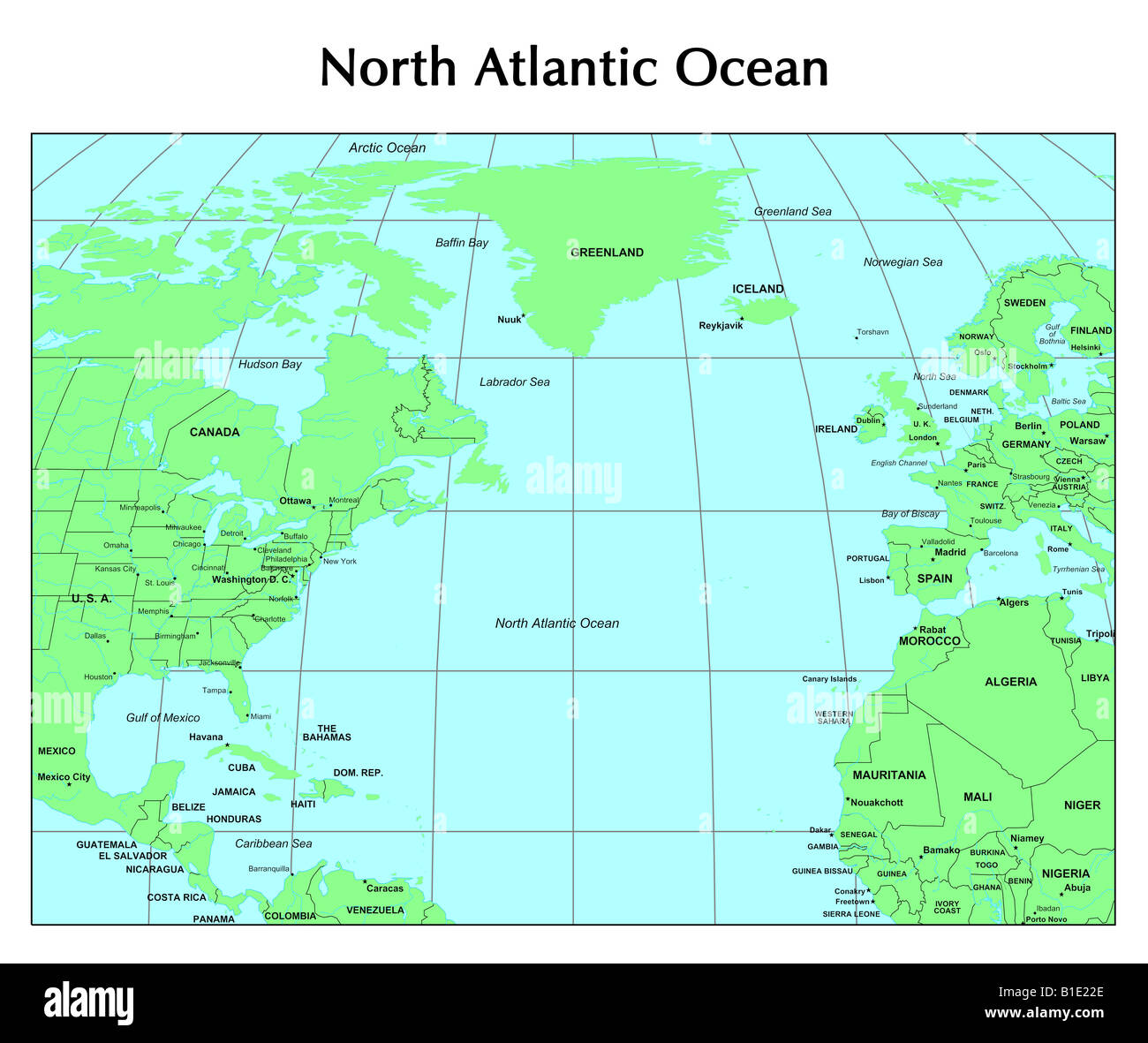
The AMOC functions as a planetary conveyor belt, transporting warm surface water from the tropics toward the North Atlantic, where it cools, becomes denser, and sinks. This movement is essential for maintaining the relatively mild climate of Western Europe. Current data from the Ocean & Climate Platform suggest that as global temperatures rise and polar ice melts, the influx of freshwater into the North Atlantic reduces the density of the water, potentially slowing the sinking process that powers the circulation.
Understanding the Mechanics of the Atlantic Circulation
The stability of the AMOC depends on the density of seawater, which is determined by temperature and salinity. According to the UK Met Office, the current is a primary driver of the North Atlantic’s heat distribution. If the circulation slows significantly, the transport of heat toward the European continent could diminish. This does not necessarily imply an immediate “ice age” scenario for Italy, but rather a disruption of established climate norms that govern seasonal agriculture, water management, and energy consumption.
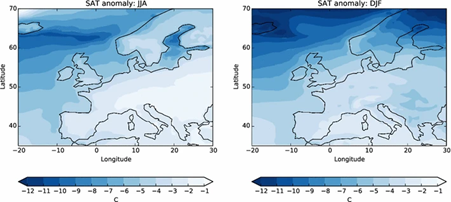
Researchers utilize satellite telemetry and moored sensor arrays to track these changes. The RAPID project, which has monitored the AMOC at 26 degrees North since 2004, provides a continuous record of the current’s strength. While year-to-year variability is high, long-term observational data and climate modeling suggest a downward trajectory in the strength of the overturning circulation compared to the mid-20th century.
Potential Impacts on European and Italian Weather
For Italy and the broader Mediterranean region, the consequences of an AMOC slowdown are complex. While the North Atlantic might see cooling, some climate models suggest that the Mediterranean could experience intensified heatwaves or altered rainfall patterns. The European Environment Agency notes that changes in atmospheric circulation often follow shifts in ocean temperatures, which could influence the path of storm tracks, potentially leading to more erratic precipitation or prolonged droughts in Southern Europe.
The interaction between the ocean and the atmosphere is non-linear. A weakened AMOC could shift the position of the jet stream, the high-altitude winds that steer weather systems across the Atlantic. If the jet stream becomes more unstable, it may allow arctic air masses to penetrate further south, or conversely, trap high-pressure systems over the Mediterranean, increasing the risk of extreme heat and wildfires during the summer months.
Distinguishing Between Short-Term Weather and Long-Term Trends
It is important for the public to distinguish between daily weather fluctuations and the decadal trends of oceanic circulation. A cold snap in Italy is a weather event influenced by local pressure systems and is not, by itself, evidence of an AMOC collapse. However, the cumulative effect of a weakened circulation is a subject of intense scientific inquiry. The academic journal Nature recently published studies exploring “tipping points” in the climate system, highlighting the uncertainty regarding the exact threshold at which these changes become irreversible.
Current policy frameworks, such as the European Green Deal, prioritize the reduction of greenhouse gas emissions to mitigate the drivers of polar ice melt, which is the primary catalyst for the freshening of the North Atlantic. Monitoring these currents remains a cornerstone of international climate research, with major institutions continuing to refine their models to better predict how these oceanic shifts will manifest in the coming decades.
Next Steps in Climate Monitoring
The next major assessment regarding ocean circulation and its impact on the climate is expected to be included in the upcoming reporting cycles from the IPCC. These assessments provide the scientific foundation for national and international climate adaptation strategies. Residents and stakeholders interested in localized climate updates are encouraged to monitor information provided by national meteorological services, such as the Aeronautica Militare Servizio Meteorologico in Italy, which provides verified daily and seasonal forecasts.
As the scientific community continues to analyze data from the North Atlantic, the focus remains on improving the resolution of climate models. We invite our readers to share their thoughts and experiences regarding changing local weather patterns in the comments section below, and to follow our coverage as we continue to track developments in global climate science.