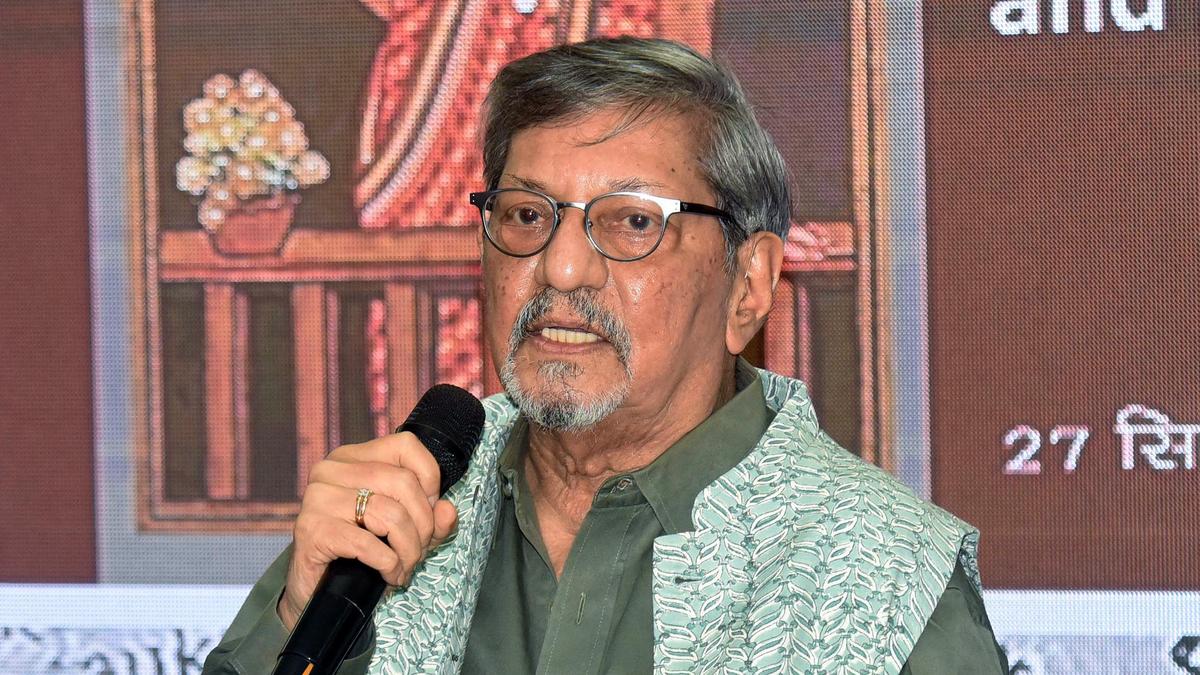
Veteran Actor Amol palekar’s Long Fight for Artistic Freedom Heads back to Court
For over eight years, acclaimed actor and director Amol Palekar has been pursuing a legal challenge against pre-censorship rules for plays and dramas in Maharashtra. Now, his petition is finally scheduled for a hearing, offering a potential resolution to a case that strikes at the heart of artistic expression in India.
The Maharashtra High Court has agreed to here palekar’s plea on December 5th. His counsel, Anil Anturkar, emphasized the urgency, noting that the 85-year-old Palekar seeks closure - a definitive outcome, nonetheless of the result - after years of waiting.
The Core of the Dispute: Pre-Censorship & Artistic Rights
Palekar’s petition challenges the mandatory pre-censorship of play scripts by the Maharashtra State Performance Scrutiny Board. He argues these rules, stemming from Section 33(1)(wa) of the Bombay Police Act, are arbitrary and violate basic constitutional rights.Specifically, the law allows the Commissioner of Police to create rules for licensing and controlling public amusement, including performances, requiring prior scrutiny for public order, decency, and morality.
This pre-approval process, Palekar contends, stifles creativity and prevents the performance of ancient plays in their original, intended form. You might wonder why this matters in an age where over-the-top (OTT) platforms operate with substantially less oversight. Anturkar pointed this out to the court, highlighting the disparity between theatrical productions and the current landscape of streaming entertainment.
A History of the Case
Initially admitted by the High Court in September 2017, Palekar’s petition has languished without a final hearing until now.This delay underscores the complexities surrounding the balance between artistic freedom and potential concerns about public order.
* the Issue: Does the Bombay Police Act grant the police the authority to pre-censor dramas and plays?
* Palekar’s Argument: The rules are unconstitutional and restrict artistic expression.
* The Context: A shift towards less censorship in other entertainment sectors, like OTT platforms, raises questions about the continued justification for pre-censorship of stage performances.
Why This Case Matters to You
This case isn’t just about one actor’s fight; it’s about the broader implications for artistic freedom in India. If the court rules in Palekar’s favor, it could pave the way for a more open and vibrant theatrical landscape. Conversely, upholding the existing rules would reinforce a system of pre-emptive control over creative expression.
The outcome will undoubtedly influence how artists approach their work and the stories they choose to tell. It also speaks to the ongoing debate about the role of censorship in a democratic society.
Related Reading: You may also be interested in exploring how Bollywood is navigating resistance to caste-conscious cinema and the challenges of censorship in filmmaking: ‘Phule’ and censorship: How Bollywood’s elite resist caste-conscious cinema
Published - November 06, 2025 07:23 pm IST.
Keep reading