
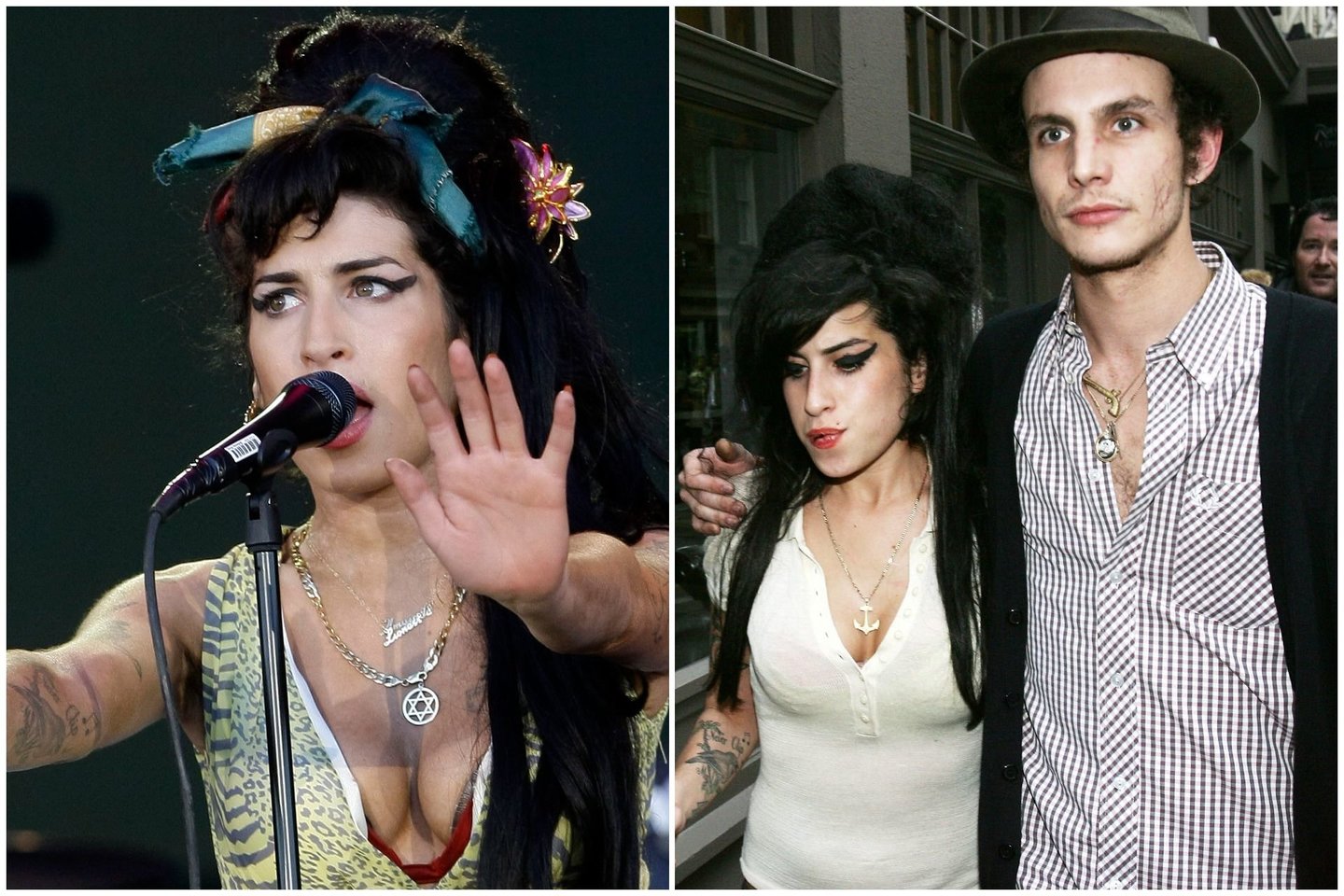
Blake Fielder-Civil, the former husband of the late Grammy-winning singer Amy Winehouse, has publicly addressed long-standing accusations regarding his role in the star’s struggle with substance abuse. In recent interviews, Fielder-Civil denied responsibility for Winehouse’s death, despite acknowledging that the pair shared a history of drug use during their tumultuous relationship. Winehouse passed away on July 23, 2011, at her home in Camden, London, at the age of 27, with a coroner’s inquest later confirming the cause of death as accidental alcohol poisoning, according to records from the BBC.
The discourse surrounding Fielder-Civil’s influence on the singer has persisted for over a decade. While critics and some members of the public have frequently pointed to their marriage—which lasted from 2007 to 2009—as a catalyst for the singer’s public decline, Fielder-Civil maintains that he was not the sole architect of her addiction. His statements reflect a desire to shift the narrative away from him being the singular cause of a tragedy that deeply affected the global music community.
The Context of a Turbulent Relationship
Amy Winehouse and Blake Fielder-Civil were married in Miami in May 2007, a period that coincided with the intense media scrutiny of Winehouse’s rising fame and subsequent health struggles. Their relationship was characterized by high-profile legal issues and public reports of drug dependency. As reported by The Guardian, both individuals struggled publicly with narcotics, and their personal lives often became the focus of tabloid journalism during the mid-2000s.

Fielder-Civil has consistently faced intense criticism from fans and media outlets who argue that he introduced the singer to harder substances. In interviews, he has countered these claims by emphasizing that addiction is a complex, multifaceted issue. He has stated that while he regrets the path they took together, he rejects the characterization that he “pushed” her toward her death. He has often pointed to the fact that Winehouse’s struggle with substances predated their meeting, a detail corroborated by various biographical accounts of the singer’s early career.
Official Findings on the Death of Amy Winehouse
Following the discovery of Winehouse’s body, a formal investigation was launched to determine the precise cause of her death. In October 2011, St Pancras coroner Dr. Shirley Radcliffe recorded a verdict of death by “misadventure,” explicitly stating that the singer had consumed a very large amount of alcohol, with blood tests revealing levels of 416mg per 100ml—more than five times the UK drink-drive limit, as detailed in official reports from The Guardian. The coroner’s report noted that the rapid consumption of alcohol led to respiratory arrest.

The medical evidence presented at the inquest focused on the physiological impact of alcohol toxicity rather than the influence of other controlled substances. This finding provided a definitive legal conclusion to the speculation that had dominated the media in the months immediately following her passing. By focusing on the alcohol toxicity, the official record moved the conversation away from the interpersonal blame that had been directed at Fielder-Civil by some observers.
Public Perception and Media Scrutiny
The role of the media in the life of Amy Winehouse remains a significant subject of study in modern cultural history. The relentless pursuit of the couple by paparazzi and the subsequent public judgment of Fielder-Civil created a narrative that was difficult to dismantle. For many, the association between Winehouse and Fielder-Civil became synonymous with the tragic outcome of the singer’s life.
Fielder-Civil has frequently expressed that the public’s desire to find a “villain” in the story led to his vilification. In various public appearances since the singer’s death, he has attempted to address the guilt associated with their shared past. However, he continues to assert his innocence regarding the specific circumstances of her final days, emphasizing that they were living separate lives at the time of her death in 2011.
Legacy and Ongoing Discussions
More than a decade after her passing, the legacy of Amy Winehouse is primarily defined by her immense vocal talent and her impact on the soul and jazz genres. Her album Back to Black remains one of the best-selling records in UK history, according to The Official UK Charts Company. Efforts to honor her life often focus on her artistry rather than the tabloid narratives that dominated her final years.

As the conversation continues, the focus has shifted toward better understanding the pressures faced by young artists and the importance of mental health support within the music industry. While Fielder-Civil remains a polarizing figure, his insistence on his own perspective serves as a reminder of the complex and often painful realities behind the public image of global icons. There are no pending legal actions regarding this matter, and the coroner’s inquest remains the final official word on the circumstances surrounding the death of the singer.
Readers interested in the official history of the singer’s career and the charitable work conducted in her name can visit the Amy Winehouse Foundation, which provides support for young people struggling with substance abuse. We invite our readers to share their thoughts on how the media manages the legacies of artists in the comment section below.