
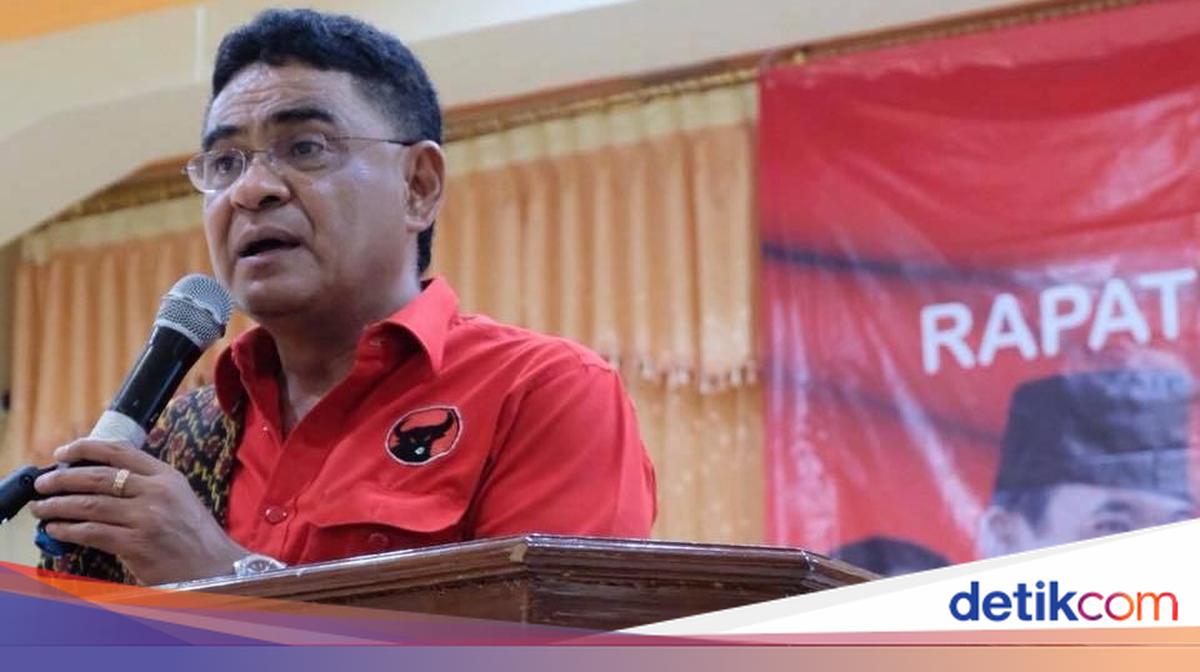
Members of the Indonesian Democratic Party of Struggle (PDIP) have criticized former President Joko Widodo following his participation in a traditional ritual in Lampung that involved stepping on a buffalo head. PDIP representatives characterized the former leader’s recent political engagements as being “local” in scope.
The reaction from PDIP follows recent sightings of the former president engaging in various regional activities, including the ritual in Lampung.
Why did PDIP criticize Jokowi’s ritual in Lampung?
The criticism from PDIP centers on the perceived scale of Joko Widodo’s current political maneuvers. Following his participation in a ritual in Lampung, which involved stepping on a buffalo head, members of the party reportedly laughed at the former president’s activities. The core of the critique is that the former president’s “game” is “local”.
The ritual itself, performed in the Lampung province, has been a focus of criticism from PDIP members.
What is the political significance of Jokowi’s “local” activities?
Some commentators have drawn parallels between Jokowi’s current political trajectory and the “Spirit of Soekarno”.

How might Jokowi’s political movements affect the Indonesian economy?
The continued political involvement of a former president is not without economic concerns. Economist Didik Rachbini has suggested that Jokowi’s ongoing “political safari” could potentially act as a negative factor for the national economy.
What role does the PSI play in Jokowi’s political strategy?
A significant component of the discussions surrounding Jokowi’s post-presidency is his perceived influence on the Indonesian Solidarity Party (PSI). There are indications that a major objective of his current political engagement may be to bolster the presence of the PSI within the Indonesian legislature, known as Senayan.
The PSI seeks to expand its influence in the national parliament.
Comparison of Political Interpretations
| Stakeholder/Source | Perception of Activities | Primary Concern/Goal |
|---|
What are your thoughts on the impact of former leaders on current national politics? Share this article and join the conversation in the comments below.