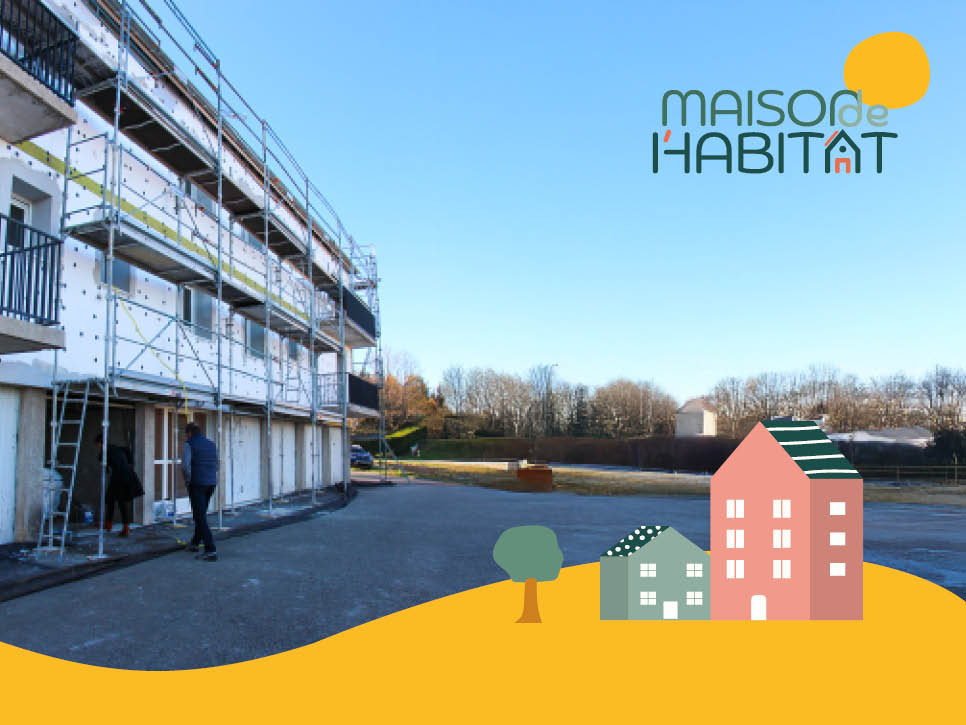
Paris, France – Homeowners in France planning renovations have reason to be optimistic as access to key financial aid programs has been restored following the recent promulgation of the 2026 Finance Law. The Agence Nationale de l’Habitat (ANAH), the national housing agency, reopened application portals in late February for several crucial schemes designed to improve the energy efficiency and quality of housing stock across the country. This move comes as France continues to prioritize energy transition and address housing challenges, but too amidst concerns about potential budget cuts impacting the overall availability of these funds.
The renewed accessibility of programs like MaPrimeRénov’, MaPrimeAdapt’, MaPrimeLogementDécent, and Loc’Avantages offers a significant boost to homeowners seeking to undertake essential improvements. But, the re-opening isn’t without changes. New procedures, particularly for larger-scale renovations, are now in place, requiring prospective applicants to engage with France Rénov’ advisors before submitting their applications. This shift underscores a move towards ensuring projects are well-planned and aligned with national energy efficiency goals.
Financial Aid Programs Reopened: A Detailed Look
The ANAH’s decision to reopen these aid programs is a direct consequence of the 2026 Finance Law being officially enacted. According to the ANAH, the following programs are now accepting applications:
- MaPrimeRénov’: This flagship program offers financial assistance for a wide range of energy efficiency improvements, from insulation to heating system upgrades.
- MaPrimeAdapt’: Specifically designed for homeowners looking to adapt their homes to accommodate age-related disabilities or loss of autonomy.
- MaPrimeLogementDécent: Aims to improve the quality of housing by supporting renovations that address issues like dampness, sanitation, and structural deficiencies.
- Loc’Avantages: Provides financial incentives for landlords who undertake renovations to improve the energy performance of rental properties.
These programs are intended to support a diverse range of renovation projects, catering to different needs, and priorities. The reopening signifies a commitment to supporting homeowners in making their properties more comfortable, energy-efficient, and accessible.
New Requirements for Comprehensive Renovations
A key change impacting applicants, particularly those planning extensive renovations – defined as multiple works aimed at significantly improving a home’s energy performance – is the mandatory consultation with an advisor from the France Rénov’ network. This network, linked to the “Maison de l’Habitat” (House of Habitat), provides free, personalized advice to homeowners on energy renovation projects. The requirement aims to ensure that projects are technically sound, financially viable, and aligned with the objectives of the national renovation strategy.
While not compulsory, a consultation with France Rénov’ is strongly recommended even for smaller-scale renovations – often referred to as “rénovation par geste” (renovation by action), such as insulating attics or replacing heating systems. This guidance can help homeowners navigate the complexities of the application process and maximize their chances of securing funding. The advisors can also help identify the most appropriate financial aid options based on individual circumstances and project details.
Budgetary Concerns and the Future of MaPrimeRénov’
Despite the positive news of the program re-openings, concerns remain regarding the long-term funding of these initiatives. Recent reports indicate a potential reduction in the ANAH’s overall budget for 2026. According to the Agence France-Presse, the ANAH’s allocation could decrease by 500 million euros, impacting the MaPrimeRénov’ scheme in particular. This reduction is part of a broader effort to refocus aid on “priority” housing and leverage Certificates d’Économies d’Énergie (CEE) – energy savings certificates – to finance renovations.
The shift towards prioritizing “priority” housing suggests a focus on supporting renovations in homes occupied by lower-income households or those with significant energy efficiency deficiencies. The increased reliance on CEEs, which are funded by energy companies, aims to reduce the financial burden on the state. However, experts, such as Maxime Ledez of the Institut de l’économie pour le climat (I4CE), have expressed concerns about whether CEEs will be sufficient to offset the budget cuts and maintain the current level of renovation activity. Ledez noted that achieving the government’s target of 700,000 homes renovated annually by 2030 may be challenging with a reduced budget.
The Role of CEEs in Funding Renovations
Certificates d’Économies d’Énergie (CEE) represent a key mechanism for financing energy efficiency improvements in France. Energy suppliers are obligated to achieve specific energy savings targets and can fulfill these obligations by funding renovation projects undertaken by homeowners. The volume of CEEs available is determined by the state, and their leverage is expected to increase as the ANAH’s budget is reduced. However, the effectiveness of this approach depends on the state setting ambitious CEE targets and ensuring that energy suppliers actively promote and support renovation projects.
Navigating the Application Process
For homeowners considering renovations, the first step is to determine eligibility for the various aid programs. The ANAH website (www.anah.gouv.fr) provides detailed information on each scheme, including eligibility criteria, eligible expenses, and application procedures. It is crucial to carefully review these guidelines before submitting an application.
As mentioned previously, a consultation with France Rénov’ is highly recommended, particularly for larger-scale projects. These advisors can provide personalized guidance, help homeowners identify the most appropriate funding options, and assist with the application process. The France Rénov’ network can be accessed through their website (france-renov.gouv.fr) or by contacting their local offices.
Key Takeaways
- The ANAH has reopened applications for MaPrimeRénov’, MaPrimeAdapt’, MaPrimeLogementDécent, and Loc’Avantages following the enactment of the 2026 Finance Law.
- A consultation with France Rénov’ is now mandatory for comprehensive renovation projects.
- The ANAH’s budget may be reduced in 2026, potentially impacting the availability of funding for MaPrimeRénov’.
- CEEs are expected to play a greater role in financing renovations as the ANAH’s budget is reduced.
The reopening of these aid programs represents a positive step towards promoting energy efficiency and improving the quality of housing in France. However, the potential budget cuts and the increased reliance on CEEs raise concerns about the long-term sustainability of these initiatives. Homeowners are encouraged to take advantage of the available funding while it lasts and to carefully plan their renovation projects to maximize their impact.
The next key date to watch is the official publication of the detailed budget allocations for the ANAH in the coming months, which will provide a clearer picture of the funding available for renovation programs in 2026. Stay informed by regularly checking the ANAH website and following updates from France Rénov’. We encourage readers to share their experiences with the renovation aid programs in the comments below and to share this article with anyone who may benefit from this information.
Worth a look