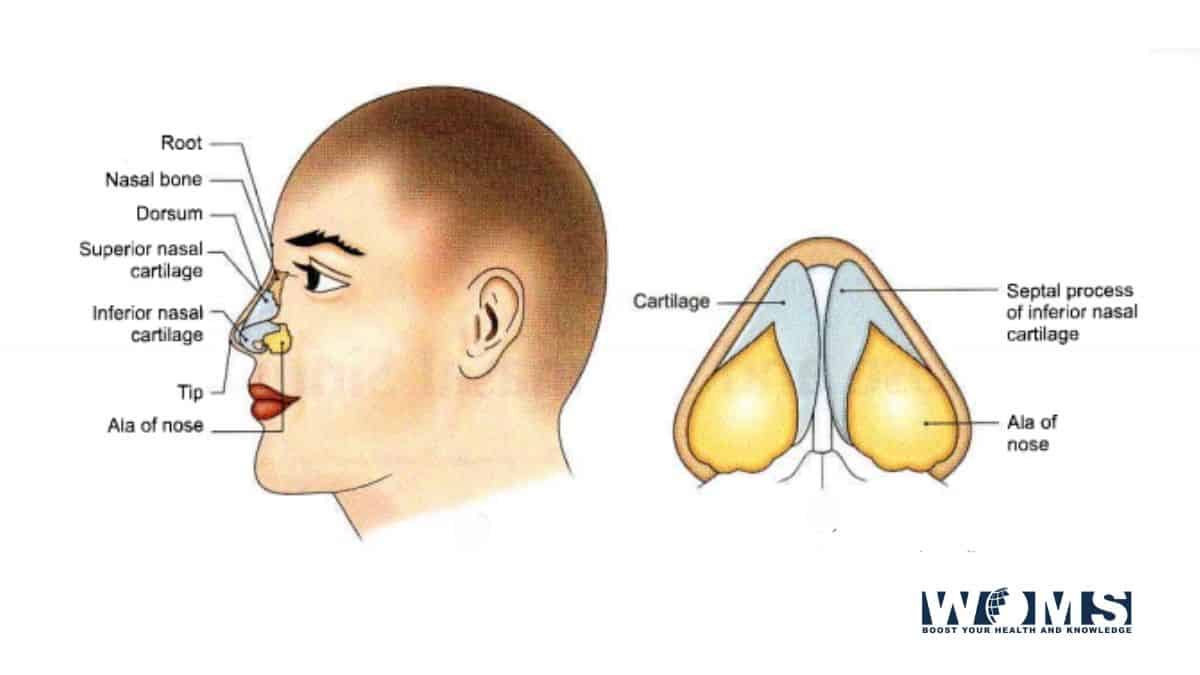
The human nose is far more than just a facial feature; This proves a sophisticated biological gateway that serves as our primary organ for olfaction and a critical component of the respiratory system. From the moment we inhale, our nasal anatomy works in concert to filter, warm and humidify the air we breathe while simultaneously decoding the complex chemical environment around us. Understanding the structure of the nose helps us appreciate how these integrated systems sustain our daily lives and protect our internal health.
As a physician, I often remind my patients that the anatomy of the nose is a masterclass in functional design. It is not merely a static structure but a dynamic, multi-layered system involving bone, cartilage, mucous membranes, and intricate neural pathways. Whether you are detecting the subtle notes of a meal or filtering out microscopic allergens, your nasal passage is constantly active, processing environmental stimuli at remarkable speeds.
To truly grasp how this organ functions, we must examine the specific components that form its architecture. The nose is divided into two primary sections: the external nose, which we see on the face, and the nasal cavity, the expansive space hidden deep within the skull. According to the National Center for Biotechnology Information (NCBI), the nasal cavity is lined with specialized mucosa that serves as the body’s first line of defense against inhaled pathogens, and particulates.
The Structural Framework: Bones and Cartilage
The external framework of the nose is a combination of rigid bone and flexible cartilage. The bridge of the nose is supported by the paired nasal bones, which attach to the frontal bone of the skull. Beneath these bones, the structure transitions into the lateral nasal cartilages and the alar cartilages, which provide the shape and flexibility required for the nostrils—or nares—to adjust during breathing.
The internal partition, known as the nasal septum, is perhaps the most critical structural component. Composed of both cartilage and bone, the septum divides the nasal cavity into two distinct chambers. A deviated septum—where this wall is off-center—is a common anatomical variation that can significantly impact airflow, a condition often evaluated by otolaryngologists using clinical diagnostic standards set by the American Academy of Otolaryngology-Head and Neck Surgery.
The Nasal Cavity: A Multipurpose Environment
Once air passes through the nares, it enters the vestibule, the initial chamber of the nasal cavity. This area is lined with tiny hairs called vibrissae, which act as a physical filter for larger dust particles. Beyond the vestibule, the cavity opens into a larger space featuring three bony projections known as nasal conchae or turbinates. These structures are essential for increasing the surface area of the nasal mucosa, ensuring that the air we inhale is adequately warmed and humidified before it reaches the sensitive tissues of the lungs.
The mucous membrane covering these turbinates is rich in blood vessels and goblet cells, which secrete mucus to trap finer particles like pollen, bacteria, and pollutants. This represents a vital immunological function. The American Lung Association emphasizes that by the time air reaches the pharynx, it has been conditioned to a temperature and humidity level that prevents damage to the delicate lower respiratory tract.
Olfaction: The Science of Smell
The most fascinating aspect of nasal anatomy is arguably the olfactory epithelium, a specialized patch of tissue located at the roof of the nasal cavity. This area contains millions of olfactory receptor neurons. When we inhale odorant molecules, they dissolve into the mucus layer and bind to these receptors, sending electrical signals directly to the olfactory bulb in the brain.
This process is highly complex; humans can distinguish between thousands of different odors, a capability that is deeply linked to our memory and emotional centers in the limbic system. While the nose acts as the physical sensor, the brain’s interpretation of these signals is what allows us to “smell” the world. Researchers continue to study how olfactory health serves as a barometer for neurological well-being, as loss of smell can sometimes be an early clinical indicator of various systemic conditions.
Key Takeaways: Understanding Your Nasal Health
- Structural Integrity: The nose relies on a precise arrangement of nasal bones and hyaline cartilage to maintain an open airway.
- Air Conditioning: The nasal conchae (turbinates) are responsible for warming and moisturizing air to protect the lungs.
- Defense Mechanism: Mucus and cilia act as a biological filter, trapping pathogens and debris before they reach the respiratory system.
- Olfactory Function: The olfactory epithelium is the primary site for chemical detection, linking directly to the brain’s processing centers.
Maintaining nasal health is often overlooked until a problem arises, such as chronic sinusitis or seasonal allergies. If you experience persistent nasal obstruction, frequent nosebleeds, or a sudden loss of smell, it is advisable to consult with a primary care physician or an ear, nose, and throat (ENT) specialist. Clinical guidelines for managing nasal health are updated periodically by medical organizations; for the latest information on respiratory health, you can monitor updates from the World Health Organization.

The anatomy of the nose is a testament to the efficiency of human physiology. By balancing the need for clear airflow with the complex requirements of filtration and sensory input, the nose remains one of our most vital organs. As we continue to study the intricacies of the nasal passage, we gain a deeper respect for the subtle, constant work it performs every time we take a breath.
Have you ever wondered how your sense of smell influences your daily life, or do you have questions about common nasal conditions? We invite you to share your thoughts or questions in the comments section below. Stay informed and prioritize your respiratory health by following our ongoing coverage of medical science and public health.