As the international community watches the volatile situation in the Middle East, recent diplomatic efforts have centered on a fragile cessation of hostilities between Israel, and Hezbollah. In late November 2024, a U.S.-brokered ceasefire agreement aimed at ending over a year of intensified cross-border conflict came into effect. This development represents a significant turning point in the regional security landscape, though the path toward long-term stability remains fraught with complex geopolitical challenges.
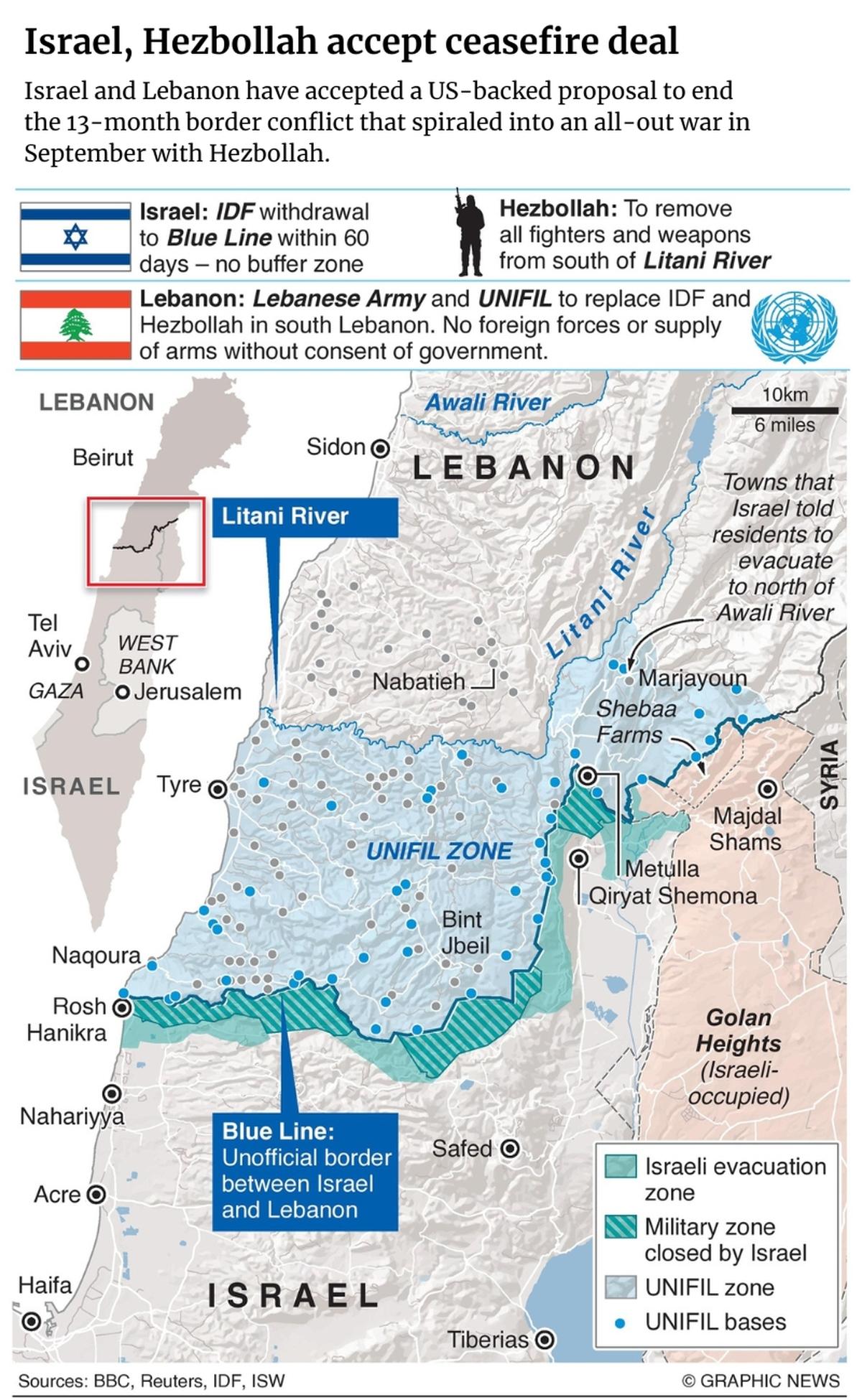
The ceasefire agreement, which officially began on November 27, 2024, was the culmination of intensive shuttle diplomacy led by U.S. Envoy Amos Hochstein. The deal mandates that Hezbollah withdraw its forces north of the Litani River, while the Israel Defense Forces (IDF) are expected to gradually pull back from southern Lebanon over a 60-day period. For those of us monitoring the region from Sofia and beyond, this represents the most substantive attempt to restore calm since the escalation of hostilities following the October 7, 2023, attacks in Israel.
Following the announcement, the Lebanese government and international observers have emphasized the importance of full implementation to prevent a return to the cycle of violence that has displaced tens of thousands of civilians on both sides of the border. Achieving a lasting de-escalation in Beirut and northern Israel requires not only the cessation of rocket fire and airstrikes but also the re-establishment of the authority of the Lebanese Armed Forces (LAF) in the southern territories.
The Mechanics of the U.S.-Brokered Agreement
The agreement is structured as a phased withdrawal and monitoring process. Central to the deal is the creation of a supervisory committee, led by the United States, which includes France and other international partners tasked with monitoring compliance. This mechanism is intended to address the long-standing grievances that have fueled the conflict under the framework of UN Security Council Resolution 1701, which originally sought to establish a buffer zone free of unauthorized armed personnel in southern Lebanon.
For the agreement to hold, several key conditions must be met. The Lebanese Armed Forces are expected to deploy approximately 5,000 to 10,000 troops to the south to fill the security vacuum left by the withdrawal of both Hezbollah and Israeli forces. This deployment is viewed by analysts as a critical test of Lebanese state sovereignty, as the LAF has historically struggled to project power in areas where Hezbollah maintains a significant political and military stronghold.
Humanitarian Impact and Regional Displacement
The human cost of this conflict has been profound. According to the United Nations Office for the Coordination of Humanitarian Affairs (OCHA), the fighting has resulted in the displacement of over 800,000 people within Lebanon, while tens of thousands of residents in northern Israel remain unable to return to their homes due to the ongoing security threat. The ceasefire provides the first tangible hope for these communities to begin the process of returning to their towns and villages.
However, the physical destruction in southern Lebanon is extensive. Entire villages near the border have been leveled, and critical infrastructure, including water and electricity grids, has suffered severe damage. International aid organizations are now shifting their focus toward early recovery efforts, though they stress that the security environment remains fragile. The success of the ceasefire is not merely a matter of military compliance; it is a prerequisite for the delivery of humanitarian aid and the commencement of reconstruction projects that will take years to complete.
Challenges to Long-Term Peace
While the cessation of hostilities is a welcome development, skepticism remains regarding the long-term viability of the deal. Critics point to the fact that similar agreements in the past have failed to permanently disarm non-state actors in the region. The political situation in Beirut remains volatile, with deep divisions among Lebanese factions regarding the role of Hezbollah and its influence on national security policy.
From a geopolitical perspective, the regional power dynamics continue to play a pivotal role. The influence of external actors, particularly Iran, remains a significant variable. While Hezbollah has signaled its willingness to abide by the terms of the ceasefire, its future operational capacity and its relationship with the Lebanese state will likely remain subjects of intense scrutiny by international intelligence agencies and diplomatic missions in the coming months.
Key Takeaways of the Ceasefire
- Phased Withdrawal: Israeli forces are scheduled to withdraw from Lebanese territory in stages over a 60-day period.
- Monitoring Committee: A U.S.-led international committee will oversee compliance and investigate potential violations.
- Sovereign Security: The Lebanese Armed Forces are charged with maintaining order in the south to ensure no unauthorized armed presence exists.
- Civilian Return: The primary goal is to facilitate the safe return of displaced populations to their homes on both sides of the border.
As we move forward, the international community will be watching for the first reports from the monitoring committee. The next critical checkpoint will occur at the end of the 60-day withdrawal window, at which point the efficacy of the security arrangements will be evaluated by the mediating parties. The situation is fluid, and we will continue to provide updates as new information becomes available through official channels.
What are your thoughts on the long-term prospects for this ceasefire? We invite our readers to join the conversation below and share your perspectives on the shifting geopolitical landscape in the Middle East.
Related reading