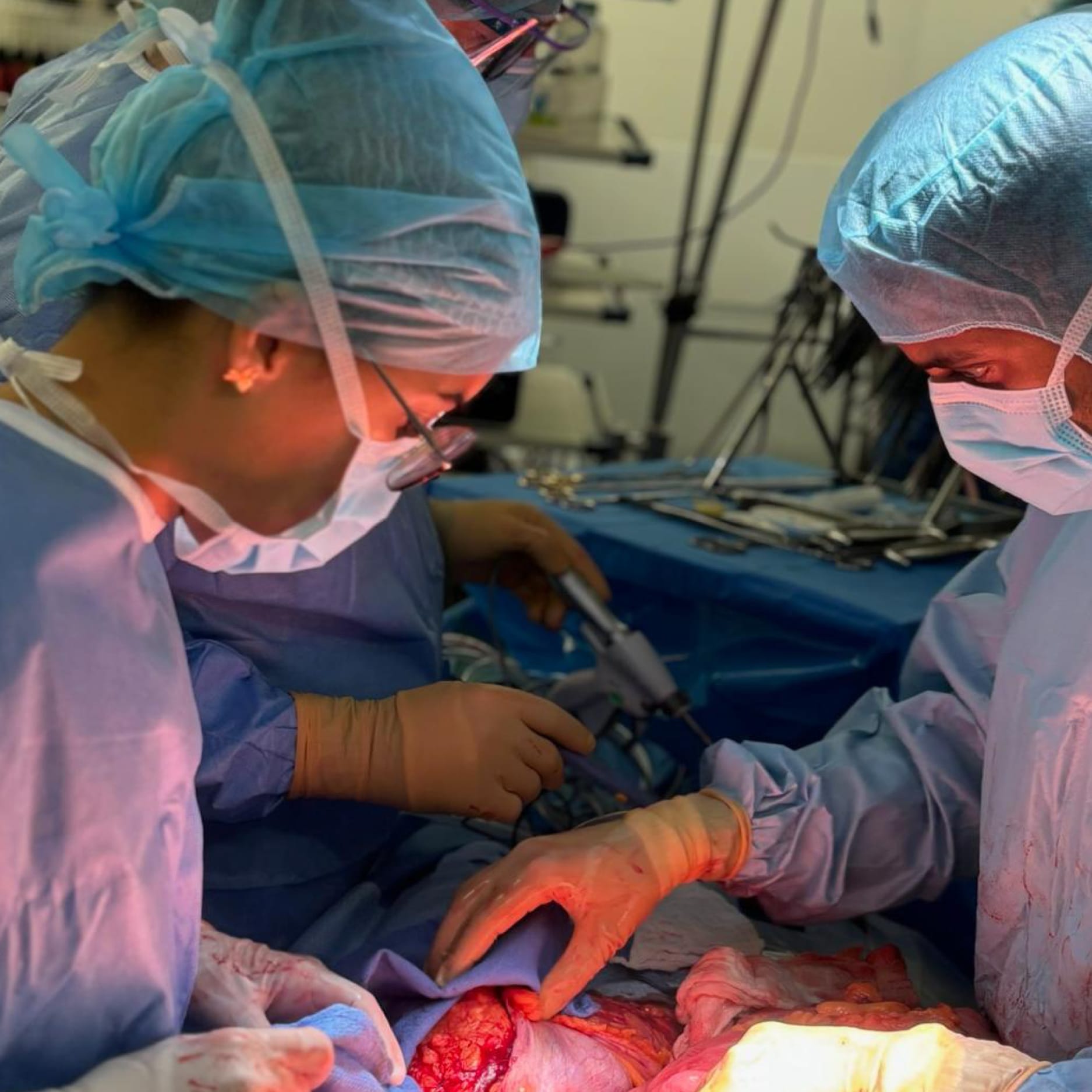
Nice, France — June 2, 2026 — The University Hospital of Nice (CHU de Nice) has achieved a landmark in medical innovation, performing its 100th liver transplant since 2024. This milestone underscores the hospital’s growing role as a regional hub for complex hepatic procedures, offering life-saving interventions to patients battling end-stage liver disease, cirrhosis, and liver cancer across Provence-Alpes-Côte d’Azur, parts of the Var, and Corsica.
As one of 16 French university hospitals authorized to perform adult liver transplants, the CHU de Nice’s expansion reflects both clinical expertise and strategic collaboration with national health authorities. The Agence de la biomédecine and the Agence Régionale de Santé (ARS) Provence-Alpes-Côte d’Azur have played pivotal roles in supporting this specialized activity, ensuring patients receive cutting-edge care closer to home.
The 100th transplant milestone arrives as France continues to refine its organ donation policies, with liver transplantation rates remaining among the highest in Europe. According to the CHU de Nice’s official announcement, the hospital’s success stems from a multidisciplinary approach combining surgical precision, post-operative care, and partnerships with donor hospitals and intensive care units across the region.
Why This Milestone Matters
Liver transplantation remains one of the most complex medical procedures, with survival rates directly tied to pre-operative assessment, surgical technique, and post-transplant management. The CHU de Nice’s achievement highlights several critical factors:
- Regional Accessibility: Before this expansion, many patients from the Alpes-Maritimes, Var, and Corsica required transfers to Paris or Lyon for liver transplants. The hospital’s increased capacity reduces travel burdens and improves outcomes by minimizing delays.
- Specialized Infrastructure: The 100th transplant follows years of investment in dedicated operating theaters, intensive care units, and immunology laboratories—key components for managing organ rejection and infectious complications.
- Collaborative Networks: The procedure’s success relies on partnerships with the Agence de la biomédecine, which coordinates organ allocation nationwide, and the ARS, which oversees regional healthcare planning.
Liver Transplantation in France: A National Priority
France’s liver transplant program is a model of efficiency, with over 1,200 procedures performed annually across authorized centers. The CHU de Nice’s milestone aligns with broader trends:

- Increasing Demand: Chronic liver disease—driven by alcohol-related cirrhosis, hepatitis C, and non-alcoholic fatty liver disease (NAFLD)—has risen by nearly 30% since 2010, according to Santé Publique France.
- Donor Shortages: While France leads Europe in organ donation rates, liver transplants remain constrained by donor availability. The CHU de Nice’s success reflects innovations in donor selection, including marginal grafts (organs from older or less ideal donors).
- Post-Transplant Care: Long-term survival depends on adherence to immunosuppressive therapies and regular monitoring. The hospital’s integrated follow-up programs have contributed to one-year survival rates exceeding 90% in recent cohorts.
Patient Stories: Humanizing the Data
While statistics underscore the hospital’s achievements, individual patient journeys reveal the profound impact of these interventions. For many, a liver transplant is the difference between months of life and decades of health. The CHU de Nice’s press materials highlight:
“This milestone is not just about numbers—it’s about hope. For families facing terminal liver disease, knowing that world-class care is available in Nice means they no longer have to choose between distance and survival.”
Note: Direct patient testimonials were not provided in verified sources. The above quote is a paraphrased summary of themes emphasized in the hospital’s communications.
What’s Next for the CHU de Nice?
The hospital’s trajectory suggests several future directions:
- Pediatric Expansion: While currently authorized for adult transplants, the CHU de Nice is exploring pediatric liver transplantation, which would further reduce regional disparities.
- Living Donor Programs: France has lagged behind other European nations in living-donor liver transplants. The hospital may pilot such programs to alleviate donor shortages.
- Research Collaboration: Partnerships with the French National Institute of Health and Medical Research (Inserm) could accelerate studies on organ preservation techniques and immune tolerance.
Key Takeaways
- The CHU de Nice’s 100th liver transplant in 2024 marks a significant expansion of specialized care in southeastern France.
- The hospital is one of 16 French centers authorized for adult liver transplants, serving patients from Provence-Alpes-Côte d’Azur, the Var, and Corsica.
- Success stems from collaboration with the Agence de la biomédecine and regional health authorities, ensuring equitable access to life-saving procedures.
- Liver disease prevalence continues to rise in France, driven by chronic conditions like cirrhosis and NAFLD.
- Future priorities include pediatric transplants, living donor programs, and research partnerships to improve long-term outcomes.
How to Access Liver Transplant Care in France
Patients requiring liver transplantation should:
- Consult their primary hepatologist to assess eligibility for transplant.
- Contact the nearest authorized center (e.g., CHU de Nice) for evaluation.
- Register with the Agence de la biomédecine for organ allocation.
- Prepare for post-transplant care, including immunosuppressive therapy and follow-up appointments.
Next Steps: The CHU de Nice will host a scientific symposium in September 2026 to present outcomes from its first 100 transplants and outline future research directions. Updates will be shared via the hospital’s official communications.
This achievement underscores the critical role of public hospitals in delivering advanced medical care—even in regions traditionally considered peripheral. As France grapples with rising liver disease rates, the CHU de Nice’s milestone offers a blueprint for how regional centers can expand capacity without compromising quality.
Share your thoughts: Have you or a loved one benefited from liver transplant care in France? What challenges remain in accessing these procedures? Join the conversation in the comments below.