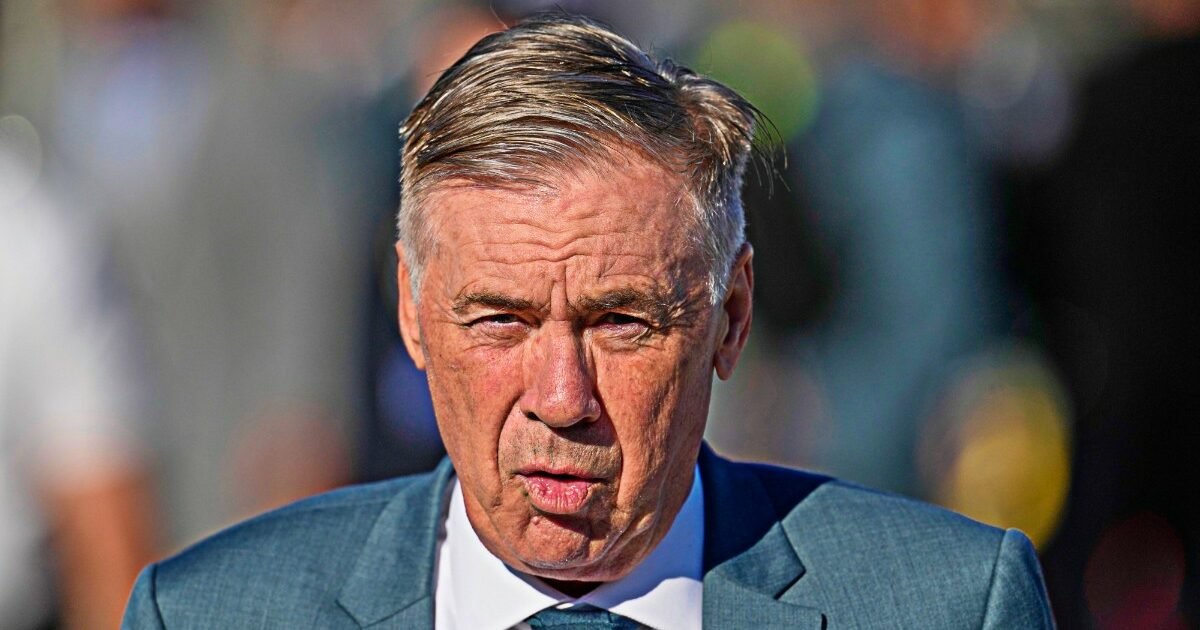
Carlo Ancelotti has publicly criticized FIFA following the conclusion of a match between Brazil and Morocco, labeling the governing body’s management of international scheduling as a “lack of respect” for players and clubs. The veteran coach, currently managing the Brazilian national team, expressed frustration regarding the physical toll and logistical strain placed on athletes during the international window, a sentiment that has sparked renewed debate over the global football calendar.
The controversy stems from the demands placed on players during the 2026 World Cup cycle, where high-stakes fixtures often follow closely after domestic league commitments. According to reporting from ANSA, the Brazilian side’s recent performance was described as “worrying” by observers, with the physical fatigue of the squad cited as a primary factor in the lackluster result. Ancelotti’s comments, which have gained significant traction in European media, underscore the widening gap between club managers and international football administrators regarding player welfare.
The Impact of the International Calendar on Player Welfare
The core of the dispute rests on the intensity of the current fixture list. Ancelotti’s critique highlights a recurring issue in modern professional football: the saturation of the calendar. By demanding peak performance in short windows, FIFA faces increasing pressure from top-tier coaches who argue that the current model prioritizes commercial interests over the physical health of the athletes. Research from the International Federation of Professional Footballers (FIFPRO) has consistently pointed to the dangers of “back-to-back” matches, which significantly increase the risk of soft-tissue injuries.
This situation is not isolated to the Brazilian squad. Across Europe and South America, club managers have voiced similar concerns regarding the “congestion” of matches, especially during qualifiers. While FIFA maintains that these windows are necessary for the integrity of global tournaments, the friction points—such as travel time, recovery periods, and the lack of training time for national team coaches—have become a source of public contention for leaders like Ancelotti.
Broadcasting and Fan Engagement Trends
While the tactical and physical debates continue, the commercial success of these events remains high. Data regarding viewership for international matches indicates that interest remains robust, even when the quality of play is scrutinized by experts. Recent figures from La Stampa highlight that international fixtures continue to draw record-breaking audiences on public networks, suggesting that while managers may be frustrated, the consumer demand for international football is currently at an all-time high.
This dichotomy between the players’ physical reality and the commercial success of the broadcasts places FIFA in a difficult position. The organization must balance the need for revenue to support global football development with the growing demand for a more sustainable schedule. As the 2026 World Cup approaches, the tension between these competing interests is expected to intensify, particularly as more high-profile managers join the call for a comprehensive review of the international calendar.
Looking Ahead: The Path to 2026
The conversation surrounding the treatment of players is unlikely to dissipate before the next World Cup cycle. With major tournaments expanding in size and frequency, the debate over “respect” for the sport’s primary stakeholders—the players—will likely serve as a defining narrative of the coming years. For fans following the progress of national teams, the coming months will be critical in determining whether FIFA adjusts its approach to scheduling.

The next major checkpoint for these discussions will be the upcoming FIFA Congress, where member federations are expected to address the feedback from team managers regarding the international window. As stakeholders prepare for these meetings, the focus remains on whether structural changes can be implemented to mitigate the risks of exhaustion and injury. We encourage our readers to join the discussion below; how should football authorities balance the commercial needs of the game with the health of the players? Share your thoughts in the comments section.
Worth a look