Fossilized Fruits Suggest Dinosaurs Helped Spread Ancient Flowering Plants
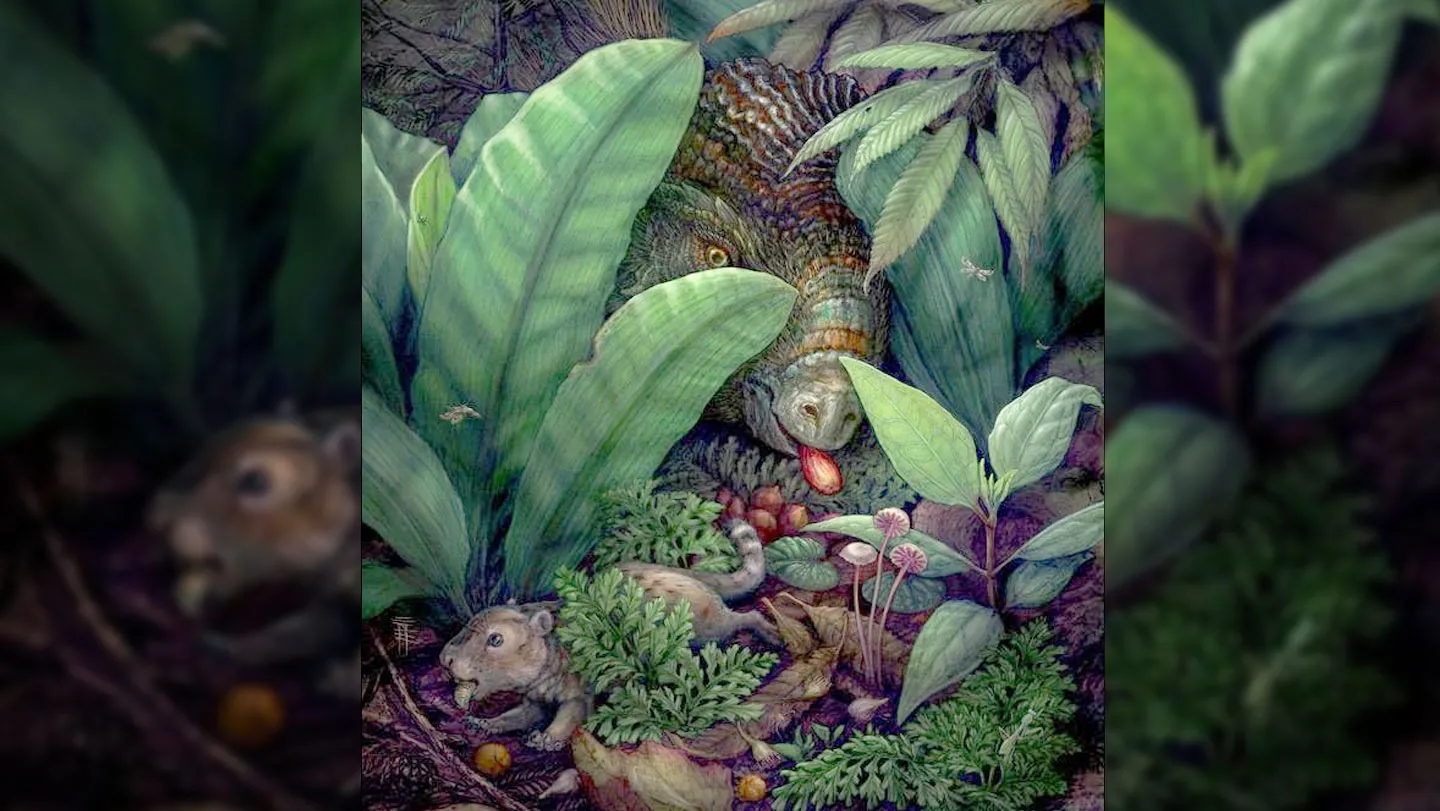
New fossilized evidence suggests that ancient flowering plants may have used dinosaurs to spread their seeds during the Cretaceous period. These findings, based on the discovery of fossilized fruits, challenge the long-held scientific belief that angiosperms relied primarily on wind for dispersal until well after the age of the dinosaurs ended.
For decades, the prevailing scientific model suggested that angiosperms—the group of plants that includes most modern flowering plants—did not utilize animals for seed dispersal until the era after the dinosaurs went extinct. However, newly analyzed fossilized fruits indicate that these plants may have already evolved complex relationships with herbivorous dinosaurs during the Cretaceous period. This shift in understanding suggests that the coevolution between plants and animals was more advanced during the Mesozoic Era than previously recorded.
How do fossilized fruits suggest dinosaur interaction?
Paleobotanists identify animal-mediated seed dispersal by examining the morphological characteristics of fossilized plant structures. According to researchers studying Cretaceous plant remains, certain fossilized fruits exhibit traits specifically adapted for ingestion by animals, a process known as endozoochory. These traits include fleshy tissues, protective seed coats, and specific fruit sizes that align with the digestive capabilities of contemporary herbivores.
The presence of these fleshy structures in the fossil record suggests that plants were investing energy into producing nutrient-rich rewards to attract consumers. In a modern context, animals eat the fruit and later deposit the seeds in new locations via their waste. Evidence from fossilized remains suggests that early angiosperms were employing this exact strategy to expand their range. Rather than relying on the randomness of wind, these plants utilized the movement of large animals to ensure their seeds reached fertile ground.
The analysis of these fossils requires high-resolution imaging to distinguish between wind-dispersed structures, such as winged seeds, and animal-targeted fruits. Researchers look for evidence of “pericarp” development—the part of the fruit that surrounds the seed. When fossilized pericarps show signs of being fleshy or succulent, it serves as a primary indicator that the plant was part of an animal-mediated dispersal system.
Why does this change our understanding of plant evolution?
This discovery necessitates a revision of the timeline regarding the Angiosperm Terrestrial Revolution (ATR). The traditional view held that the massive diversification of flowering plants and their subsequent dominance of terrestrial ecosystems occurred primarily in the wake of the Cretaceous-Paleogene (K-Pg) extinction event. Under that model, the post-dinosaur world provided the vacuum necessary for flowering plants to explode in variety and complexity.
The new evidence suggests that the “revolution” was already well underway while dinosaurs still dominated the landscape. If angiosperms were already utilizing animals for dispersal, it means the ecological complexity of the Cretaceous was higher than once thought. This implies that the relationship between plants and fauna was not a post-extinction phenomenon but a fundamental driver of biodiversity during the age of dinosaurs.
Comparing the two models highlights a significant shift in evolutionary biology:
| Feature | Traditional Evolutionary Model | New Fossil-Based Model |
|---|---|---|
| Primary Dispersal Method | Wind (Anemochory) | Animals (Endozoochory) |
| Timing of Diversification | Post-Cretaceous (after dinosaurs) | During the Cretaceous period |
| Ecological Complexity | Late-stage development | Early-stage coevolution |
| Key Biological Drivers | Environmental shifts | Plant-animal interactions |
What role did dinosaurs play in prehistoric ecosystems?
The role of dinosaurs in this process was likely centered on large-bodied herbivores. While many people associate dinosaurs exclusively with predation, the herbivorous species played a critical role in nutrient cycling and seed distribution. As these animals migrated across vast territories to find food, they acted as mobile biological agents for the plants they consumed.
The size and digestive systems of certain herbivorous dinosaurs would have been ideal for dispersing larger seeds. When a dinosaur consumed a fleshy fruit, the seeds would pass through the gut, often undergoing a period of scarification—a process where the digestive acids weaken the seed coat, potentially aiding germination. Once excreted, the seeds would be deposited in a concentrated package of organic fertilizer, providing an ideal environment for the plant to grow.
This relationship created a feedback loop. As plants evolved more attractive fruits, they could rely on a wider variety of dinosaurs for dispersal, which in turn allowed the plants to colonize new environments. This coevolutionary dance suggests that the presence of dinosaurs may have actually accelerated the success and spread of early flowering plants, rather than being a separate biological era.
What happens next for paleobotanical research?
The next phase of research involves deeper chemical and cellular analysis of fossilized organic matter. Scientists are looking to use advanced spectroscopic techniques to identify the chemical signatures of sugars and fats within fossilized fruit tissues. Confirming the presence of these nutrients would provide even stronger evidence for the intent of animal-mediated dispersal.
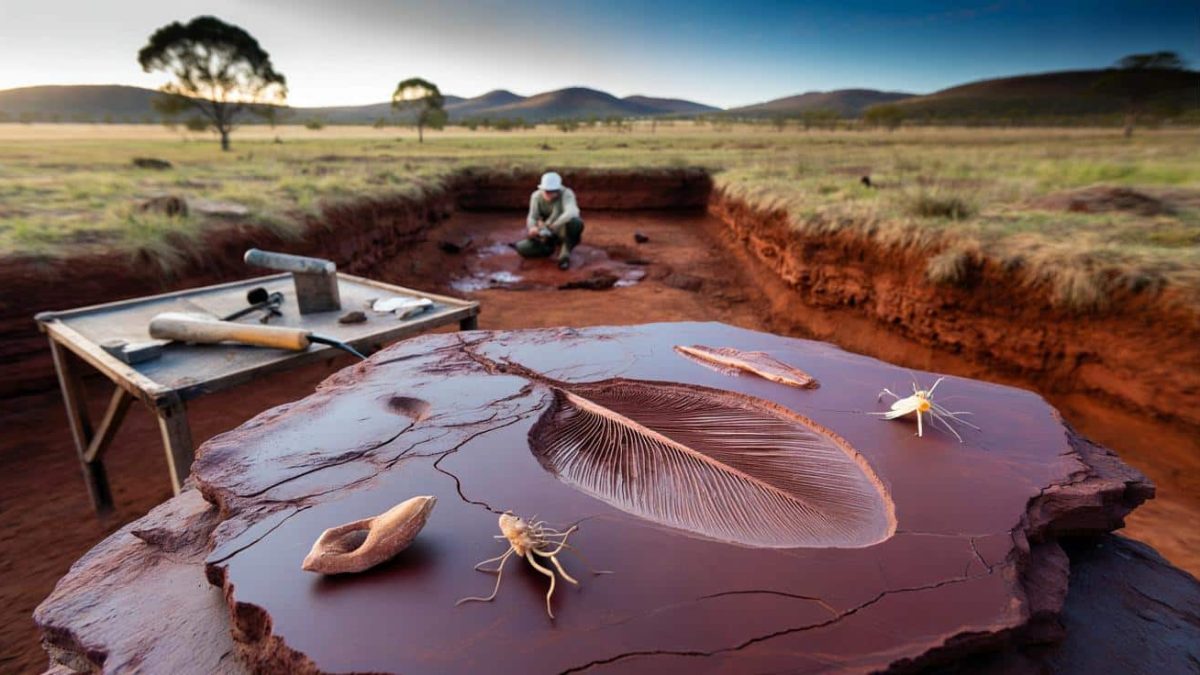
Furthermore, additional excavations in key Cretaceous fossil sites in Asia and North America are expected to yield more specimens. These new finds will help researchers determine if this dispersal method was a widespread phenomenon or limited to specific regional ecosystems. As more data becomes available, the scientific community will continue to refine the timeline of how flowering plants came to dominate the Earth.
We invite you to share your thoughts on these prehistoric ecological shifts. Do you think our understanding of dinosaur-plant relationships is fundamentally changing? Leave a comment below and share this article with your fellow science enthusiasts.