
The global scientific and public health discourse regarding harm reduction is increasingly centered on smoke-free nicotine products, as researchers and policymakers evaluate over 150 years of data on nicotine consumption. While nicotine is historically associated with the combustion of tobacco, modern medical analysis distinguishes between the addictive stimulant and the toxic byproducts created by burning organic material. According to the World Health Organization (WHO), the primary cause of tobacco-related disease is the inhalation of smoke, which contains thousands of chemicals, many of which are carcinogenic.
As the Editor of the Health section here at World Today Journal, I have tracked the evolution of tobacco control policy for over a decade. The central tension in current public health strategy is whether the long-standing stigma surrounding nicotine—largely conflated with the dangers of smoking—hinders the adoption of less harmful alternatives. Clinical data from institutions such as the UK Office for Health Improvement and Disparities indicates that while nicotine is addictive, its role in cardiovascular and respiratory disease is significantly lower than that of combustible tobacco products, which remain responsible for more than 8 million deaths annually worldwide.
Distinguishing Nicotine from Combustion
To understand the current debate, one must look at the pharmacology of nicotine versus the pathology of smoking. Nicotine is an alkaloid that acts as a stimulant on the central nervous system by binding to nicotinic acetylcholine receptors. In a clinical setting, medical professionals recognize that while nicotine carries risks—particularly for adolescents and pregnant individuals—it does not possess the same carcinogenic profile as the tar and carbon monoxide produced during combustion. The U.S. Food and Drug Administration (FDA) maintains that nicotine is the addictive component in tobacco, but it is the act of burning tobacco that creates the vast majority of the health risks associated with smoking.
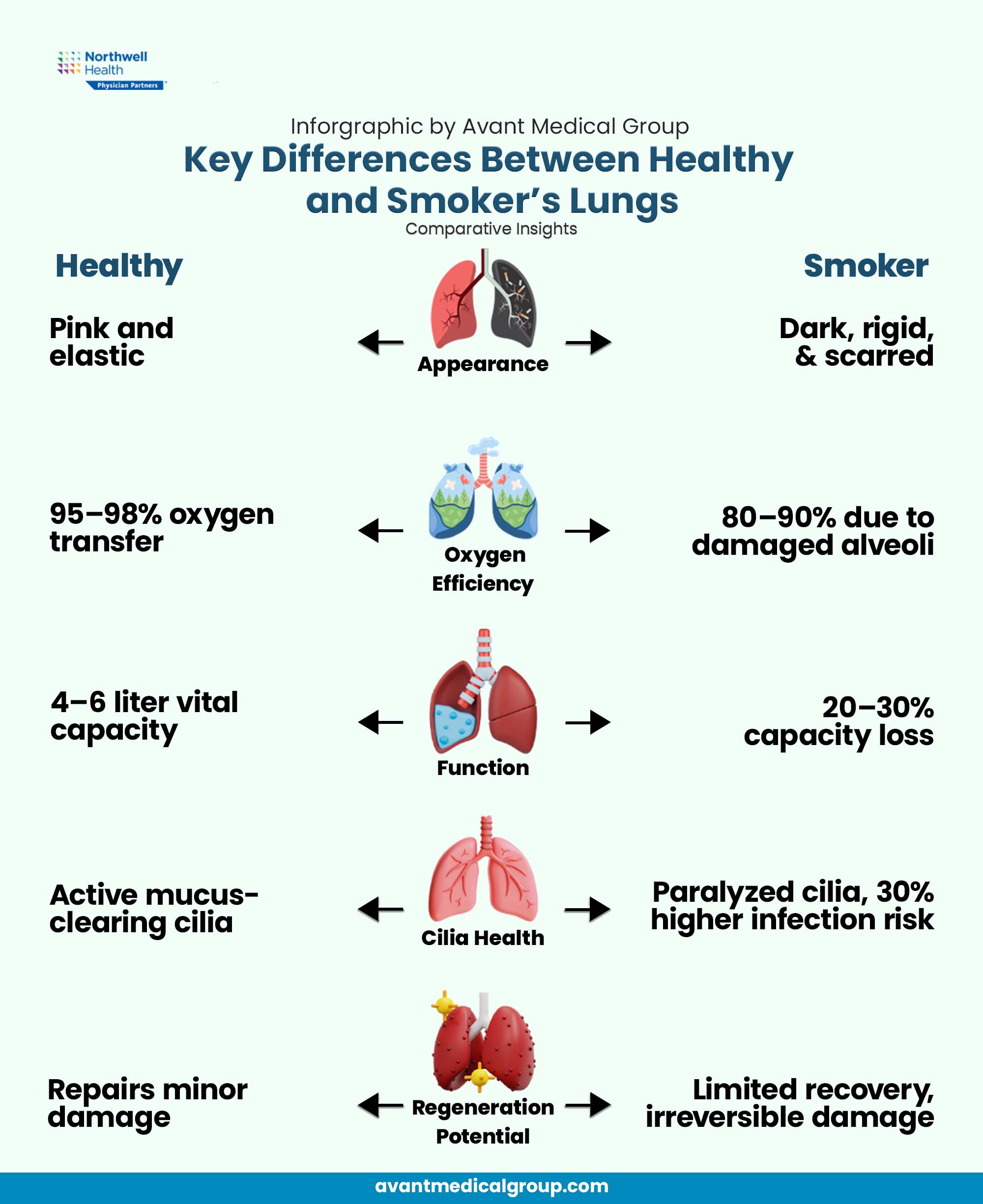
Historically, the “prejudice” against nicotine—often referred to in medical literature as the “nicotine myth”—stems from the inability of 20th-century public health campaigns to decouple the substance from the delivery system. For decades, the primary goal was total abstinence. However, the emergence of nicotine replacement therapies (NRTs) and, more recently, non-combustible nicotine delivery systems, has prompted a shift toward harm reduction strategies. This approach, supported by health authorities in nations like Sweden and the United Kingdom, prioritizes the elimination of smoke over the immediate cessation of nicotine for those who struggle to quit using traditional methods.
The Evolution of Harm Reduction Data
The argument for smoke-free products is supported by longitudinal data that spans more than a century of tobacco use patterns. In Sweden, for example, the widespread use of snus—a moist, oral tobacco product that is not smoked—has been linked to some of the lowest rates of tobacco-related mortality in Europe. According to data published in the Harm Reduction Journal, the transition from combustible cigarettes to smokeless alternatives has resulted in a measurable reduction in the incidence of lung cancer and other tobacco-related illnesses in the Swedish male population.
Critics of this approach, including various advocacy groups and some international health bodies, remain concerned about the potential for nicotine products to act as a gateway for youth. The Centers for Disease Control and Prevention (CDC) emphasizes that nicotine exposure during adolescence can harm brain development, which continues into the mid-20s. The challenge for policymakers is therefore twofold: providing adult smokers with effective tools to move away from combustion while simultaneously preventing the initiation of nicotine use among non-smokers and youth.
What the Evidence Means for Public Health
When evaluating the role of nicotine in modern medicine, experts often point to the “continuum of risk.” This framework suggests that while no nicotine product is entirely risk-free, there is a clear hierarchy of harm. At the top of this spectrum are combustible cigarettes, which are the most lethal. Further down are various smoke-free alternatives, including nicotine pouches, heated tobacco products, and medicinal-grade NRTs. The Cochrane Library, which provides gold-standard systematic reviews, has consistently found that electronic cigarettes and other nicotine-delivery systems can be effective tools for smoking cessation when used as part of a structured health program.

The shift in medical perspective requires a move away from moralizing nicotine use toward a clinical assessment of risk mitigation. For the millions of individuals currently unable to stop smoking, the availability of regulated, non-combustible options represents a potential shift in long-term health outcomes. The focus is no longer solely on the chemical itself, but on how that chemical is delivered into the body. Future policy decisions will likely depend on the ability of governments to balance the need for innovation in harm reduction with the necessity of strict regulatory oversight to protect vulnerable populations.
Looking Ahead: Regulation and Research
As the scientific community continues to gather data, the next critical checkpoint will be the upcoming review of global tobacco control frameworks by international health bodies. Researchers are currently focusing on the long-term cardiovascular effects of non-combustible nicotine use, with studies expected to conclude within the next 24 to 36 months, as noted by the National Cancer Institute. These findings will be essential for refining clinical guidelines and public health messaging.
If you have questions about current harm reduction strategies or wish to share your perspective on the evolving landscape of tobacco policy, please join the conversation in the comments section below. We value your input on how these medical advancements affect your community.