
Astronomers have determined that the interstellar comet 2I/Borisov, which transited through our solar system in 2019, likely originated from a star system between 10 and 12 billion years ago. This finding, based on an analysis of the object’s chemical composition and its trajectory, suggests that the comet is a remnant from a much older epoch of stellar evolution than our own 4.6-billion-year-old solar system, according to research published in Nature Communications.
The study, led by researchers at the European Southern Observatory (ESO), utilized data from the Very Large Telescope to analyze the dust grains trailing the comet. By observing the light polarization and the sublimation of volatile materials, scientists confirmed that 2I/Borisov is remarkably pristine, having remained largely unchanged since its formation in the cold, outer reaches of its home system. This classification as an interstellar visitor—the second ever detected after ‘Oumuamua—provides a rare opportunity to study the building blocks of planetary systems beyond our own.
Origins of the Interstellar Traveler
2I/Borisov was first detected by amateur astronomer Gennadiy Borisov in August 2019. Its high orbital eccentricity, measured at approximately 3.3, confirmed that it was not gravitationally bound to our Sun, marking it as a true interstellar object, as detailed in reports from the National Aeronautics and Space Administration (NASA). Unlike ‘Oumuamua, which appeared as a small, featureless object, 2I/Borisov exhibited the classic coma and tail structure of a traditional comet, allowing for more detailed spectroscopic analysis.
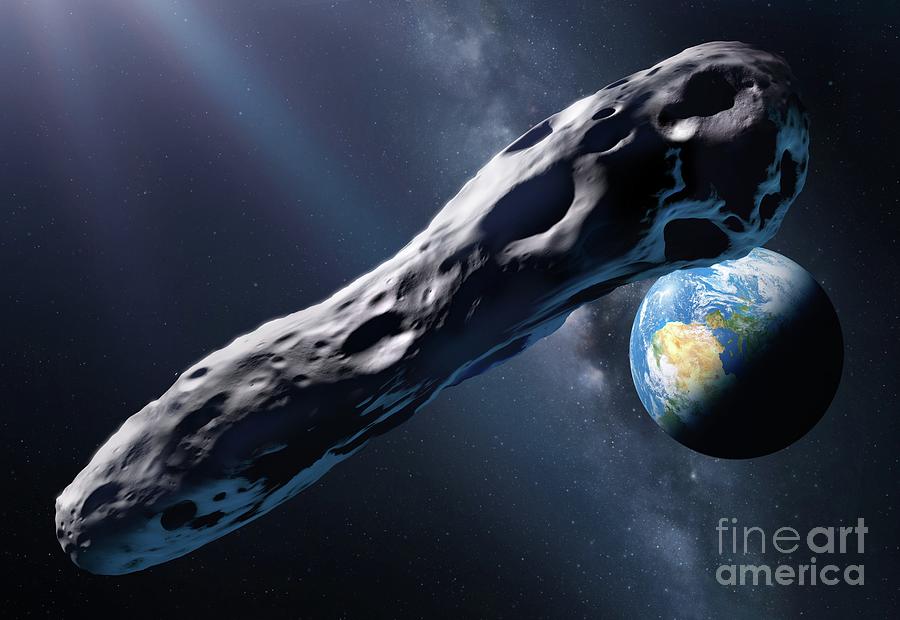
The age estimate of 10 to 12 billion years places the birth of 2I/Borisov in the early universe, a timeframe significantly predating the formation of the Milky Way’s current spiral structure as we recognize it. Researchers believe the comet was likely ejected from its parent system due to gravitational interactions with a gas giant planet. This process, often referred to as “planetary scattering,” is a common phenomenon in star formation, where icy bodies are flung into interstellar space, effectively becoming nomadic entities that drift between galaxies for eons.
Chemical Composition and Pristine State
The chemical signature of 2I/Borisov provides a window into the conditions of the early universe. Observations revealed high concentrations of carbon monoxide and hydrogen cyanide, substances that are typically found in the cold, dense regions of protoplanetary disks. According to a study in Nature Astronomy, the ratio of these gases suggests that the comet formed in a region significantly colder than the environments where most known comets in our solar system originated.
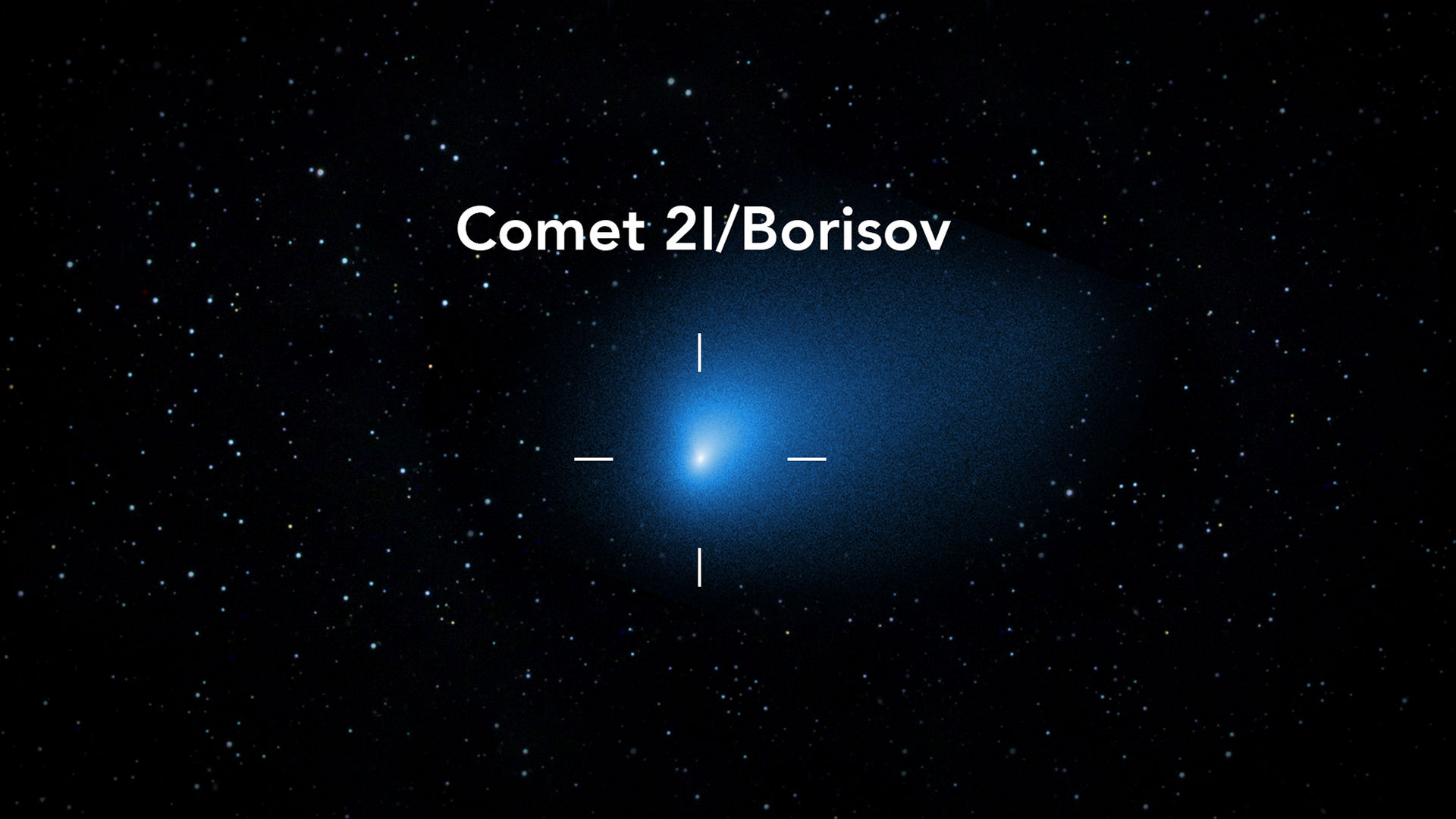
Because 2I/Borisov spent the vast majority of its existence in the near-absolute zero temperatures of interstellar space, it has avoided the thermal processing that impacts comets closer to stars. This “pristine” status makes it a primary subject for understanding the chemical diversity of exoplanetary systems. Scientists note that the object’s makeup is surprisingly similar to that of comets found in the Oort Cloud of our own solar system, implying that the mechanisms of comet formation may be universal across different galactic neighborhoods.
Why 2I/Borisov Matters for Future Research
The study of interstellar objects like 2I/Borisov is crucial for refining our models of how planetary systems evolve. By comparing the isotopic ratios found in the comet’s tail to those found on Earth or in the Kuiper Belt, astronomers can determine how common the ingredients for life—such as water and organic molecules—are throughout the cosmos. As noted by the European Space Agency (ESA), the discovery confirms that interstellar space is likely populated by a vast number of these objects, most of which remain undetected due to their small size and dim light profiles.
Future missions, such as the upcoming Comet Interceptor project, aim to capture data from a long-period comet or an interstellar object as it enters the inner solar system. These efforts represent a shift in focus from merely observing objects that orbit our Sun to actively intercepting “visitors” that carry the history of distant stars. By studying these ancient relics, the scientific community expects to gain a better understanding of the chemical enrichment of the galaxy and the prevalence of planetary systems that share similar characteristics to our own.
What Happens Next?
While 2I/Borisov has long since exited our solar system, the data collected during its 2019-2020 transit continues to inform ongoing research. Astronomers are currently using the archived datasets to build a more comprehensive catalog of interstellar objects, which will assist in identifying future candidates using the Vera C. Rubin Observatory, expected to begin full operations in the coming years. The ability to identify these objects earlier in their trajectory will allow for longer observation windows and more precise measurements of their composition and origin.

Readers interested in following developments regarding interstellar visitors can monitor official updates from the Minor Planet Center, which tracks the orbits of small bodies within the solar system. As our detection technology improves, the frequency of these discoveries is expected to increase, providing further evidence of the dynamic nature of our galaxy. We encourage readers to share their thoughts on the implications of these ancient visitors in the comments section below.