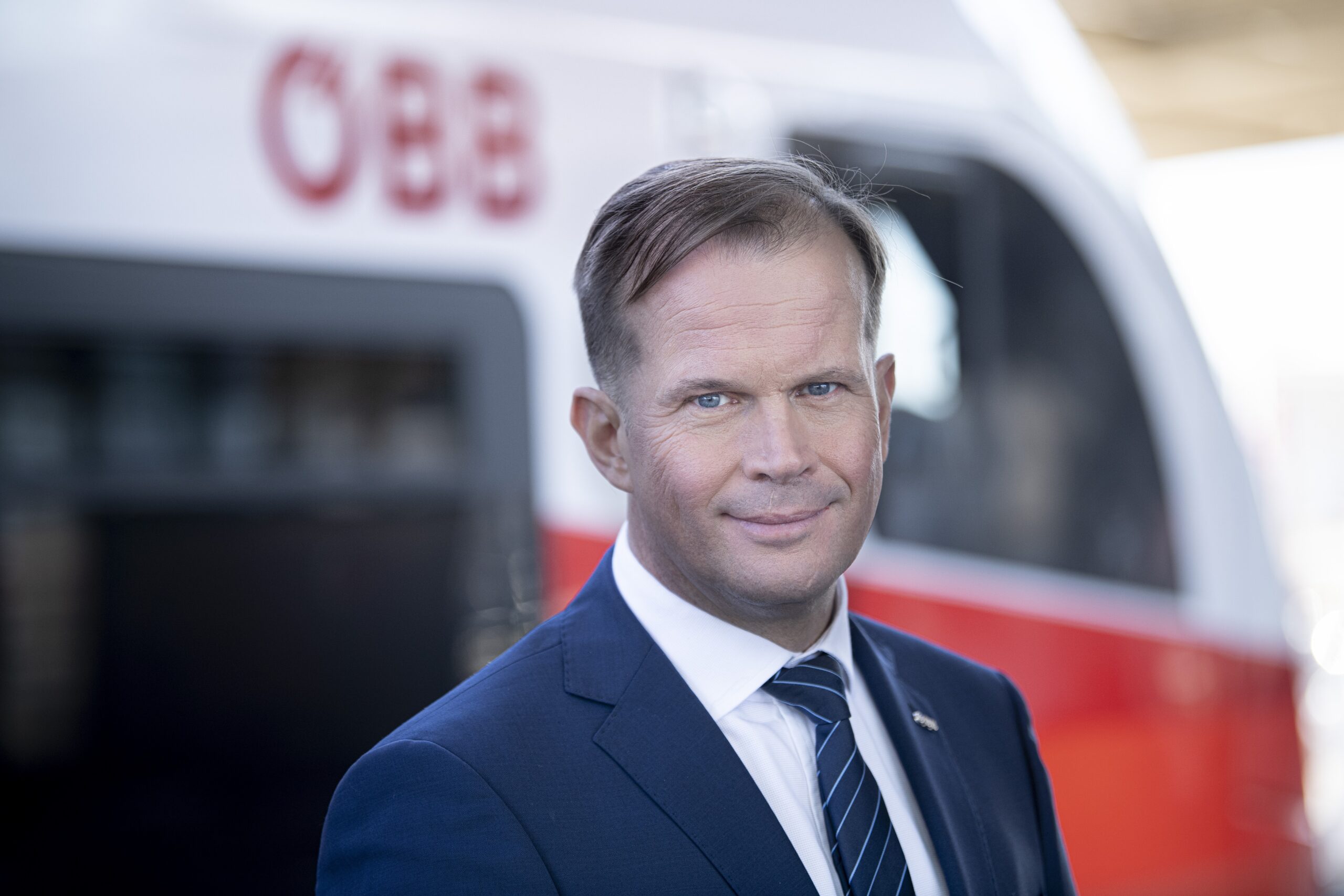
Klaus Garstenauer, a long-serving member of the management board at Austrian Federal Railways (ÖBB), will depart the company at the end of 2024. The transition marks a significant shift in the leadership of the state-owned rail operator, as the company navigates ongoing infrastructure modernization and shifting European transit demands.
According to the official press statement released by ÖBB, Garstenauer’s departure is by mutual agreement. He has served as the board member responsible for passenger transport since 2019, overseeing key initiatives in rail connectivity and service expansion across Austria and its neighboring markets. The supervisory board of ÖBB-Personenverkehr AG has already initiated the search for his successor to ensure continuity in operations.
Leadership Transition at ÖBB-Personenverkehr
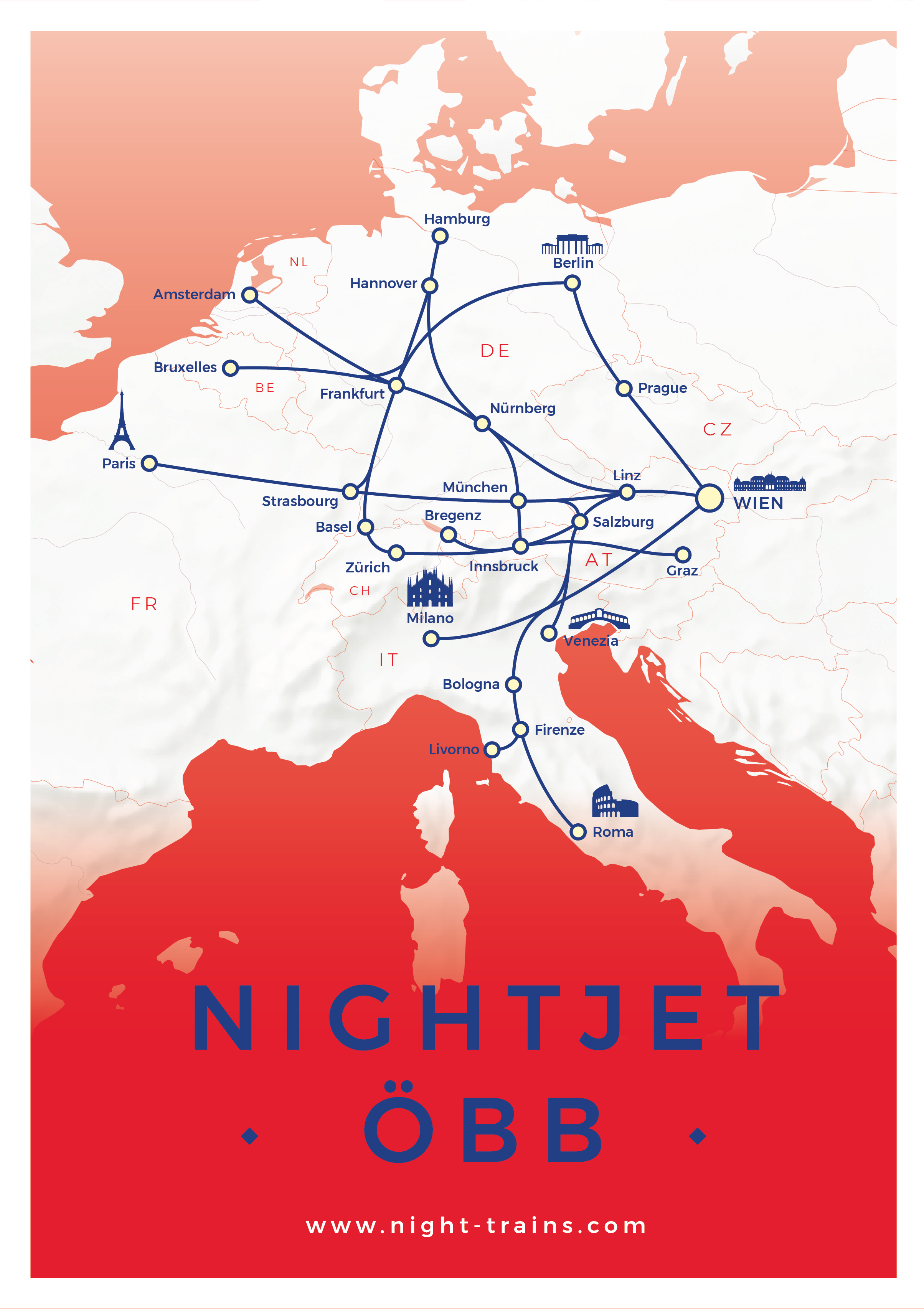
Garstenauer’s tenure has been defined by a focus on increasing the attractiveness of rail travel in the face of rising competition from road and air transport. During his time at the helm of the passenger division, the company invested heavily in the expansion of the Nightjet network, a project aimed at revitalizing cross-border sleeper train services across Europe. His exit comes at a time when the Austrian rail provider faces pressure to meet strict European Union climate targets through increased modal shifts toward sustainable transport, as outlined in the Trans-European Transport Network (TEN-T) policy framework.
The supervisory board, chaired by Andrea Reithmayer, expressed gratitude for Garstenauer’s contributions to the company’s growth. In professional financial circles, his departure is viewed as the conclusion of a chapter that saw significant digitalization of ticketing systems and the procurement of the new Railjet generation. Stakeholders are now monitoring the recruitment process, as the incoming board member will be tasked with managing a multi-billion euro investment program aimed at upgrading rolling stock and station facilities through 2030.
The Impact of Executive Changes on Rail Strategy
The departure of a C-suite executive in a major infrastructure entity like ÖBB often signals a pivot in strategic priorities. While the company has maintained that its long-term goals remain unchanged, industry analysts are watching to see if the new leadership maintains the aggressive expansion of the Nightjet fleet or if the focus shifts toward domestic commuter efficiency. The Austrian Ministry for Climate Action, Environment, Energy, Mobility, Innovation and Technology (BMK) maintains a central role in overseeing rail infrastructure policy, and the appointment of the next board member will likely require alignment with the ministry’s overarching environmental goals.
Garstenauer’s career in the rail sector spans several decades, including roles in logistics and international freight before his appointment to the board of the passenger division. His departure follows a period of record passenger numbers for the rail operator, which has benefited from the national “Klimaticket” initiative, a subsidized annual pass that has significantly boosted rail ridership across the country since its introduction in 2021, according to data from the Austrian Federal Ministry for Climate Action.
What Happens Next for Austrian Rail Operations
The immediate operational focus for ÖBB remains the completion of the Koralm Railway and the Semmering Base Tunnel, two of the largest infrastructure projects in Austrian history. These projects are intended to reduce travel times between major hubs like Vienna, Graz, and Klagenfurt. The transition in the passenger transport board is not expected to delay these construction timelines, as these projects are managed by the infrastructure subsidiary of the ÖBB group, rather than the passenger transport board directly.
The selection process for the new board member is expected to conclude in the coming months, with the supervisory board aiming to announce a successor before the end of the year to prevent a leadership vacuum. Industry observers suggest that the new appointee will need to balance the rising costs of energy and labor against the political mandate to keep ticket prices affordable for the public. As of the latest update, there has been no formal announcement regarding Garstenauer’s future professional plans.
Updates regarding the executive board composition will be published on the official ÖBB press portal. We invite our readers to share their perspectives on the future of European rail travel in the comments section below.
Related reading