Ancient Fragment Reveals Royal Correspondence Between Judah and Assyria
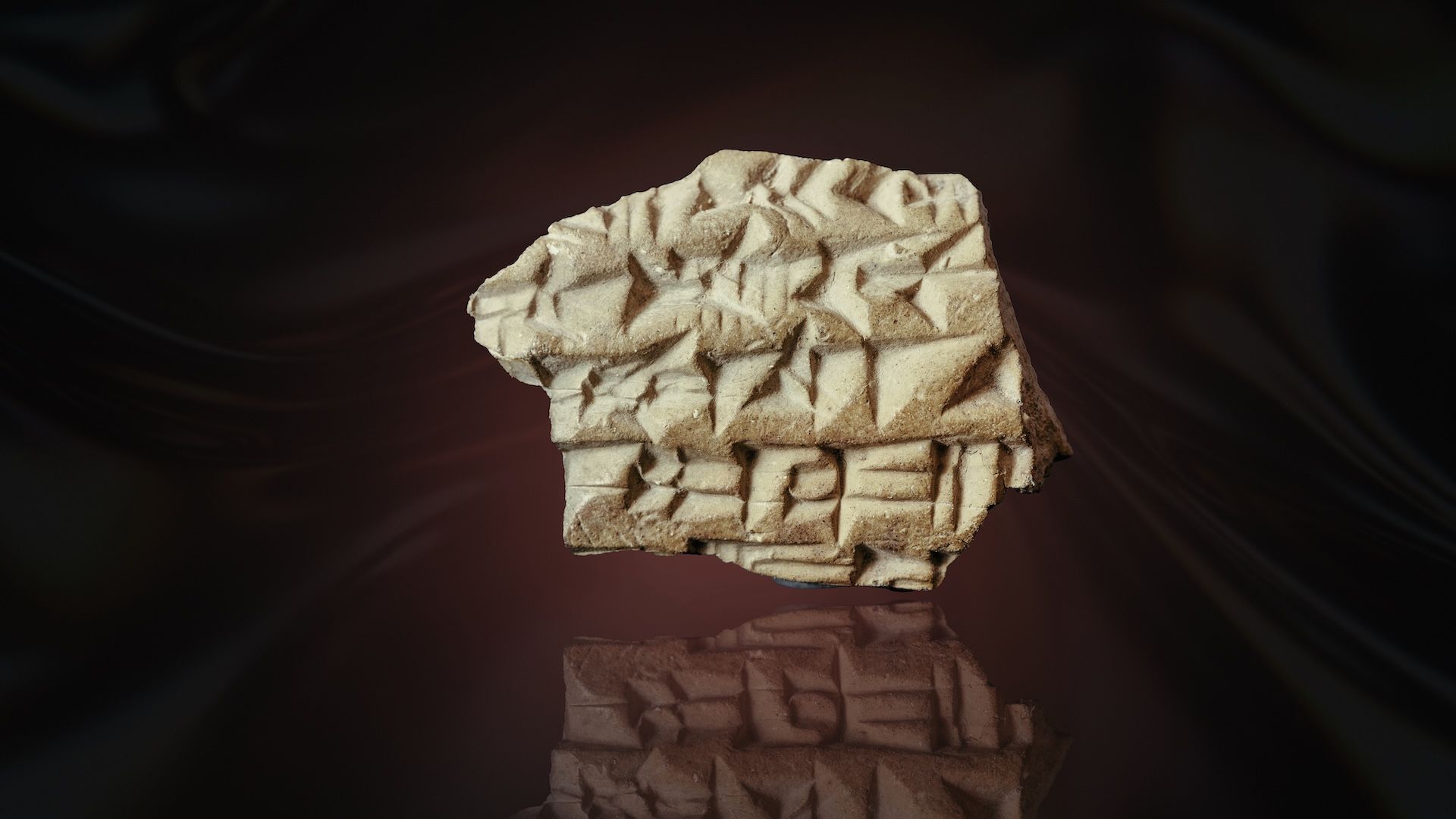
An unassuming shard of pottery, unearthed during excavations near Jerusalem’s City of David, is offering a remarkable glimpse into the complex relationship between the ancient Kingdom of Judah and the mighty Assyrian Empire. The fragment, a piece of an Assyrian bulla (seal), bears a cuneiform inscription hinting at a royal message concerning a delayed payment – a discovery that sheds new light on the political dynamics of the time.
(Image credit: Shai Halevi,Israel Antiquities Authority)
The find,announced by the Israel Antiquities Authority (IAA),represents the first direct evidence of official dialogue between Jerusalem and the Assyrian superpower during the 8th-7th centuries BCE. This period saw Judah navigate a precarious existence as a vassal state under assyrian rule.
A Glimpse into assyrian Bureaucracy
The bulla itself wasn’t the message, but rather the seal used to secure a written dispatch.According to IAA researchers Dr. Zilberg and Dr. Vukosavović, these bullae were typically impressed wiht a seal and frequently enough included a brief inscription detailing the message’s contents or destination.
this particular inscription references a deadline – the first of av, a month in both the Jewish and Mesopotamian calendars – and mentions a “chariot officer.” This official’s role is well-documented in Assyrian records, indicating they were responsible for conveying royal communications.
* What dose this tell us? The presence of these details strongly suggests the correspondence originated from the Assyrian court and was directed towards a high-ranking official in Judah.
Who Was the Message For?
While the king of judah isn’t explicitly named in the inscription, researchers believe the message was likely addressed to the court of one of three rulers:
* hezekiah: ruled Judah during a period of Assyrian pressure.
* Manasseh: Known for his long reign and complex relationship with Assyria.
* Josiah: Reigned when Judah was firmly established as an Assyrian vassal state.
the reason for the delayed payment remains unclear. However, Zilberg and vukosavović suggest the demand, whether a simple oversight or a intentional act, points to potential friction between Judah and Assyria.
“The very existence of such an official appeal would seemingly attest to a certain point of friction between Judah and the imperial government,” they explained.
Origin of the Fragment: A Journey from Assyria
Interestingly, the pottery shard wasn’t locally made. Petrographic analysis conducted by Anat Cohen-Weinberger of the IAA revealed its mineral composition aligns with cities within the Assyrian kingdom, specifically Nineveh.
Further chemical analysis is underway to pinpoint the exact origin of the sherd. This detail underscores the direct link between the artifact and the Assyrian administration.
Why This Discovery Matters
This seemingly small fragment holds significant historical weight. It provides tangible evidence of the administrative and political ties that bound Judah to Assyria.
* A Unique Find: This is the first of its kind, offering direct insight into the official – and potentially tense – communication between Jerusalem and the dominant world power of the time.
* Understanding the Past: The discovery allows you to better understand the complexities of life in the ancient Near East, and the challenges faced by smaller kingdoms under the shadow of larger empires.
As research continues, this tiny piece of pottery promises to reveal even more about the intricate relationship between Judah and Assyria, offering a valuable window into a pivotal period in history.
Resources:
* Israel Antiquities Authority
* anat Cohen-Weinberger Academia.edu Profile
Related reading