
The intersection of celebrity influence and high-end real estate has once again centered on Amsterdam’s historic canal belt. André van Duin, one of the Netherlands’ most enduring comedians and presenters, has officially listed his prestigious residence on the Keizersgracht for €6 million. The move signals not only a personal transition for the entertainer but also serves as a benchmark for the valuation of “trophy assets” within the city’s UNESCO-protected center.
The property, a sprawling canal house that blends historic architectural significance with bespoke luxury, represents a significant capital gain for van Duin. The listing comes as the entertainer prepares to shift his primary residence to Laren, a village known for its affluent population and proximity to major media hubs. This transition reflects a broader trend among high-net-worth individuals in the Netherlands who are trading the vibrancy of the urban core for the privacy and space of the Gooi region.
For market analysts, the pricing of the Keizersgracht property highlights the extraordinary resilience of the Amsterdam luxury market. The home’s history—transitioning from a functional financial institution to a private sanctuary—mirrors the gentrification and residential conversion of the canal district over the last several decades. The property is not merely a residence but a curated gallery of van Duin’s storied career, featuring a private café, a jukebox, and a replica of Rembrandt’s “The Night Watch.”
The Valuation Journey of a Canal Icon
The financial trajectory of the property provides a stark illustration of the appreciation of prime Amsterdam real estate. Van Duin acquired the Keizersgracht residence in 2003 for €1.5 million. In the two decades since, the property has seen its value quadruple, reflecting the global demand for limited-supply housing in the Amsterdam Canal Ring, where zoning laws and heritage protections strictly limit new development.
This is not the first time the property has been tested against the market. In 2020, van Duin listed the home for €5 million but ultimately withdrew the listing. At the time, the decision was driven by a desire to remain within the city’s cultural heart. However, the current asking price of €6 million suggests a renewed confidence in the luxury sector’s growth and a shift in the owner’s personal priorities.
From an economic perspective, the jump from €5 million to €6 million over six years represents a steady appreciation that aligns with the scarcity value of the Keizersgracht. Properties in this specific corridor are often viewed as “safe haven” assets, similar to prime real estate in London’s Mayfair or New York’s Upper East Side, where value is derived less from utility and more from prestige and historical rarity.
From Banking Hall to Luxury Residence
The architectural narrative of the home is as compelling as its financial one. Originally serving as a bank, the structure possesses the high ceilings and open floor plans characteristic of early 20th-century financial institutions. Van Duin oversaw a comprehensive conversion to transform the sterile, professional environment into a luxury home that reflects his personality and achievements.

The interior is designed to showcase a lifetime of success in the entertainment industry. Notable features include a dedicated space for his collection of gold records, emphasizing his impact on Dutch music and comedy. The inclusion of a private café and a jukebox transforms the residence into a social hub, while the replica of “The Night Watch” anchors the home in the artistic tradition of the city.
Such conversions—turning commercial heritage sites into residential masterpieces—are highly prized in the Amsterdam market. The “bank-to-home” transition allows for a sense of scale and grandeur that is rarely found in standard canal houses, which are often characterized by narrow footprints and steep staircases. This specific layout increases the property’s appeal to international buyers seeking “statement” homes.
The Strategic Shift to Laren
The decision to sell the Amsterdam property is tied to a strategic relocation to Laren. The move is largely motivated by professional proximity and a desire for a different pace of life. Van Duin has long maintained a presence in Laren, where he owned an apartment to facilitate his work with Omroep MAX, the Dutch public broadcasting organization catering to older audiences.
To establish a permanent footprint in the village, van Duin has expanded his holdings in Laren. Earlier this year, he purchased the property adjacent to his existing apartment. The objective is to merge these two units into a single, expansive penthouse. This move effectively trades the prestige of the Keizersgracht for the exclusivity and tranquility of Laren, which is widely regarded as one of the most expensive residential areas in the Netherlands outside of the major cities.
This migration from the city center to the periphery is a common pattern among established public figures. As the density and tourist traffic of Amsterdam’s center increase, the appeal of the “country estate” lifestyle—while remaining within commuting distance of the city’s media infrastructure—becomes more attractive.
Economic Analysis: The Allure of the Grachtengordel
As a financial journalist and economist, the sale of a property like this does more than just move a celebrity; it provides a data point for the broader Dutch economic landscape. The Amsterdam canal belt operates on a logic of extreme scarcity. Because the city cannot grow “outward” in the center due to the water and “upward” due to strict height restrictions, the only way for value to increase is through the appreciation of existing footprints.
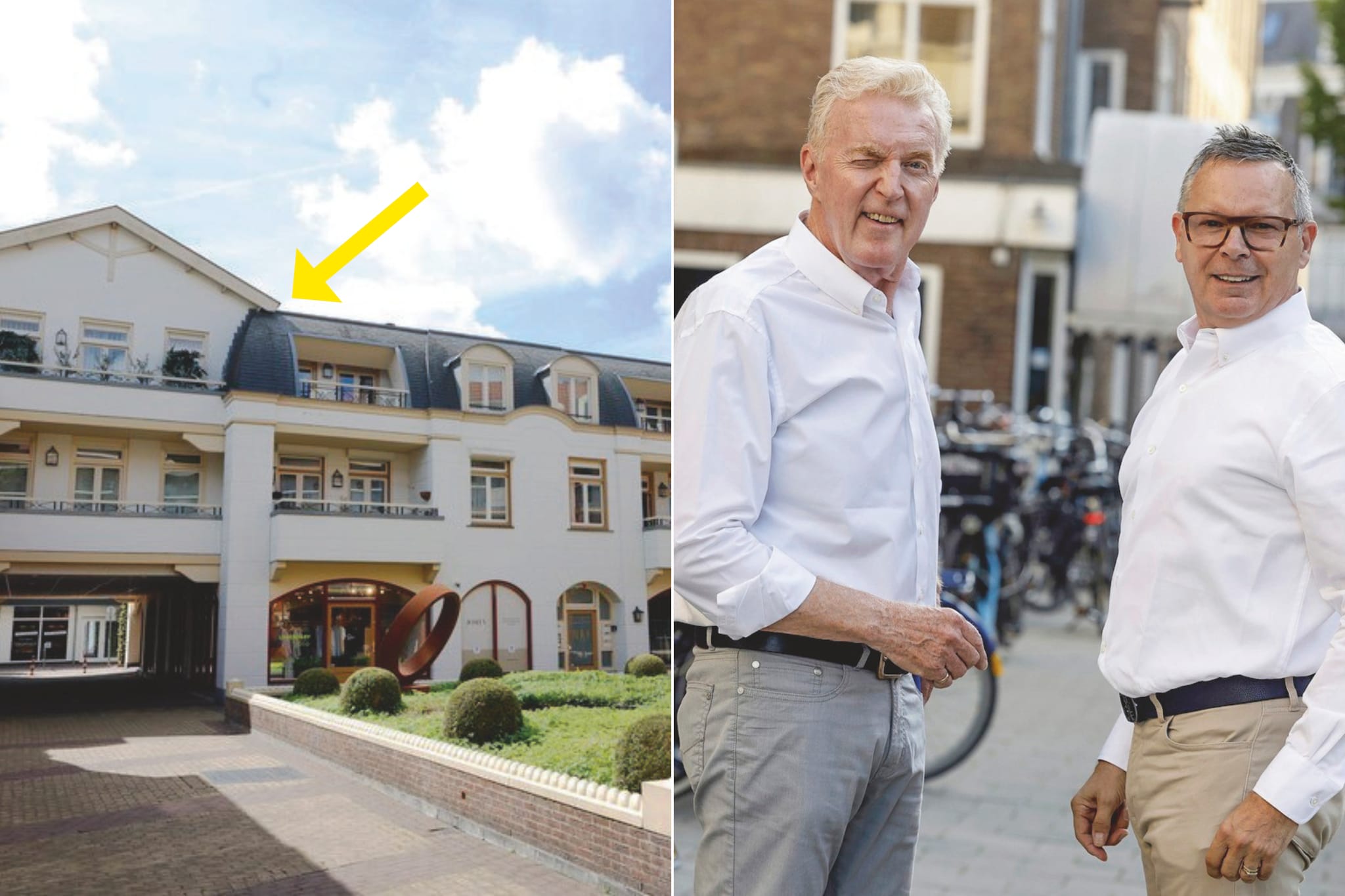
The €6 million price tag is a reflection of several intersecting factors:
- Heritage Premium: The historical value of the Keizersgracht adds a non-tangible premium that transcends the actual square footage of the home.
- Conversion Value: The effort required to convert a commercial bank into a habitable luxury home adds significant value, as the “heavy lifting” of permits and structural changes has already been completed.
- Celebrity Provenance: While not always a primary driver, the fact that the home was owned and curated by a cultural icon like André van Duin can attract specific buyers interested in the home’s story.
the shift toward Laren highlights the resilience of the “wealth belt” in the Gooi region. By consolidating two properties into one penthouse, van Duin is engaging in a form of real estate optimization, maximizing his living space while maintaining a high-value asset in a stable market.
The broader implication for the Amsterdam market is that demand for ultra-luxury, historic properties remains robust despite global economic volatility. When a property of this caliber enters the market, it typically attracts not only domestic buyers but also international investors seeking a foothold in one of Europe’s most stable and prestigious real estate environments.
The next confirmed milestone for this property will be the conclusion of the sale process and the official transfer of the deed. Potential buyers will likely be scrutinized for their ability to maintain the historical integrity of the building, as required by city ordinances.
Do you think the trend of celebrities moving from urban centers to luxury suburbs will accelerate in the coming years? Share your thoughts in the comments below.