
The image of the lone, hooded hacker operating from a basement is largely a relic of the past. In 2026, the underground economy of the dark web has evolved into a sophisticated, commoditized marketplace where cyberattacks are sold as professional services. From “booter” sites that offer temporary website shutdowns to high-end “Initial Access Brokers” who sell keys to corporate kingdoms, the barrier to entry for launching a cyberattack has never been lower.
This shift toward “Cybercrime-as-a-Service” (CaaS) means that individuals with no technical expertise can now purchase destructive capabilities for the price of a monthly streaming subscription. For businesses and individuals, this democratization of digital weaponry increases the volume of threats, as the financial incentive for attackers is now decoupled from their actual technical skill.
Understanding the current cost to hire a hacker on the dark web is not about enabling these activities, but about understanding the threat landscape. When the cost of an attack drops below the cost of basic security hygiene, the risk profile for every connected entity changes. The current market operates on a tiered system, ranging from low-cost automated nuisances to bespoke, high-stakes corporate espionage.
The Low-End Market: Automated Nuisances and Account Takeovers
At the bottom of the dark web hierarchy are the automated services. These are often marketed to teenagers or disgruntled individuals looking for “revenge” or minor disruption. The most common of these are Distributed Denial of Service (DDoS) attacks, often sold through “booter” or “stresser” services. Depending on the duration and intensity of the attack, these services can cost as little as $5 to $50 for a few hours of downtime for a small website.
Beyond DDoS, the market for stolen accounts remains highly liquid. Access to streaming services or low-tier social media accounts often sells for pennies. However, more targeted account takeovers—such as those involving gaming accounts with rare assets or aged social media profiles used for disinformation—can fetch between $10 and $100. These transactions are typically handled via automated vending carts, requiring no direct interaction with a human hacker.
The Data Economy: The Price of ‘Fullz’ and Financial Records
The dark web’s most consistent revenue stream is the sale of stolen data. In the industry, a complete set of a victim’s personally identifiable information (PII)—including name, Social Security number, date of birth, and address—is known as “Fullz.” The price of Fullz varies based on the “freshness” of the data and the creditworthiness of the victim. High-quality profiles can range from $10 to $100 per record.
Financial data is priced with similar granularity. Stolen credit card numbers with accompanying CVV codes are often sold in bulk. While a low-limit card might sell for $1 to $5, cards known to have high credit limits or those associated with corporate accounts can command significantly higher prices. According to data trends tracked by the FBI’s Internet Crime Complaint Center (IC3), the scale of these thefts continues to drive the volume of identity theft reports globally.
High-Stakes Access: Initial Access Brokers and RaaS
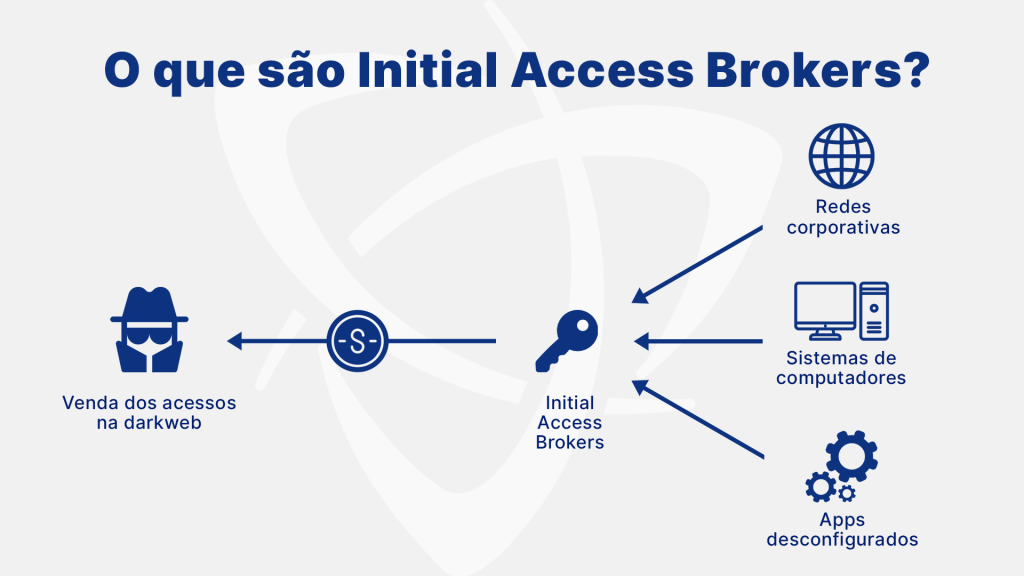
The most dangerous segment of the dark web economy involves Initial Access Brokers (IABs). These specialists do not necessarily carry out the final attack; instead, they find a vulnerability in a company’s network, gain entry, and then sell that “access” to the highest bidder. The price for this access is tied directly to the size and revenue of the target organization. Access to a small business network might sell for a few hundred dollars, while access to a Fortune 500 company can reach tens of thousands of dollars.
Once access is sold, This proves frequently used by Ransomware-as-a-Service (RaaS) operators. In the RaaS model, a developer creates the ransomware strain and provides the infrastructure, while an “affiliate” carries out the actual deployment. The financial arrangement is typically a percentage split: the affiliate may keep 70% to 80% of the ransom payment, while the developer takes a 20% to 30% cut for providing the software. This partnership allows developers to scale their reach without having to perform the tedious work of infiltrating networks themselves.
The Buyer’s Risk: Scams and Double Extortion
Despite the perceived efficiency of these marketplaces, the dark web is rife with fraud. A significant percentage of “hackers for hire” are themselves scammers. These individuals take payment—usually in cryptocurrency like Bitcoin or Monero—and then vanish, or provide “proof” of a hack that is entirely fabricated. Because these transactions are illegal, victims have no legal recourse to recover their funds.
those who hire hackers often find themselves targeted by the remarkably people they employed. “Double extortion” is a common tactic where a hired hacker completes the task but then threatens to leak the evidence of the hiring—or the stolen data itself—unless the client pays an additional “silence fee.” This creates a cycle of vulnerability where the buyer becomes the next victim.
Protecting Against the Commoditized Threat
Because the cost of initiating an attack has plummeted, organizations can no longer rely on the assumption that they are “too small to be targeted.” Automated scanners are constantly searching for known vulnerabilities to feed the IAB market. The most effective defense is no longer just a firewall, but a strategy of “defense in depth.”
Security professionals recommend several non-negotiable steps to mitigate these risks:
- Multi-Factor Authentication (MFA): Implementing robust MFA, particularly hardware-based keys, nullifies the value of stolen passwords sold on the dark web.
- Patch Management: IABs rely on unpatched software. Keeping systems updated closes the doors they seek to open.
- Employee Training: Phishing remains the primary entry point for most high-end attacks. Regular training reduces the likelihood of a successful breach.
- Monitoring: Utilizing services that monitor the dark web for leaked corporate credentials can allow companies to reset passwords before an attacker can use them.
For official guidance on defending against ransomware and other systemic threats, the CISA StopRansomware initiative provides comprehensive resources and alerts for both government and private sector entities.
The next major checkpoint for global cybersecurity policy will be the upcoming review of international cyber-crime treaties scheduled for late 2026, which aims to harmonize the extradition and prosecution of CaaS operators across borders.
Do you believe current security measures are keeping pace with the falling cost of cyberattacks? Share your thoughts in the comments below or share this analysis with your IT team.