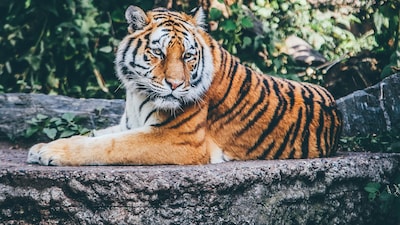
The discovery of a deceased adult tiger in the lush landscapes of Goa has sparked a focused investigation by state wildlife authorities, who are currently weighing the likelihood of a natural predator conflict over the possibility of human interference. The animal’s carcass was found in a state of decomposition, leading to a complex forensic challenge in determining the exact cause of death.
According to official statements, the tiger was located near the Goa-Karnataka border, a region known for its dense forests and as a corridor for wildlife moving between the two states. While the initial sight of the remains raised concerns about illegal poaching—a persistent threat to big cats across South Asia—state officials have moved quickly to provide an alternative explanation based on preliminary observations of the carcass.
The incident has drawn significant attention to the fragile balance of the Western Ghats ecosystem, where apex predators like the tiger must navigate increasingly fragmented habitats. As the Goa Forest Department conducts its probe, the case highlights the unexpected dangers that even the world’s largest cat faces from smaller, opportunistic predators when weakened or injured.
Discovery Near the Goa-Karnataka Border
The remains of the adult tiger were discovered on May 2 in Sakkordem village, situated in the Kushavati region of Goa. The location is of particular ecological importance, as it lies in close proximity to the Government of Goa’s protected areas, specifically near the Bhagwan Mahavir Sanctuary in Mollem. This region serves as a vital transit point for tigers roaming between the forests of Karnataka and the sanctuary zones of Goa.
Reports indicate that the tiger’s body was found in an advanced stage of decomposition. One of the most striking details noted by the recovery team was the absence of the animal’s claws and teeth. In wildlife forensics, the removal of such parts is often a red flag for poaching, as these elements are highly valued in illegal wildlife trade markets. However, officials are now considering whether these parts were lost to natural scavenging processes following the animal’s death.
The proximity to the border suggests that the tiger may have been a transient individual moving through the corridor. Such movements are common as tigers seek new territories or mates, but they also expose the animals to hazards outside the core protected zones of the sanctuaries.
Minister Vishwajit Rane Rules Out Poaching
Vishwajit Rane, the Minister for Forests in Goa, has addressed the incident, explicitly ruling out poaching as the primary cause of death based on the current evidence. In his assessment, the Minister stated that the evidence points toward the tiger being killed by wild dogs rather than by hunters.
The theory that a pack of wild dogs could bring down a tiger—an apex predator—may seem counterintuitive. However, wildlife experts note that if a tiger is already sick, elderly, or severely injured, a coordinated attack by a pack of feral or wild dogs can be lethal. In such scenarios, the dogs use “attrition” tactics, wearing down the larger animal through repeated nips and harassment until it collapses from exhaustion or blood loss.
Minister Rane’s dismissal of poaching is a significant detail, as it shifts the narrative from a criminal investigation into a biological one. Nevertheless, the Minister has confirmed that the state is not leaving the matter to chance; a formal investigation has been ordered to scientifically verify the cause of death and ensure that no illegal activity was overlooked.
Forensic Investigation and Next Steps
To move beyond preliminary theories, the Goa Forest Department has ordered a comprehensive necropsy and forensic analysis of the remains. The investigation aims to answer several critical questions: whether the tiger suffered from an underlying illness, if there were signs of struggle consistent with a canine attack and why the teeth and claws were missing.
The process of analyzing a decomposed carcass is notoriously difficult. Forensic pathologists will look for specific bite marks and bone fractures that would distinguish a canine attack from the clean cuts typically associated with poaching tools. The missing teeth and claws will also be analyzed to determine if they were removed surgically or if they fell out during the natural process of decay and scavenging by other forest animals.
This investigation is crucial not only for this specific case but for the broader management of the Bhagwan Mahavir Sanctuary. If wild dog populations are becoming a significant threat to endangered wildlife, the forest department may need to implement new strategies for managing feral animal populations within and around the sanctuary borders.
Ecological Context: Tigers in the Western Ghats
The presence of a tiger in this region underscores the importance of the Western Ghats as a biodiversity hotspot. Tigers are an endangered species, and their survival depends heavily on the connectivity between protected forests. When corridors are blocked by human settlements or infrastructure, tigers are forced into riskier movements, increasing the likelihood of conflict with other species or humans.

The Bhagwan Mahavir Sanctuary and the surrounding Mollem forests provide a critical refuge. However, the “edge effect”—where the protected forest meets human-dominated landscapes like Sakkordem village—creates a dangerous zone. It is in these transition areas that wildlife is most vulnerable to accidents, diseases, and attacks from opportunistic predators like feral dogs, which often thrive on the fringes of human habitation.
The loss of a single adult tiger is a blow to the local genetic pool, especially in regions where populations are small and fragmented. Monitoring these deaths is essential for conservationists to understand the mortality rates and the primary threats facing the species in the Goa-Karnataka corridor.
The final report from the forest department’s investigation will provide the definitive answer on whether this was a tragic natural occurrence or a result of human criminality. Until then, the case serves as a reminder of the precarious existence of big cats in a rapidly changing landscape.
The next official update is expected following the completion of the forensic necropsy report by the designated veterinary authorities.
Do you believe stricter corridors are needed to protect tigers moving between states? Share your thoughts in the comments below or share this article to raise awareness about wildlife conservation in the Western Ghats.
Keep reading