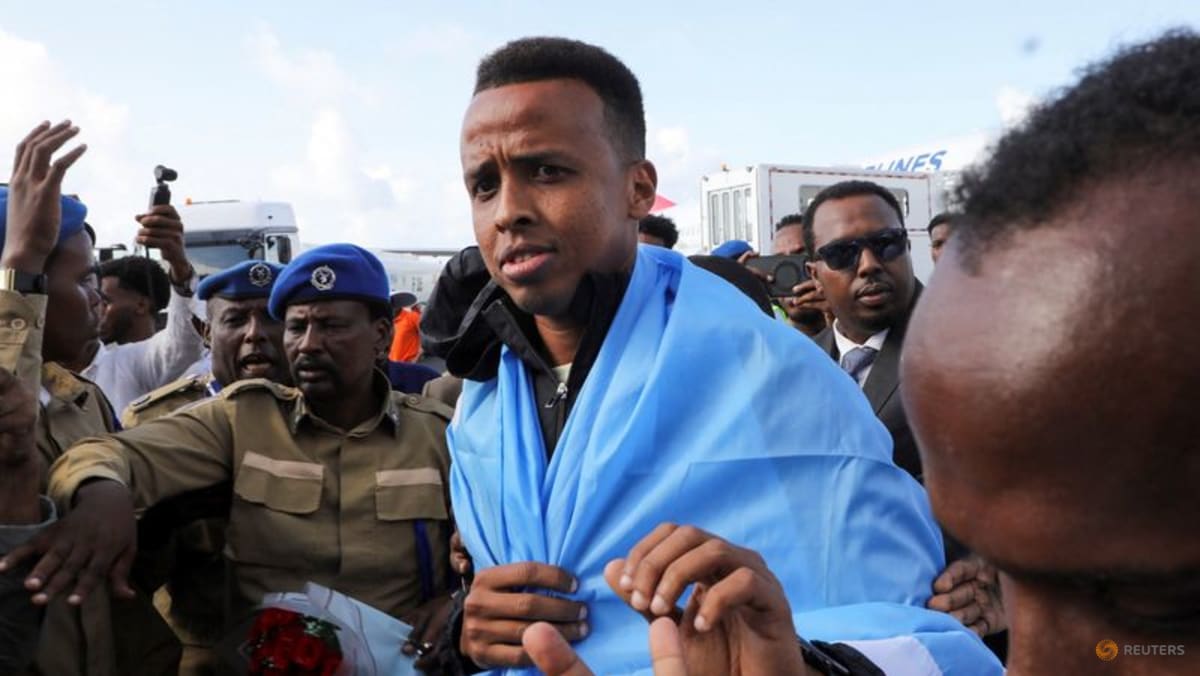
United States officials have defended the implementation of stringent visa screening protocols for the 2026 FIFA World Cup, citing national security requirements as the primary driver for potential entry denials. The policy, which has drawn scrutiny following reports of difficulties for international sports officials and athletes from specific nations, is described by the administration as a necessary measure to prevent unauthorized individuals from entering the country under the guise of tournament participation.
According to official statements, the Department of Homeland Security and the State Department maintain authority over visa adjudications, ensuring that all visitors undergo rigorous background checks. This process is designed to identify potential “bad actors” while facilitating the entry of legitimate tournament participants, officials, and spectators. The screening process remains consistent with existing U.S. immigration law, specifically the Immigration and Nationality Act, which governs the eligibility of foreign nationals seeking entry into the country.
Security Protocols and Visa Adjudication
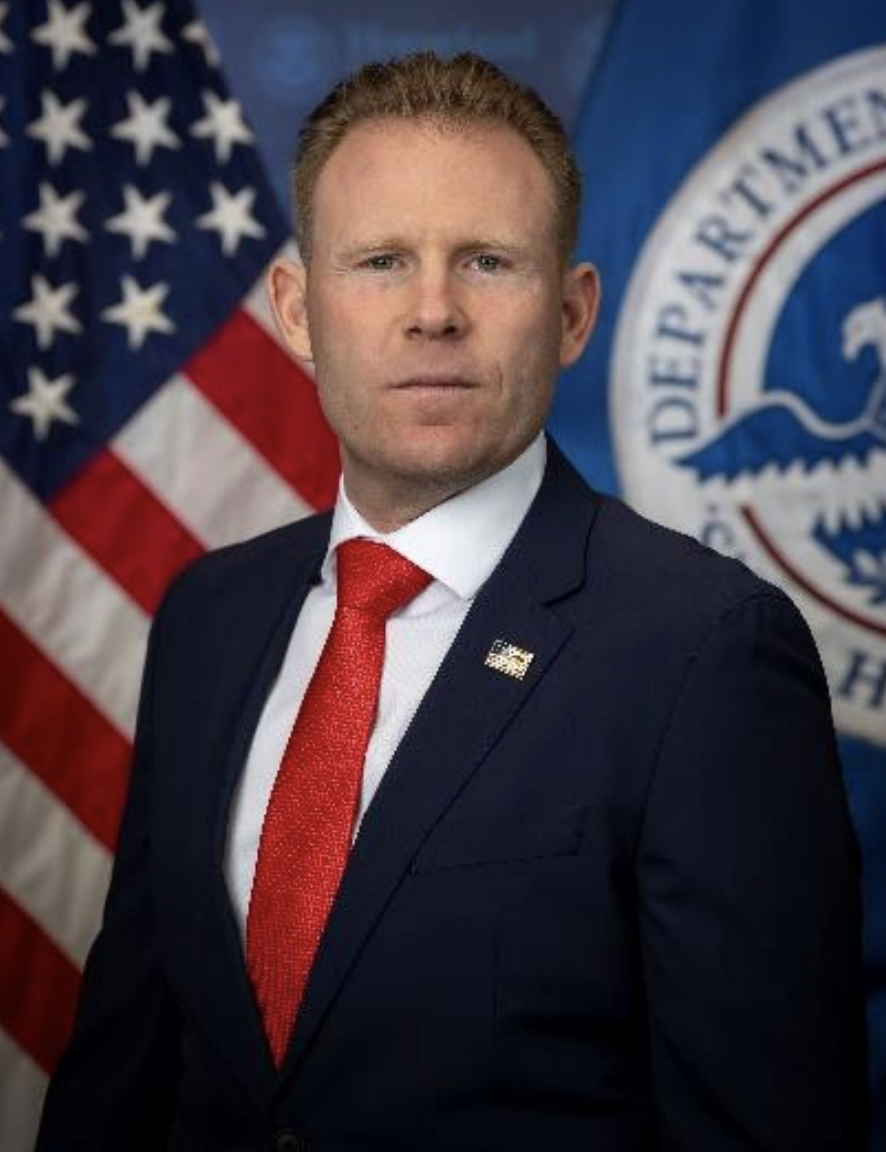
The U.S. government has emphasized that visa issuance for major international events is subject to individual case review, regardless of an applicant’s professional affiliation or role in the tournament. Andrew Giuliani, a former special assistant to the President, has publicly defended the administration’s stance on maintaining strict border control measures. He noted that the government is striking a balance between ensuring that individuals who might attempt to enter the country under the guise of the World Cup are denied access, while still accommodating the needs of the sporting event.
The U.S. Department of State stipulates that visa applications are evaluated on a case-by-case basis. Factors influencing these decisions include the applicant’s intent, previous travel history, and adherence to security protocols. For citizens of countries currently subject to specific travel restrictions or enhanced vetting procedures, the process can be more time-consuming. These procedures are part of a broader effort to maintain the integrity of the U.S. visa system as outlined in the DHS Office of Immigration Statistics annual reports.
Impact on International Participants
The focus on visa scrutiny has raised concerns regarding the participation of officials and athletes from nations that have historically faced challenges with U.S. entry requirements. Reports regarding potential restrictions for personnel from Somalia and Iran have highlighted the complexities of hosting a global tournament in a country with a complex geopolitical footprint. FIFA regulations mandate that host nations must facilitate the entry of all necessary tournament personnel, a requirement that often intersects with the sovereign rights of the host country to regulate its borders.

In practice, the U.S. government has historically granted specific exemptions or expedited processing for athletes and officials attending major international events. However, these are not guaranteed, and the Department of State’s Visa Services office maintains that all applicants must meet standard security requirements. The tension between FIFA’s goal of universal access and national security mandates remains a point of negotiation for organizers as the 2026 tournament approaches.
Regulatory Framework and Oversight
The legal basis for these screenings is found in the Immigration and Nationality Act, which provides the executive branch with the authority to deny entry to individuals deemed a risk to national security or public safety. This authority is exercised through the consular processing system, where applicants are interviewed and vetted against various law enforcement and intelligence databases.

Critics of the current policy argue that overly broad restrictions could hinder the inclusivity of the World Cup, which is intended to be a global celebration of sport. Proponents, however, argue that the U.S. must prioritize its security interests, particularly during high-profile events that may attract international attention. The administration has indicated that it will continue to work with FIFA to streamline the process for legitimate participants while maintaining the integrity of the border.
Future Developments
As the 2026 tournament schedule is finalized, the U.S. government is expected to issue further guidance regarding the specific visa processes for players, coaches, referees, and media representatives. Official updates regarding entry requirements and visa application timelines will be posted on the U.S. Department of State website as they become available. Stakeholders, including national football associations and international sporting bodies, are encouraged to monitor these official channels for the most current information regarding travel and entry compliance.
The next major checkpoint for the tournament logistics will involve the official announcement of host city security agreements and the publication of specific visa application windows for participating teams. Those seeking information on the status of visa policies or wishing to comment on the impact of these regulations are directed to official government portals and the FIFA tournament planning office.
Related reading