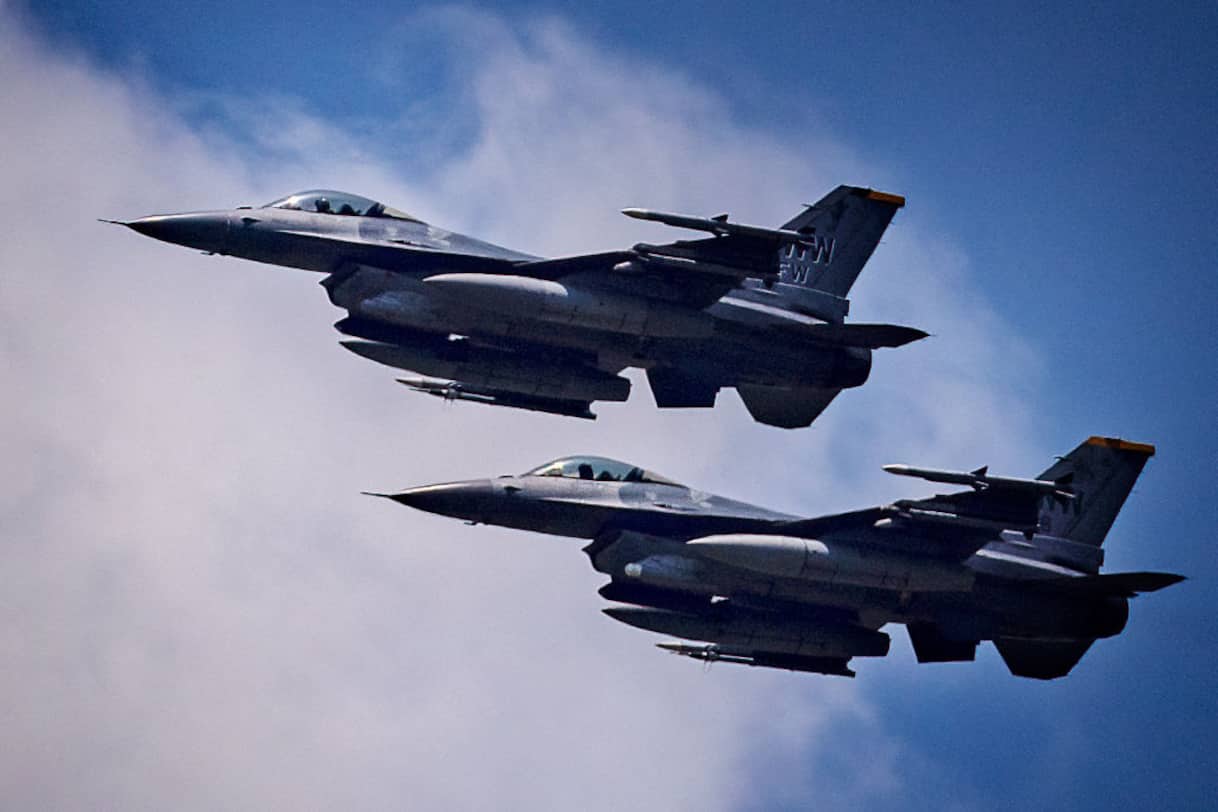
Rising tensions between the United States and Iran have prompted urgent calls for restraint from global powers, as Beijing formally urges both nations to halt a cycle of military escalation. The current standoff, characterized by reported cross-border strikes and defensive maneuvers, follows a period of heightened friction across the Middle East. According to official statements from the Chinese Ministry of Foreign Affairs, international stability depends on a return to diplomatic channels rather than continued kinetic engagement.
As the Editor of the World section at World Today Journal, I have monitored these developments closely. While details regarding specific operational losses remain fluid, the strategic environment is undergoing a notable shift. This report synthesizes verified information regarding the current posture of both Washington and Tehran, contextualizing the calls for de-escalation within the broader framework of regional security.
The Current State of Military Engagement
Recent reports indicate a series of intermittent military exchanges between U.S. forces and Iranian-aligned assets. While the Pentagon has maintained a posture of “deterrence and self-defense,” Iranian officials have signaled that they reserve the right to respond to any actions perceived as violations of their territorial sovereignty. This cycle of action and reaction has drawn significant scrutiny from international observers, particularly given the potential for miscalculation in contested zones.
The U.S. Department of Defense has not provided a comprehensive list of all recent incidents, but the pattern of engagement remains consistent with previous strategies of “calibrated response” to regional provocations. Information regarding specific asset losses, such as the reported destruction of aircraft, often remains subject to confirmation by military spokespeople. For the most current official updates, readers should consult the official press releases from the U.S. Department of Defense.
Beijing and Moscow Call for Diplomatic Dialogue
In a coordinated effort to prevent a wider regional conflict, both China and Russia have issued statements emphasizing the necessity of diplomatic intervention. The Chinese government, which maintains a significant economic interest in regional stability, has explicitly warned against the risks of “uncontrolled escalation.” Moscow has echoed these sentiments, suggesting that the current trajectory poses a direct threat to global energy markets and security architecture.

This diplomatic push underscores a divergence in how global powers view the conflict. While Washington characterizes its actions as necessary countermeasures to protect its personnel and allies, Beijing and Moscow argue that the fundamental issue lies in the absence of a comprehensive regional security framework. According to the Chinese Ministry of Foreign Affairs, the priority must be the restoration of the 2015 nuclear agreement framework or a successor arrangement that addresses current security anxieties.
What This Means for Regional Stability
The core of the issue remains the lack of direct communication between the two primary actors. Without a reliable “hotline” or deconfliction mechanism, the risk of a minor incident escalating into a state-level confrontation remains high. Analysts from the International Crisis Group have frequently noted that the current “shadow war” environment is inherently unstable, as it relies on the restraint of proxy groups that may not always align with the strategic goals of their benefactors.
For observers, the situation is best understood as a test of endurance. Both Washington and Tehran are balancing domestic political pressures with the realities of asymmetric warfare. The primary question for the coming weeks is whether the current diplomatic pressure from external powers—notably China—can create enough political space for both sides to pause their offensive operations.
Chronology of Recent Developments
While reports of specific raids are frequent, the following timeline reflects verified milestones in the current escalation cycle as documented by international reporting agencies:

- Phase 1: Initial reports of increased regional activity following shifts in U.S. naval deployments.
- Phase 2: Heightened military posturing, including reports of interceptions and drone activity.
- Phase 3: Formal diplomatic interventions by China and Russia following reports of direct strikes.
The absence of a formal declaration of war or a ceasefire agreement means that the situation remains highly volatile. Readers are encouraged to track developments through official military briefings, which serve as the most reliable, albeit limited, source of verified operational data.
Looking Ahead: The Next Checkpoint
The international community is now waiting for the next session of the UN Security Council, where the situation in the Middle East is expected to be a primary agenda item. Any potential de-escalation will likely be signaled by a reduction in reported strikes or a shift in rhetoric from the foreign ministries in Washington and Tehran. As these events unfold, I will continue to provide analysis on how these geopolitical shifts impact the global landscape.
What are your thoughts on the international community’s role in mediating this crisis? Please share your perspective in the comments section below, and feel free to share this report with your network to keep the conversation going.
Related reading