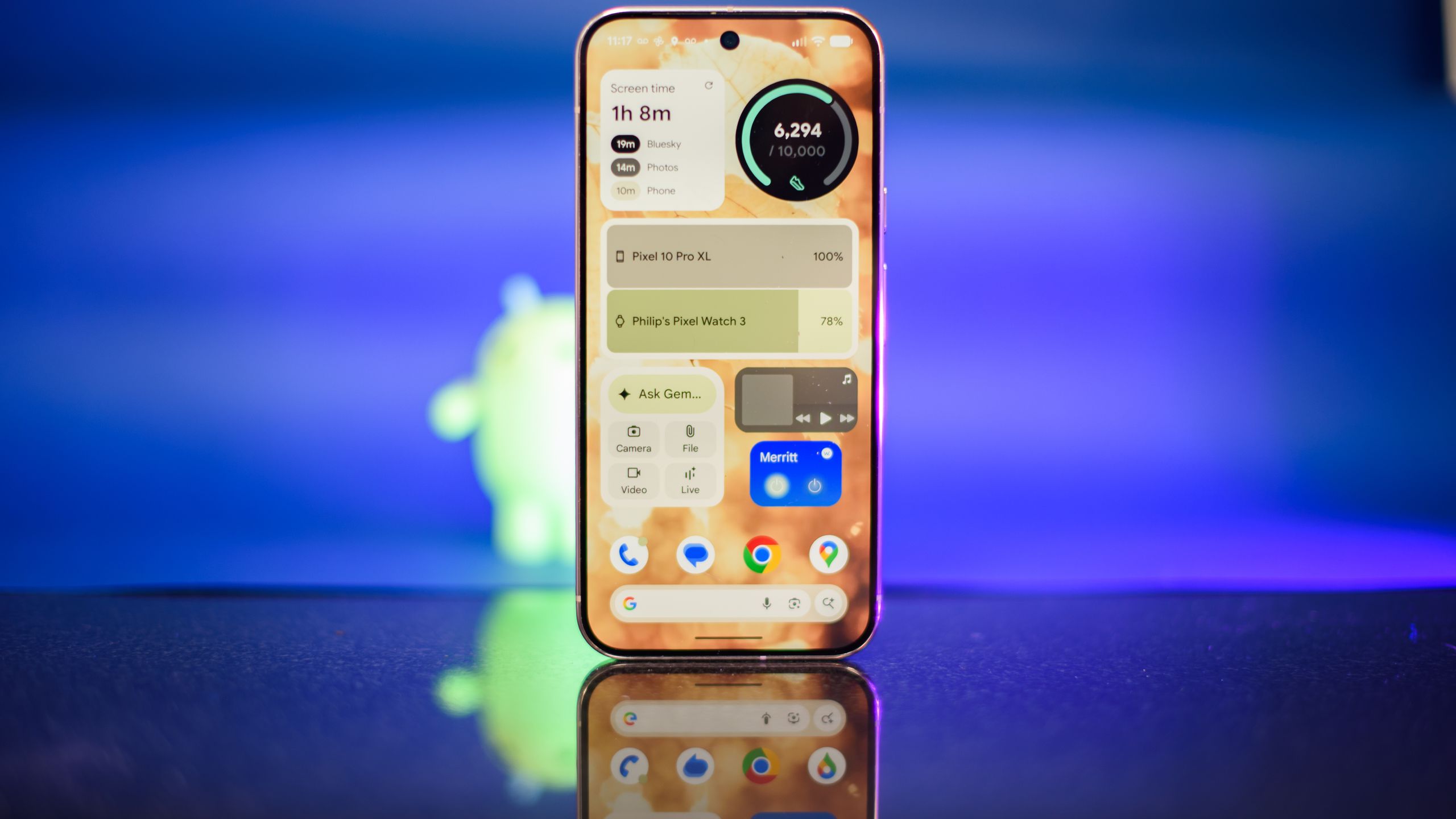
For years, Google Pixel owners have shared a common frustration: the permanent, unmovable search bar anchored to the bottom of the home screen. While the bar provides quick access to Google Search, its static nature has been a point of contention for users seeking a cleaner aesthetic or those who prefer alternative search engines.
New evidence suggests that this long-standing limitation may finally be coming to an end. Analysis of early software builds for the upcoming Android 17 indicates that Google is developing a toggle to allow users to hide or customize the home screen search bar, marking a significant shift in how the company approaches Pixel Launcher personalization.
As a former software developer and current tech editor, I have followed the evolution of the Pixel Launcher closely. The tension between Google’s desire to keep its primary gateway to the web prominent and the user’s desire for autonomy is a classic design conflict. The introduction of a “hide” option would represent a victory for user agency and a nod to the power-user community that has requested this feature since the Pixel line’s inception.
Evidence from the Android 17 Beta
The discovery comes from a technical teardown of the Android 17 QPR1 beta 2 release. When developers “sift” through the code of a beta build, they often find “strings”—pieces of text that will eventually appear in the user interface—long before the actual feature is toggled on for the public.
In this specific build, researchers uncovered several new strings within the Pixel Launcher code that directly reference search bar customization. These include:
- “Customize search bar”
- “Search bar settings”
- “Show search bar”
- “At the bottom of your home screen”
While these strings are a strong indicator of intent, the feature is not yet active in the current beta. In the world of software development, code strings often act as a blueprint; they tell us what the engineers are building, even if the “switch” to enable the feature hasn’t been flipped yet. However, the specificity of these strings—particularly the reference to the bar’s location at the bottom of the screen—makes it highly likely that a toggle is on the way.
Why This Matters for Pixel Users
To the casual observer, a search bar may seem like a minor detail. However, for the global community of Android enthusiasts, this change addresses three primary concerns: screen real estate, aesthetic preference, and software choice.
Screen Real Estate and Aesthetics
Modern smartphones have evolved toward “edge-to-edge” displays to maximize immersion. A permanent search bar, while functional, occupies a significant portion of the lower screen. For users who prefer a minimalist home screen—often referred to as a “clean setup”—the inability to remove this element has been a primary reason to switch to third-party launchers like Nova or Niagara.
Alternative Search Engines
The Pixel experience is designed to be a showcase for Google’s ecosystem. However, many users prefer alternative search engines for privacy reasons or specific utility. For these users, a permanent Google search bar is not a convenience, but a redundant piece of software that takes up space without providing value.
Consistency in Customization
This move follows a pattern of Google gradually loosening the reins on the Pixel Launcher. For example, recent updates have allowed users more flexibility with widgets, including the ability to hide the “At a Glance” widget in some configurations. Allowing the removal of the search bar is the logical next step in transforming the Pixel Launcher from a rigid corporate template into a truly personalizable tool.
What to Expect Next
Because these findings are based on a QPR (Quarterly Platform Release) beta, the feature may not arrive with the initial stable launch of Android 17, but rather in a subsequent update. Google typically uses QPR releases to refine features and introduce polish based on beta feedback.

Users should keep an eye on the official Android updates page and the Pixel device settings menu under “Home settings” or “Launcher settings” once the stable version of Android 17 rolls out. If the leak holds true, a new “Search bar” section will appear, offering a simple toggle to show or hide the element.
The next major checkpoint for Android enthusiasts will be the upcoming official Google presentations and developer briefings, where the company typically showcases the finalized feature set for the new OS version. While Google rarely confirms “leaked” code strings, the presence of these strings in the QPR1 beta 2 build provides a high degree of confidence that the search bar is finally becoming optional.
Do you prefer the convenience of the permanent search bar, or are you looking forward to a cleaner home screen? Share your thoughts in the comments below.
Keep reading