
In the remote reaches of Chad’s Lac region, the town of Bol stands as a precarious frontline in a battle against both systemic instability and a resilient public health crisis. While the region has long struggled with the fallout of conflict and environmental degradation, a burgeoning challenge is now taking center stage: the steady progression of HIV/AIDS within a population already pushed to the brink by fragility.
For the residents of Bol, the intersection of infectious disease and humanitarian instability creates a “syndemic”—a situation where multiple health and social crises reinforce one another. In an area where basic healthcare infrastructure is often interrupted by insecurity or displacement, the management of a chronic, lifelong condition like HIV becomes an uphill struggle. The fragility of the local health system means that the gap between diagnosis and consistent treatment is often wide, leaving many vulnerable to the advanced stages of the disease.
As a physician with over a decade of experience in internal medicine and infectious diseases, I have seen how conflict zones inevitably become breeding grounds for untreated epidemics. When the primary focus of a community shifts to immediate survival—finding food, shelter, and safety—preventative health and long-term medication adherence often fall by the wayside. In Bol, this is not a theoretical risk; it is a daily reality for patients attempting to navigate a fragmented care network.
The crisis in Bol is a microcosm of the broader challenges facing the Republic of Chad, where the struggle to provide universal access to antiretroviral therapy (ART) is compounded by geographic isolation and economic hardship. To understand why HIV is progressing in such a fragile context, one must look at the collapse of the “continuum of care”—the process of testing, linking to care, and maintaining lifelong treatment.
The Synergy of Fragility: Conflict and Health
Bol serves as the administrative hub for the Lac region, an area that has been profoundly destabilized by years of insurgency and displacement in the Lake Chad basin. The instability created by non-state armed groups has not only displaced thousands but has also dismantled the particularly clinics and pharmacies required to sustain HIV treatment. When health workers are forced to flee or when supply routes are blocked, the “fragile context” becomes a lethal barrier to care.

According to the United Nations Office for the Coordination of Humanitarian Affairs (OCHA), the Lake Chad region continues to face complex humanitarian needs, where insecurity often limits the movement of both patients and medical supplies. For a patient living with HIV, a single missed month of medication due to a closed clinic or a blocked road can lead to drug resistance or a rapid decline in immune function, turning a manageable condition back into a life-threatening illness.
the psychological toll of living in a conflict zone cannot be overlooked. The trauma of displacement and the loss of social support networks often lead to a breakdown in the adherence to treatment protocols. In many cases, the stigma associated with HIV in traditional communities is exacerbated by the chaos of crisis, driving infected individuals further into hiding and away from the few remaining functional health posts.
Barriers to Diagnosis and Treatment in the Lac Region
One of the most critical failures in the current health landscape of Bol is the lack of consistent screening. Without widespread, accessible testing, many individuals only discover their HIV status when they present with opportunistic infections, such as tuberculosis or severe pneumonia. By the time a diagnosis is made in a fragile setting, the window for early intervention has often closed.
The supply chain for antiretroviral drugs (ARVs) remains a significant point of failure. While the Chadian government and international partners work to provide free care for those living with HIV, the “last mile” of delivery to remote areas like Bol is frequently interrupted. This irregularity in supply creates a dangerous cycle of “intermittent therapy,” where patients start and stop their medication based on availability, significantly increasing the risk of treatment failure.
the lack of specialized medical personnel in the Lac region means that the burden of care often falls on general practitioners or community health workers who may lack the advanced training required to manage complex HIV cases or drug-to-drug interactions. This gap in expertise often results in suboptimal care and a failure to identify early warning signs of treatment failure.
The Vulnerability of Mothers and Children
Perhaps the most heartbreaking aspect of the HIV progression in Bol is the impact on the next generation. The prevention of mother-to-child transmission (PMTCT) is a cornerstone of global health, yet in fragile contexts, these programs are often the first to suffer. When maternity services are underfunded or inaccessible, the opportunity to provide life-saving prophylaxis to newborns is lost.
The UNICEF Chad initiatives highlight the ongoing struggle to ensure that pediatric HIV care is integrated into general health services. In regions like Bol, the lack of pediatric-specific ARV formulations and the difficulty of performing early infant diagnosis (EID) mean that many children born with HIV remain undiagnosed for years. For these children, the “fragile context” is not just an environmental factor—it is a systemic failure that denies them a chance at a normal lifespan.
The challenges are not merely medical but social. Mothers living with HIV in the Lac region often face double stigmatization—once for their illness and again for their status as displaced persons or refugees. This fear of social ostracization frequently prevents them from seeking the very care that would protect their children, creating a generational cycle of infection and poverty.
What This Means for the Future of Public Health in Chad
The situation in Bol is a stark reminder that medical innovation—such as the development of highly effective ARVs—is meaningless if the delivery system is broken. The “progression” of HIV in this region is not a failure of science, but a failure of logistics and security. To reverse this trend, the approach must shift from sporadic medical interventions to a resilient, integrated health system that can withstand the shocks of conflict.
Key requirements for stabilizing the health crisis in Bol include:
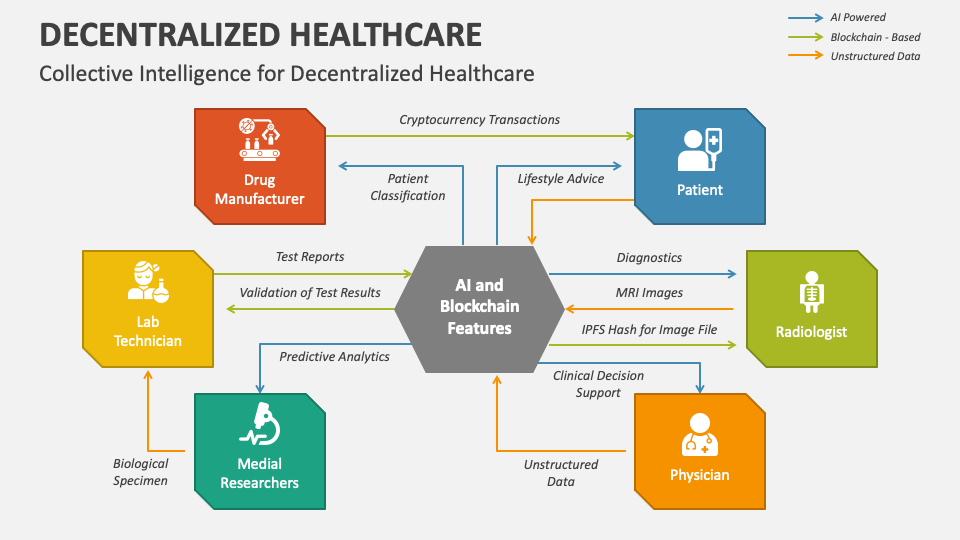
- Decentralized Drug Storage: Establishing secure, regional stockpiles of ARVs to ensure that treatment is not interrupted by temporary road closures or insecurity.
- Mobile Testing and Treatment Units: Bringing screening and care to displaced populations who are unable or afraid to travel to central clinics in Bol.
- Community-Led Stigma Reduction: Engaging local leaders and traditional healers to normalize HIV testing and support treatment adherence.
- Integrated Pediatric Care: Prioritizing the integration of HIV screening into all maternal and child health visits to ensure no child is left undiagnosed.
From my perspective as a health editor and physician, the priority must be the “humanization” of the supply chain. We cannot treat the patients in Bol as mere statistics in a national prevalence report; they are individuals living in a state of permanent uncertainty. The medical community must advocate for “health corridors”—protected zones and routes that ensure the uninterrupted flow of life-saving medications, regardless of the political or security climate.
The Path Forward: Next Steps and Global Responsibility
The progression of HIV in Bol is a call to action for the international community. The fragility of the Lac region is not a local problem; it is a global health security risk. Untreated HIV populations in unstable regions can lead to the emergence of drug-resistant strains, which can spread across borders and undermine global efforts to end the epidemic.
The next critical checkpoint for the region will be the upcoming quarterly health reviews conducted by the Chadian Ministry of Public Health in coordination with World Health Organization (WHO) representatives. These reports will be essential in determining whether the current gaps in ARV delivery are being closed and if pediatric screening rates are improving in the Lac region.
We must continue to monitor these developments closely. The people of Bol deserve more than just survival; they deserve a healthcare system that views their right to health as non-negotiable, even in the midst of fragility.
Do you believe international health organizations are doing enough to protect patients in conflict zones? Share your thoughts in the comments below or share this article to raise awareness about the health crisis in the Lake Chad basin.
Keep reading
- Company Cars, Transit Monitoring: How Home Care Providers Address Caregiver Transportation Gaps
- Scientists Map How Influenza A Virus Hijacks Human Cells with Unprecedented Detail
- FDA Approves Groundbreaking mRNA Vaccine Booster for Adults 50+, Boosting Immunity and Protecting Against Chronic Health Risks (archyworldys.com)
- India and ASEAN Partner to Advance Digital Public Infrastructure and Economy (archynewsy.com)