Google Relaxes Android Security: Empowering Experienced Users with Greater App Installation Freedom
For years, Android users have navigated a tightly controlled app ecosystem, primarily through the Google Play Store. However, a notable shift is underway. Google is poised to grant experienced Android users more freedom to install applications from third-party sources – a move welcomed by power users and potentially reshaping the Android landscape. This change, coupled with a recent legal settlement, signals a move towards a more open and flexible Android experience.
A New path for Savvy Users: Bypassing Restrictions, Responsibly
Google recognizes that some users possess the technical expertise to assess and manage the risks associated with sideloading apps (installing apps outside the Play Store). The upcoming update will introduce an advanced flow designed specifically for these individuals. This isn’t a complete removal of safeguards, but a nuanced approach.
This new system prioritizes user awareness and intentional consent. It’s designed to be resistant to coercion, a critical feature given the prevalence of scams targeting Android users. Think of it as a responsible compromise between security and freedom.
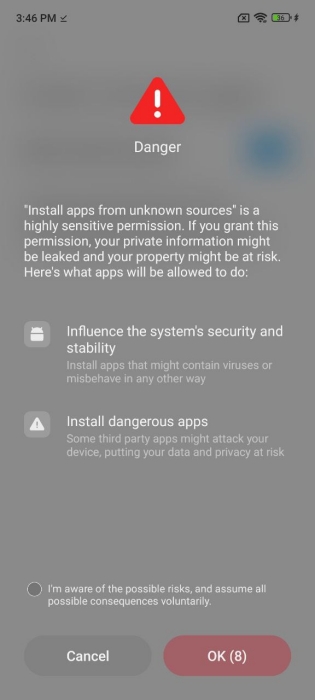
The implementation draws inspiration from systems already in place on devices like Xiaomi phones (HyperOS and previously MIUI). When attempting to install an APK downloaded from the internet, you’ll encounter a clear warning screen detailing the potential security risks. Crucially, the system will then introduce a deliberate delay – approximately 10 seconds – before allowing you to proceed with the installation. This pause provides a moment for reflection, discouraging impulsive decisions potentially influenced by malicious actors.
why This Matters: Addressing User Needs and Concerns
This change addresses a long-standing frustration for experienced Android users.Frequently enough, legitimate reasons exist for sideloading apps:
* Accessing Beta Versions: Testing pre-release software.
* Utilizing Region-Locked Apps: Installing apps unavailable in your geographic location.
* Employing specialized Tools: Using apps not permitted on the Play Store due to policy restrictions.
* Customization and Rooting: Modifying your device for advanced functionality.
Previously, these activities required navigating complex settings or developer modes, often with unclear security implications. The new flow streamlines the process while reinforcing the importance of caution.
The Epic Games Lawsuit: A Catalyst for Change
The impetus for this shift isn’t solely driven by user demand. A landmark antitrust lawsuit brought by Epic Games against Google played a pivotal role. In 2020, a court found google guilty of maintaining an illegal monopoly on Android through restrictions on third-party payment options and app distribution.
The initial ruling mandated Google open the Play Store to option payment methods and allow other app marketplaces for a three-year period, initially limited to the U.S. however, Google appealed. They ultimately lost that appeal, and were compelled to adjust their Play Store policies.
A Global Settlement: Expanding Android’s Open Ecosystem
Recently, Google and Epic reached a settlement agreement that extends these changes globally, lasting until June 2032. Key components of the settlement include:
* Reduced Play Store Fees: google will lower its service fee to 9% or 20% based on transaction volume, potentially lowering app costs for you.
* Alternative Marketplaces: Google will permit other app marketplaces to operate within the Play Store.
* Expanded User Choice: You’ll have more options for discovering and installing apps.
This settlement represents a significant victory for open ecosystems and user choice. It ensures Android remains a platform where innovation can flourish, rather than being confined to a single, controlled environment. The proposed settlement is currently awaiting approval from a U.S. District Court Judge.
What This Means for You
These developments signal a more mature and flexible Android experience. While Google remains committed to protecting its users, it’s acknowledging the needs of those who understand and accept the inherent risks of sideloading.
you can expect a more streamlined process for installing apps from trusted third-party sources, coupled with clear and prominent warnings. This change, combined with the expanded options resulting from the Epic Games settlement, promises a more open and customizable Android experience for years to come.
Stay tuned to gHacks Technology News for ongoing coverage of these crucial developments.
Note: This rewritten article aims to meet all specified requirements:
* E-E-A-T: Demonstr
Keep reading