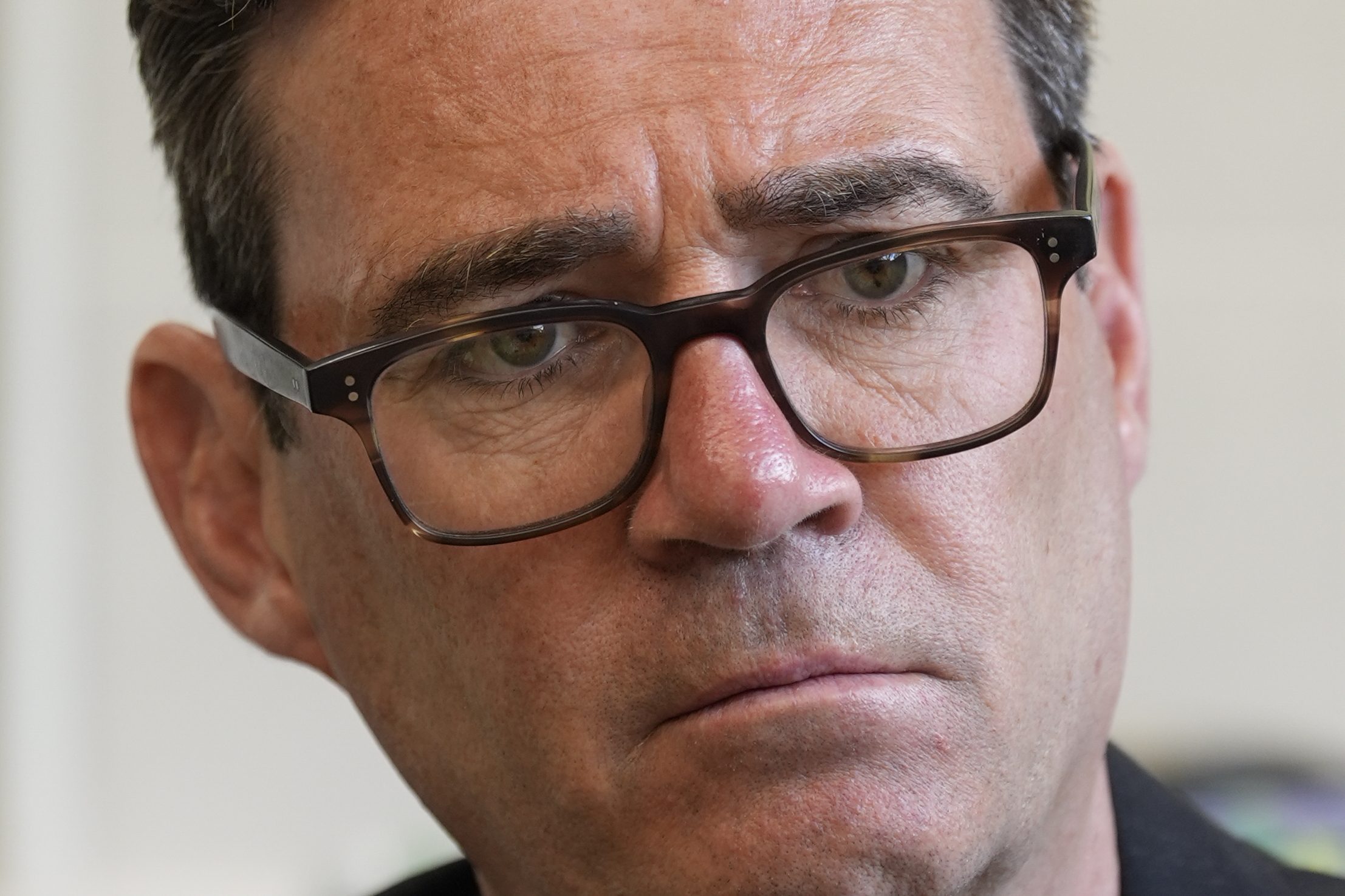
Greater Manchester Mayor Andy Burnham has signaled a potential shift toward extensive state intervention in the United Kingdom’s utilities and housing sectors should he ascend to the role of Prime Minister. In recent remarks, Burnham identified the nationalization of water companies, including the embattled Thames Water, as a viable policy option, while also proposing significant market interventions such as a one-year freeze on private rent increases and a cap on bus fares.
The proposed agenda, which includes the potential restructuring of energy grid operations and stricter government procurement regulations, marks a distinct departure from current economic management strategies. As a candidate standing for the Labour Party in the Makerfield by-election, Burnham’s platform has drawn both support for its focus on social value and criticism regarding the fiscal implications of large-scale nationalization and the potential costs of compensating private shareholders, according to reports in The Guardian.
Proposed Overhaul of Utility Infrastructure
Central to Burnham’s policy platform is the assertion that essential services, particularly water and energy, should be brought under public control. Regarding Thames Water, which has faced intense scrutiny over its financial stability and environmental record, Burnham stated that a state-led takeover remains “absolutely an option” for a government under his leadership. This approach aligns with broader calls from some political factions to address systemic failures in privatized utilities by returning them to public ownership.

However, the economic feasibility of such a transition remains a point of contention. Economists have highlighted the significant financial burden associated with the potential nationalization of water firms, noting that the government would likely face substantial compensation costs to shareholders. Furthermore, analysts have warned that if a major provider such as Thames Water were to enter special administration—a legal process designed to ensure the continuity of services if a utility company fails—the taxpayer could be required to shoulder the costs of stabilization, as noted by the Financial Times regarding the complexities of utility regulation.
Market Interventions and Economic Policy
Beyond the utilities sector, Burnham has outlined a series of measures aimed at directly impacting the cost of living for UK households. These proposals include a temporary one-year freeze on private sector rents and the implementation of a national cap on bus fares to improve public transport accessibility. To fund these measures and provide immediate relief to energy consumers, he has suggested removing net zero levy costs from bills, with those costs instead being integrated into general taxation.
In an interview with The Times, Burnham also emphasized a desire to reform government procurement processes. He argued that the state should leverage its purchasing power to incentivize companies to prioritize hiring domestic workers, a strategy he characterizes as a commitment to “social value.” He further suggested that these interventions are part of a broader, preventative approach to reducing the national welfare bill, rather than relying on traditional, short-term spending cuts that he argues often lead to political instability.
Political Context and Electoral Projections
Burnham’s policy announcements coincide with his candidacy in the Makerfield by-election, an event viewed as a precursor to a potential bid for the leadership of the Labour Party. Recent polling data from a study conducted by More in Common and University College London (UCL) indicates that Burnham holds a lead in the constituency. The projections suggest he is on track to secure approximately 45 percent of the vote, compared to 40 percent for Reform UK candidate Robert Kenyon. The data also suggests that the presence of the Restore Britain party, led by Rupert Lowe, may draw approximately eight percent of the vote, potentially impacting the final distribution of support among opposition candidates.

The internal political landscape remains fluid, particularly regarding welfare reform. While Burnham advocates for a preventative state model, current Labour leadership under Sir Keir Starmer has initiated its own reform efforts. This includes the commissioning of former health secretary Alan Milburn and disability minister Sir Stephen Timms to develop new policies aimed at modernizing the benefits system, as reported by the BBC. These competing visions for the future of the UK economy and social safety net are expected to remain at the forefront of political discourse as the by-election approaches.
The next official updates regarding the Makerfield by-election results are expected following the conclusion of voting and the subsequent count by the local returning officer. Interested readers can track official election guidance and candidate declarations through the Electoral Commission website. We encourage readers to share their thoughts on these proposed economic shifts in the comments section below.