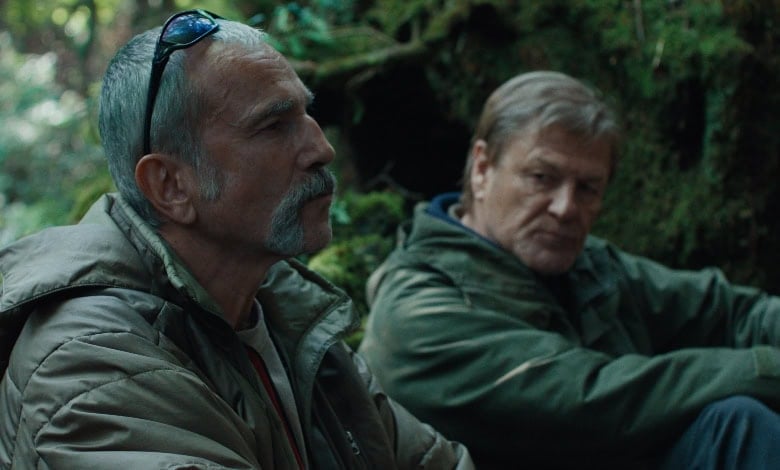
“Anemone” (2025): A Stunning Debut and a Potentially Final Masterclass from Daniel Day-Lewis
Ronan day-Lewis’s “Anemone” marks a remarkable directorial debut, and a compelling return to the screen for his father, Daniel Day-Lewis. The film navigates the complex terrain of family trauma and reconciliation with a poetic intensity that’s both visually arresting and emotionally resonant. Could a father-son collaboration live up to the legacy of one of cinema’s greatest actors? The answer, thankfully, is a resounding yes.
A Story of Broken Bonds and Difficult Journeys
“Anemone” centers on Jem stoker (Sean Bean), a man grappling with the fallout of his son Brian’s (Samuel Bottomley) actions and the distress of his wife (Samantha Morton). The narrative unfolds as Jem embarks on a desperate search for his estranged father, Ray (Daniel Day-Lewis), hoping Ray can offer insight into Brian’s troubled state.
The film initially unfolds with striking silence.For the first twenty minutes, dialog is absent, building tension and immersing the viewer in Jem’s mounting desperation. When conversation finally arrives, it’s raw, confrontational, and surprisingly focused on the visceral – a deliberate shock tactic that ultimately serves a greater purpose.
Day-Lewis Delivers a Restrained, Riveting Performance
This isn’t the bombastic, scenery-chewing Day-Lewis of “There Will Be Blood” or “Gangs of New York.” Rather, his performance is remarkably controlled, echoing the nuanced intensity of his work in “In the Name of the Father.” It’s a masterclass in subtle expression, where every glance and gesture carries weight.
Bean, equally extraordinary, more than holds his own against Day-Lewis. Their scenes together are electric, fueled by unspoken history and simmering resentment. The actors elevate the script, making every interaction feel authentic and profoundly moving.
Exploring Catharsis, Choice, and the weight of the Past
“Anemone” delves into weighty themes: the possibility of catharsis after years of estrangement, the enduring impact of past choices, and the cyclical nature of trauma. The film touches upon the historical context of the Irish Republican Army and its conflicts, but the core focus remains firmly on the fractured relationship between father and son.
The narrative avoids easy melodrama, opting instead for a probing and unflinching exploration of human fallibility. It’s a film that demands attention, rewarding viewers with its depth and complexity.
A Bold Third Act and Lasting impact
The film takes a daring turn in its third act, introducing a mythic element that will undoubtedly divide audiences. However, this bold choice feels earned, organically growing from the film’s exploration of familial tensions and the search for meaning. It’s a risk that pays off, elevating “Anemone” beyond a conventional family drama.
Ronan Day-Lewis has delivered a stunning directorial debut. This is a film that lingers long after the credits roll, prompting reflection on the enduring power of family, the weight of the past, and the elusive nature of forgiveness.
Is This Day-Lewis’s Final Act?
Whether this marks a true farewell to acting remains to be seen. But if “Anemone” is Daniel Day-Lewis’s final performance, it’s a magnificent one – a fitting culmination to a legendary career.
verdict: Four Stars. A must-see for fans of character-driven dramas and a testament to the enduring power of cinematic storytelling.