
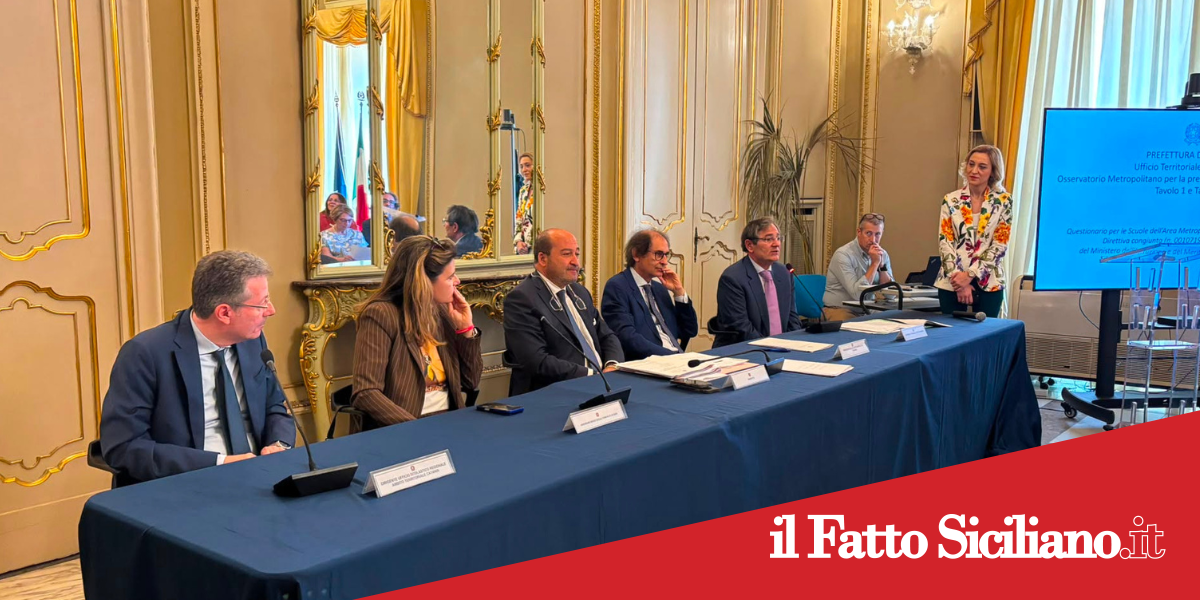
The Municipality of Catania has established a formal protocol of understanding to launch educational and therapeutic programs for local youth through animal-assisted interventions. This initiative focuses on the human-animal bond to support social inclusion and psychological development, utilizing specialized activities such as equine rehabilitation.
The agreement, formalized in Catania, Sicily, outlines a framework for integrating animal-assisted interventions (AAI) into youth development programs. According to the protocol, the activities will range from equine-based rehabilitation to various forms of animal-assisted interventions designed to foster emotional and social growth among young participants.
By leveraging the therapeutic potential of animal interaction, the program aims to provide an alternative educational pathway for youth, particularly those who may benefit from non-traditional learning environments. Local officials have indicated that the focus remains on using the relationship between humans and animals as a foundation for behavioral and social learning.
What activities are included in the Catania youth protocol?
The protocol identifies several specific modalities of animal interaction, with a primary emphasis on equine rehabilitation. This process, often referred to in clinical settings as hippotherapy, involves using the movement of a horse to improve a participant’s physical, cognitive, or emotional functions. In the context of the Catania initiative, these sessions are intended to serve both educational and rehabilitative purposes for the youth involved.
Beyond equine activities, the program will incorporate broader animal-assisted interventions. These may include structured interactions with various animals designed to promote specific developmental milestones. The program’s structure is built upon the concept of “relational therapy,” where the interaction is not merely passive but is built on a consistent, therapeutic relationship between the youth and the animal.
The core objectives of these activities include:
- Social Skill Development: Using animal interaction to teach empathy, cooperation, and social boundaries.
- Emotional Regulation: Utilizing the calming presence of animals to help youth manage stress and anxiety.
- Physical Rehabilitation: Implementing equine-based movements to assist with motor skills and coordination.
- Responsibility and Discipline: Engaging youth in the care and routine required for animal welfare.
The science behind animal-assisted interventions
From a clinical perspective, the transition toward animal-assisted interventions in public health and education is supported by growing physiological evidence. Animal-assisted interventions are defined as structured, purposeful interactions between humans and animals intended to achieve specific therapeutic or educational goals. These interventions can be categorized into several types, including animal-assisted therapy (AAT), which is conducted by professionals, and animal-assisted education (AAE), which focuses on learning outcomes.

Research into the human-animal bond suggests that regular interaction with animals can trigger specific neurobiological responses. For instance, studies have shown that physical contact with animals can lead to a reduction in cortisol—the body’s primary stress hormone—and an increase in oxytocin, a hormone associated with social bonding and relaxation. For youth experiencing developmental challenges or social isolation, these biological shifts can create a more receptive state for learning and emotional processing.
In the case of equine rehabilitation, the benefits are often dual-purpose. The rhythmic, three-dimensional movement of a horse can mimic the human walking gait, providing sensory input that is beneficial for neurological development. This makes equine-based programs particularly effective for youth requiring support with motor coordination and sensory integration.
How the program impacts social inclusion and youth development
The implementation of this protocol in Catania serves a broader social purpose: the promotion of inclusion for marginalized or at-risk youth. Traditional educational settings can sometimes present barriers to individuals with neurodivergent profiles or those facing significant socio-economic challenges. Animal-assisted programs offer a “low-pressure” environment where the social hierarchy of a classroom is replaced by the non-judgmental presence of an animal.
By providing these alternative educational tools, the municipality aims to reach demographics that might otherwise disengage from standard community services. The protocol is designed to bridge the gap between social services and educational development, using the animal as a mediator to build trust and confidence in young participants.
Stakeholders involved in the initiative suggest that the success of such programs depends on the quality of the relationship between the animal and the participant. This requires specialized training for both the handlers and the educators to ensure that the interventions remain safe, ethical, and therapeutically sound.
Comparing traditional therapy and animal-assisted interventions
While traditional psychological and educational interventions remain the standard of care, animal-assisted interventions offer a distinct methodological approach. The following table highlights the primary differences in how these two modalities typically function within a youth development context:

| Feature | Traditional Intervention | Animal-Assisted Intervention (AAI) |
|---|---|---|
| Primary Mediator | Human professional (therapist/teacher) | Animal-human dyad |
| Social Dynamic | Direct, often hierarchical interaction | Indirect, mediated through the animal |
| Engagement Style | Verbal and cognitive-heavy | Sensory, tactile, and experiential |
| Stress Response | Can trigger social anxiety in some youth | Often serves as a physiological stress reducer |
It is important to note that AAI is not intended to replace traditional clinical therapy but rather to serve as a complementary tool that can enhance the efficacy of existing developmental programs.
The next scheduled step for the Catania initiative involves the formalization of the operational guidelines and the selection of specific partner facilities capable of hosting the equine and animal-assisted sessions. Official updates regarding the start dates for participant enrollment are expected from the municipal administration in the coming months.
Do you have questions about the role of animal therapy in public health? Share your thoughts and questions in the comments below, and please share this article to spread awareness of new community health initiatives.