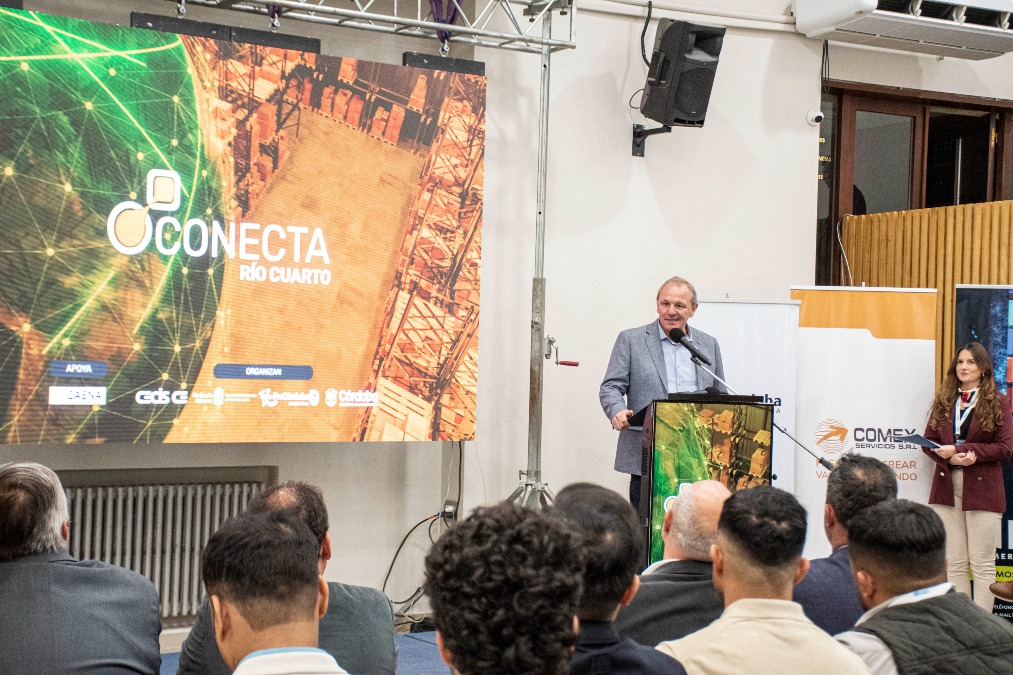
In the complex, interconnected web of global food systems, the intersection of agribusiness, international trade, and nutritional science has never been more critical. While much of the global health discourse focuses on human clinical outcomes, a significant portion of our collective well-being is determined long before a patient reaches a clinic—it begins in the supply chains that provide the fundamental building blocks of human nutrition.
A recent milestone in this sector occurred at the Conecta Río Cuarto event, a strategic business matchmaking forum held in the agricultural heartland of Córdoba, Argentina. The event served as a high-stakes nexus for the agro-industrial sector, specifically targeting the critical niche of animal nutrition. For those of us monitoring global food security and public health, the outcomes of such gatherings are more than just economic indicators. they are precursors to the stability of the global protein supply.
During the intensive sessions of the forum, the scale of engagement was substantial. According to reports from the event organizers, the jornada (day) facilitated 135 business meetings between local participating firms and eight international operators. This concentrated burst of commercial activity highlights the growing importance of the Río Cuarto region as a global player in the specialized field of animal feed and nutritional additives.
The Strategic Importance of Conecta Río Cuarto in the Global Food Chain
Río Cuarto, often referred to as the “green capital” of the Córdoba province, occupies a vital position in the South American agricultural landscape. The Conecta Río Cuarto initiative is designed to bridge the gap between regional production capabilities and the sophisticated demands of the international market. By fostering direct contact between local innovators and global operators, the event aims to streamline the integration of advanced technologies into the agricultural lifecycle.
From a public health perspective, the focus on animal nutrition is particularly salient. As the global population continues to trend toward higher demands for animal-derived proteins, the efficiency and safety of animal feed become paramount. The “One Health” approach—a framework recognized by the World Health Organization (WHO)—emphasizes that human health is inextricably linked to the health of animals and our shared environment. When agribusinesses optimize animal nutrition, they are not merely improving livestock yields; they are contributing to the production of safer, more nutrient-dense food products for human consumption.
The 135 business meetings conducted during the event suggest a robust appetite for innovation in this area. These interactions likely spanned various sub-sectors, including:
- Specialized Feed Additives: Enhancing the metabolic efficiency of livestock.
- Biotechnology in Nutrition: Utilizing microbial and enzymatic solutions to improve gut health in animals.
- Sustainable Sourcing: Addressing the environmental footprint of large-scale animal agriculture.
- Logistical Optimization: Ensuring the integrity of nutritional products across long-distance international trade routes.
Bridging Local Production and International Markets
The presence of eight international operators at Conecta Río Cuarto underscores a significant trend in the Argentine economy: the transition from bulk commodity exports to high-value, specialized agricultural services. For years, the Argentine agricultural sector has been a cornerstone of global grain and oilseed markets. However, the current shift toward “AgTech” and specialized nutrition represents an evolution in how the country participates in the global economy.

The matchmaking model employed at the event is a proven method for reducing market entry barriers for local firms. By providing a structured environment for 135 separate business negotiations, the organizers have effectively compressed months of traditional networking into a single, high-impact event. This efficiency is crucial in an era of volatile global markets and shifting trade policies.
For the international operators involved, the opportunity lies in tapping into the technical expertise and raw material access of the Córdoba region. For the local firms, the prize is access to international standards, capital, and global distribution networks. This symbiotic relationship is essential for driving the kind of medical and scientific innovation required to meet modern nutritional standards.
The Science of Animal Nutrition and Human Health Outcomes
As an editor with a background in internal medicine, I find the emphasis on animal nutrition to be the most compelling aspect of this event. We must move beyond viewing “animal feed” as a simple commodity. Modern animal nutrition is a complex field of nutritional biochemistry. The quality of the input—the feed—directly dictates the micronutrient profile of the output—the meat, milk, and eggs that reach our tables.
Key scientific drivers currently influencing these business meetings include:
- Gut Microbiome Management: Developing feed that supports healthy intestinal flora in livestock, which in turn reduces the need for prophylactic antibiotics—a critical step in combating global antimicrobial resistance (AMR).
- Metabolic Efficiency: Reducing the “feed conversion ratio” (FCR), which ensures that more nutrients are converted into protein rather than waste, thereby reducing the environmental nitrogen load.
- Nutraceuticals: The integration of bioactive compounds into animal diets to improve the health and resilience of the livestock.
When we discuss these topics in a business forum like Conecta Río Cuarto, we are essentially discussing the foundational architecture of global food security. A disruption in the animal nutrition supply chain or a lack of innovation in this sector can have cascading effects on food prices and nutritional availability worldwide.
Economic Resilience in the Argentine Agro-Industrial Sector
The success of the Conecta Río Cuarto event also speaks to the resilience of the Argentine agro-industrial sector. Despite various macroeconomic challenges, the ability to host high-level international business meetings demonstrates a persistent institutional strength. The Córdoba region remains a hub of academic and scientific excellence, with institutions like the National University of Córdoba providing a steady stream of research that feeds directly into these commercial endeavors.

The economic impact of these 135 meetings cannot be overstated. While the immediate dollar value of these individual contracts may vary, the long-term implications of establishing permanent trade channels between Río Cuarto and international operators are profound. These connections foster a stable environment for investment in infrastructure, research, and development.
the integration of international operators ensures that local standards are constantly being benchmarked against global best practices. This “upward pressure” on quality is beneficial for the entire ecosystem, ensuring that Argentine products remain competitive in increasingly regulated markets, such as the European Union, where food safety and sustainability standards are among the highest in the world.
Key Takeaways: Conecta Río Cuarto 2024/2025 Edition
| Metric/Focus Area | Detail | Strategic Implication |
|---|---|---|
| Business Matchmaking | 135 meetings conducted | High engagement between local supply and global demand. |
| International Reach | 8 international operators | Validation of regional expertise by global players. |
| Primary Sector | Animal Nutrition | Focus on food security and the One Health paradigm. |
| Geographic Hub | Río Cuarto, Córdoba, Argentina | Strengthening of the South American agro-industrial core. |
| Economic Driver | AgTech and Specialization | Transition from commodities to high-value scientific inputs. |
Looking Ahead: The Future of Agro-Industrial Integration
The conclusion of the Conecta Río Cuarto session marks not an end, but a commencement of the follow-up actions required to turn these 135 meetings into sustained economic and scientific progress. The next critical phase will involve the formalization of agreements and the implementation of new nutritional technologies within the regional supply chain.
As these business relationships mature, we expect to see increased investment in local research facilities and a more integrated approach to animal health management. For the global community, the continued evolution of the Río Cuarto hub will be a key metric in assessing the stability and innovation of the South American food supply. We will continue to monitor these developments, particularly as they relate to the intersection of agricultural trade and global nutritional health.
Next Scheduled Checkpoint: Industry analysts and local chambers are expected to release the formal impact report and follow-up investment figures from the Conecta Río Cuarto sessions in the coming fiscal quarter.
Dr. Helena Fischer explores the intersection of science, policy, and global health. What are your thoughts on the role of agribusiness in global food security? Share your comments below and subscribe to World Today Journal for expert analysis.