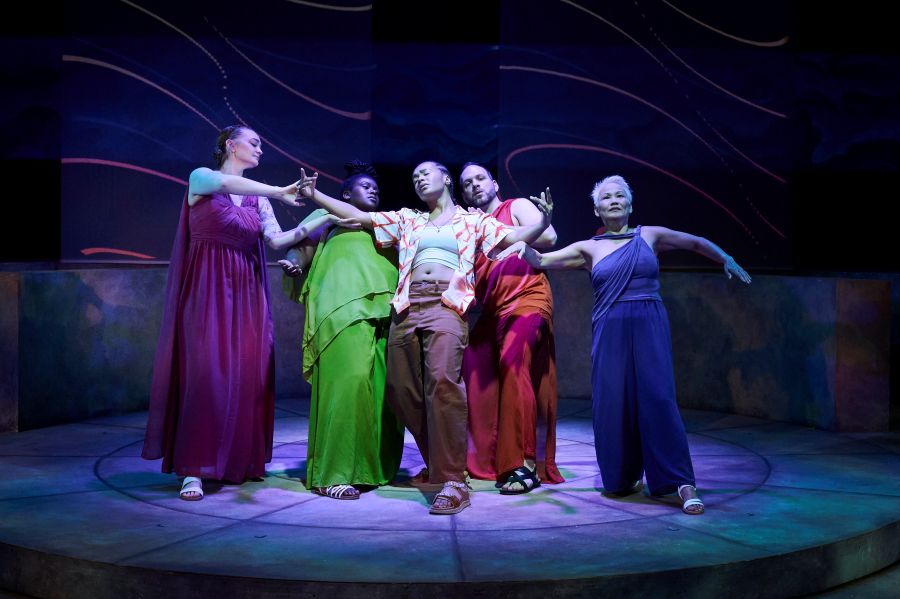
Breaking Barriers: How “Another Kind of Silence“ is Redefining Inclusive Theatre
A groundbreaking production at City Theatre in Pittsburgh is challenging conventional theatrical norms and forging a path toward truly accessible storytelling. “Another Kind of silence” isn’t simply about inclusivity; it is inclusivity in action, seamlessly integrating american Sign Language (ASL) with spoken English to create a shared experience for Deaf and hearing audiences alike.
A Symphony of Languages
The play centers around a composer grappling with hearing loss,a narrative mirrored in the production’s innovative approach.instead of relying on traditional surtitles or interpreted performances as separate elements, “Another Kind of Silence” weaves ASL directly into the fabric of the play. Spoken lines and signed lines are distinctively styled, yet meticulously timed to the rythm of the onstage performances.
This isn’t a simple add-on; it’s a fundamental restructuring of the theatrical language. The production boasts over 5,000 cues, a testament to the technical complexity involved in achieving this seamless integration. Though, the goal is to make all of this invisible to the audience, ensuring everyone, irrespective of hearing ability, is fully immersed in the story.
The Power of a ”Gloss”
Central to this success is a detailed “gloss” – a comprehensive document mapping every line of dialog to its corresponding ASL translation. This gloss serves as a vital resource for the actors, ensuring consistency and accuracy in their bilingual performances.
Creating a gloss is a significant undertaking, demanding both time and financial investment. Yet, it’s a crucial step toward building genuinely inclusive productions. It’s a necessity when you want to create theatre that truly reflects the diversity of the American experience.
Beyond Accessibility: Representation Matters
This production isn’t just about making theatre accessible to Deaf audiences; it’s about representation. It’s about recognizing and valuing the artistic contributions of individuals from all backgrounds and linguistic communities. If American theatre aspires to reflect the nation’s identity, it must actively embrace the cultures and languages of all its artists.
The creative team behind “Another Kind of Silence” consistently returns to a powerful question: are they creating a space where everyone can see themselves reflected in the story? The play’s central line - “May you find yourselves in it” – serves as a constant reminder of this ambition.
A Blueprint for the Future
“Another Kind of Silence” is more than just a single production. It’s a proof of concept, a exhibition of what’s possible when theatre prioritizes inclusivity. The detailed gloss created for this production will serve as an invaluable resource for future casts and productions, paving the way for more bilingual theatrical experiences.
Ultimately, this innovative approach to theatre isn’t just about breaking down barriers; it’s about building bridges. It’s about creating a more vibrant, inclusive, and representative art form for all.
Breaking Barriers: How “Another Kind of Silence” is Redefining Inclusive Theatre
A groundbreaking production at City Theatre in Pittsburgh is challenging conventional theatrical norms and forging a path toward truly accessible storytelling. “Another Kind of Silence” isn’t simply about inclusivity; it is inclusivity in action, seamlessly integrating American Sign Language (ASL) with spoken English to create a shared experience for Deaf and hearing audiences alike.
A Symphony of Languages
The play centers around a composer grappling with hearing loss, a narrative mirrored by the production’s innovative approach. Instead of relying on traditional interpretation, the creative team commissioned a ”gloss” – a detailed document outlining how ASL will be woven into the fabric of the performance.
Spoken dialogue and signed lines are visually distinct, yet meticulously timed to the rhythm of the actors’ performances. This isn’t an afterthought; it’s a fundamental element of the storytelling. The production boasts over 5,000 cues,a testament to the intricate technical work involved.
However,the goal isn’t to showcase complexity,but to make it invisible. If the team succeeds, you, the audience, will experience a unified narrative, regardless of how you perceive it.
Beyond Interpretation: A Truly Bilingual Production
Creating this level of integration required a significant investment of time and resources. Commissioning a gloss is a substantial undertaking, but it’s a crucial step toward building genuinely inclusive theatre. It’s a necessity when you want to create productions that honor diverse languages and cultures.
This production isn’t just about accommodating Deaf audience members; it’s about expanding the possibilities of theatrical expression.It’s about recognizing that American theatre should reflect the diversity of the nation it serves.
Finding Yourself in the Story
The play’s central question - can art truly connect us? – resonates deeply with the production’s own ambitions. In a pivotal moment, the composer hopes his symphony will allow the audience to “find yourselves in it.”
This sentiment drives the entire creative team. They continually ask themselves: have they built a play where everyone feels seen and understood? Is there more they can do to ensure a truly universal experience?
The Future of Inclusive Theatre
“Another Kind of Silence” represents more than just a single production. It’s a blueprint for a more equitable and accessible future for American theatre. It demonstrates that with careful planning, dedicated artistry, and a commitment to inclusivity, you can create experiences that resonate with all audiences.
This production is a powerful reminder that theatre, at its best, has the power to connect us all, regardless of how we communicate. It’s a testament to the transformative potential of art when barriers are broken and all voices are valued.
Breaking Barriers: How “Another Kind of Silence” is Redefining Inclusive Theatre
A groundbreaking production at City Theatre in Pittsburgh is challenging conventional theatrical norms and forging a path toward truly accessible storytelling. “another Kind of Silence” isn’t simply about inclusivity; it is inclusivity in action, seamlessly integrating American Sign Language (ASL) with spoken English to create a shared experience for Deaf and hearing audiences alike.
A Symphony of Languages
The play centers around a composer grappling with hearing loss, a narrative mirrored in the production’s innovative approach. Instead of relying on traditional interpretation, the creative team commissioned a “gloss” - a detailed document outlining how ASL will be woven into the performance, not as a separate layer, but as an integral part of the storytelling.
Spoken lines and signed lines are intentionally distinguished, yet meticulously timed to the rhythm of the actors’ performances. This creates a dynamic interplay of languages, enriching the narrative for everyone. You’ll notice a deliberate aesthetic choice that elevates ASL to equal footing with spoken dialogue.
The Technical Mastery Behind the Magic
Achieving this level of integration is no small feat. The production boasts over 5,000 cues, a testament to the immense technical complexity involved. However, the goal is to make all of this invisible to the audience.
The team strives for a seamless experience, ensuring that whether you’re Deaf or hearing, you’re fully immersed in the story. This dedication to detail underscores a fundamental belief: inclusive theatre isn’t about adding something to a show, it’s about building inclusivity into the show from the ground up.
Beyond This Production: A Blueprint for the Future
This Pittsburgh production represents more than just a single play. It’s a vital step toward normalizing bilingual theatre practices and expanding access for Deaf artists and audiences. Commissioning a gloss requires significant time and resources, but it’s a necessary investment in creating truly inclusive productions.
experienced theatre professionals recognize that reflecting the diversity of American society requires acknowledging and celebrating all languages and cultures. It demands a shift in perspective,prioritizing the contributions of artists from all backgrounds.
Finding Yourself in the Story
The play’s central theme – connection and understanding - resonates deeply with the production’s ethos. One poignant line, “May you find yourselves in it,” encapsulates the team’s aspiration.
They continually ask themselves: have they created a space where every audience member can see their own experiences reflected on stage? Is there more they can do to ensure that everyone feels seen, heard, and valued?
This commitment to empathy and inclusivity is what truly sets “Another kind of Silence” apart, making it a landmark achievement in American theatre. It’s a powerful reminder that the most compelling stories are those that bring us all closer together.
Breaking Barriers: How “Another Kind of Silence” is Redefining Inclusive Theatre
A groundbreaking production at City Theatre in Pittsburgh is challenging conventional theatrical norms and forging a path toward truly accessible storytelling.”Another Kind of Silence” isn’t simply about inclusivity; it is inclusivity in action, seamlessly integrating American Sign Language (ASL) with spoken English to create a shared experience for Deaf and hearing audiences alike.
A Symphony of Languages
The play centers around a composer grappling with hearing loss, a narrative mirrored in the production’s innovative approach. Instead of relying on traditional interpretation, the creative team commissioned a “gloss” – a detailed document outlining how ASL will be woven into the performance, not as a separate layer, but as an integral part of the storytelling.
Spoken lines and signed lines are intentionally distinct in their presentation, yet meticulously timed to the rhythm of the actors’ performances. This isn’t about simply translating words; it’s about conveying emotion, nuance, and the full artistic intent of the play in both languages concurrently.
The Technical Complexity Behind the Magic
Achieving this level of integration is a monumental undertaking. The production boasts over 5,000 cues, a testament to the meticulous planning and coordination required. However,the goal is to make all of this complexity invisible to the audience.
If the team succeeds, you, as a viewer, will experience a seamless narrative, regardless of whether you’re fluent in ASL or rely on spoken word. Every audience member should feel fully immersed in the story.
Investing in a More equitable Future
Creating a gloss is a significant investment of both time and resources. It’s a necessity, however, when striving for genuinely inclusive productions. This production serves as a valuable blueprint for future casts and companies.
A truly representative American theatre must embrace the diverse cultures and languages of its artists and audiences. it requires a conscious shift in thinking, prioritizing accessibility and representation at every stage of the creative process.
Finding Yourself in the Story
The play’s central question – can art truly connect us all? – resonates deeply with the production’s own ambitions. One poignant line, “May you find yourselves in it,” encapsulates the team’s hope for the audience.
The creators continually ask themselves: have they built a play, and a production, where everyone feels seen and understood? Is there more they can do to ensure that every person watching feels a personal connection to the story unfolding before them?
This production isn’t just a play; it’s a powerful statement about the future of theatre – a future where access and inclusivity aren’t afterthoughts, but foundational principles. It’s a future where everyone can find their voice, and their story, on stage.
Breaking Barriers: How “Another Kind of Silence” is Redefining Inclusive Theatre
A groundbreaking production at City Theatre in Pittsburgh is challenging conventional theatrical norms and forging a path toward truly accessible storytelling. “Another Kind of Silence” isn’t just a play; it’s a meticulously crafted experience designed for both Deaf and hearing audiences, simultaneously.This innovative approach is sparking a vital conversation about inclusivity within the american theatre landscape.
A Symphony of Spoken Word and Sign
The play seamlessly integrates American Sign Language (ASL) with spoken English,creating a dynamic and layered performance. Spoken lines and signed lines are intentionally stylized to complement each other,all while maintaining a natural performance cadence. This isn’t simply adding sign language to a play; it’s building the narrative with it.
The Technical complexity Behind the Illusion
Achieving this level of integration requires immense technical precision. The production boasts over 5,000 cues, meticulously timed to ensure a seamless experience for everyone in the audience. If the team succeeds, you won’t notice the complexity – you’ll simply be immersed in the story.
Building a Blueprint for the Future
Creating a ”gloss” - a detailed document outlining the interplay between spoken and signed elements – was crucial to the production’s success. This gloss serves as a valuable resource for future casts, ensuring the integrity of the bilingual performance.commissioning such a resource is a significant investment, but a necessary one when prioritizing inclusive theatre.
Why Inclusivity Matters
Truly representative American theatre demands a commitment to embracing all artists, cultures, and languages. It requires actively thinking about who is – and isn’t – represented on stage and behind the scenes.This production exemplifies that commitment.
Finding Yourself in the story
A powerful line from the play, “may you find yourselves in it,” resonates deeply with the creative team. They ask themselves: have they created a production where everyone feels seen and understood? Are they doing everything possible to ensure every audience member connects with the narrative on a personal level?
This production isn’t just about breaking down communication barriers; it’s about building bridges of empathy and understanding.”Another Kind of Silence” is a testament to the power of theatre to connect us all, regardless of how we communicate. it’s a bold step toward a more inclusive and vibrant American theatre for you and generations to come.
breaking barriers: How “Another Kind of Silence” is Redefining Inclusive Theatre
A groundbreaking production at City Theatre in Pittsburgh is challenging conventional theatrical norms and forging a path toward truly accessible storytelling. “Another Kind of Silence” isn’t simply about inclusivity; it is inclusivity in action, seamlessly integrating American Sign Language (ASL) with spoken English to create a shared experience for Deaf and hearing audiences alike.
A Symphony of Languages
The play centers around a composer grappling with hearing loss, a narrative mirrored in the production’s innovative approach. Rather of relying on traditional interpretation, the creative team commissioned a “gloss” – a detailed document outlining how ASL will be woven into the performance, not as a separate layer, but as an integral part of the storytelling.
Spoken lines and signed lines are intentionally distinguished, yet meticulously timed to the rhythm of the actors’ performances. This creates a dynamic interplay of languages, enriching the narrative for everyone. You’ll notice a deliberate aesthetic choice that elevates ASL to equal footing with spoken dialogue.
The Technical Mastery Behind the Magic
Achieving this level of integration is no small feat. The production boasts over 5,000 cues, a testament to the immense technical complexity involved. However, the goal is to make all of this invisible to the audience.
The team strives for a seamless experience, ensuring that whether you’re Deaf or hearing, you’re fully immersed in the story. This dedication to detail underscores a fundamental belief: inclusive theatre isn’t about adding something to a show, it’s about building inclusivity into the show from the ground up.
Beyond Pittsburgh: A Blueprint for the Future
This production isn’t an isolated experiment. It represents a growing movement toward more accessible and representative theatre. Commissioning a gloss, while resource-intensive, is becoming increasingly recognized as a necessity for creating truly inclusive productions.
It requires investment, both in time and capital, but the rewards – a wider audience, richer storytelling, and a more equitable artistic landscape – are immeasurable. This production serves as a valuable resource for future casts and productions aiming for similar levels of inclusivity.
A Call for a More Representative American Theatre
The pursuit of inclusivity extends beyond language.It demands a fundamental shift in how we think about theatre and who it’s for. A truly American theatre must reflect the diversity of its population, embracing the cultures, languages, and artistic contributions of all.
This means actively seeking out and supporting artists from underrepresented communities, and creating spaces where everyone feels welcome and valued. It’s a commitment to dismantling barriers and building a more equitable and vibrant artistic ecosystem.
Finding Yourself in the story
At the heart of “Another Kind of Silence” lies a powerful question: can we create art that resonates with everyone? One poignant line from the play – “May you find yourselves in it” - encapsulates this ambition.
The creative team hopes to have built a production where every audience member, regardless of their background or experience, can see themselves reflected in the story. they continually ask themselves if they’ve done enough to ensure that everyone feels seen, heard, and understood.
This dedication to empathy and connection is what truly sets “Another kind of Silence” apart, and what makes it a landmark achievement in the ongoing evolution of American theatre.
Breaking Barriers: How “Another Kind of Silence” is Redefining Inclusive Theatre
A groundbreaking production at City Theatre in Pittsburgh is challenging conventional theatrical norms and forging a path toward truly accessible storytelling. “another Kind of Silence” isn’t simply about inclusivity; it is inclusivity in action,seamlessly integrating American Sign language (ASL) with spoken English to create a shared experience for deaf and hearing audiences alike.
A Symphony of Languages
The play centers around a composer grappling with hearing loss, a narrative mirrored by the production’s innovative approach.Instead of relying on traditional interpretation, the creative team commissioned a “gloss” – a detailed document outlining how ASL will be woven into the fabric of the performance. spoken lines and signed lines are intentionally stylized and meticulously timed to the rhythm of the actors’ performances.
This isn’t about adding ASL to the play; it’s about building a performance where both languages exist simultaneously and equally. The result is a dynamic interplay of expression,enriching the storytelling for everyone.
The Technical Mastery Behind the Magic
Creating this seamless experience is a monumental undertaking. the production boasts over 5,000 cues,demanding precise coordination between actors,designers,and technicians. Though, the team understands that all this complexity should be invisible to the audience.
The goal is to deliver a show where every audience member,regardless of hearing ability,feels fully immersed and connected to the narrative. This requires a dedication to detail and a commitment to prioritizing the audience experience.
Beyond This Production: A Blueprint for the Future
This enterprising project isn’t a one-off experiment. It’s a vital step toward establishing a new standard for inclusive theatre. Commissioning a gloss is a significant investment of time and resources, but it’s a necessary one when striving for genuine accessibility.
Creating truly inclusive productions requires a fundamental shift in perspective. It demands recognizing and valuing the artistic contributions of individuals from all backgrounds and embracing the richness of diverse languages and cultures.
Reflecting Our Shared Humanity
The play’s central theme – finding connection and understanding – resonates deeply with the production’s ethos. One notably poignant line, delivered by the character Peter, encapsulates this sentiment: “May you find yourselves in it.”
This question drives the creative team: have they crafted a play, a production, where every person in the audience can see their own experiences reflected on stage? Are they doing everything possible to ensure that everyone feels seen, heard, and understood?
Ultimately, “Another kind of Silence” is a powerful reminder that theatre at its best has the ability to unite us, transcend barriers, and celebrate our shared humanity. It’s a testament to the transformative power of art when it’s truly accessible to all.
Breaking Barriers: How “Another Kind of Silence” is Redefining Inclusive Theatre
A groundbreaking production at City Theatre in Pittsburgh is challenging conventional theatrical norms and forging a path toward truly accessible storytelling. “Another Kind of Silence” isn’t simply about inclusivity; it is inclusivity in action, seamlessly integrating american Sign Language (ASL) with spoken English to create a shared experience for Deaf and hearing audiences alike.
A Symphony of Languages
The play centers around a composer grappling with hearing loss, a narrative mirrored by the production’s innovative approach. Rather of relying on traditional interpretation, the creative team commissioned a ”gloss” – a detailed document outlining how ASL will be woven into the fabric of the performance.Spoken lines and signed lines are intentionally stylized and meticulously timed to the rhythm of the actors’ performances.
This isn’t about adding ASL to the play; it’s about building a performance where both languages exist simultaneously and equally. The result is a dynamic interplay of expression, enriching the storytelling for everyone.
The Technical Mastery Behind the Magic
Creating this level of integration is a monumental undertaking. The production boasts over 5,000 cues, demanding precise coordination between actors, designers, and technicians. However, the goal is to make all of this complexity invisible to the audience.
If the team succeeds, you, as a viewer, won’t notice the intricate work happening behind the scenes – you’ll simply experience a compelling story told in a uniquely beautiful way. Every audience member, regardless of hearing ability, should feel fully immersed in the world of the play.
Investing in a More Equitable Future
Commissioning a gloss is a significant investment of time and resources.It’s a necessity, however, when striving for genuinely inclusive productions. experienced theatre professionals recognize that accessibility isn’t an afterthought; it’s a fundamental principle.
Creating a truly American theatre requires acknowledging and celebrating the diverse cultures and languages of all artists and audiences. It demands a shift in perspective, prioritizing inclusivity from the very beginning of the creative process.
Finding Yourself in the Story
The play’s central theme – connection and understanding – resonates deeply with the production’s ethos. one poignant line, delivered by the character peter, encapsulates this sentiment: “May you find yourselves in it.”
The creative team continually asks themselves if they’ve created a space where every audience member can see their own experiences reflected on stage. They strive to build a production that fosters empathy, belonging, and a shared sense of humanity.
Ultimately, “Another Kind of Silence” is more than just a play; it’s a powerful statement about the transformative potential of inclusive storytelling. It’s a reminder that theatre, at its best, can build bridges and connect us all.
Breaking Barriers: How “Another Kind of Silence” is Redefining inclusive Theatre
A groundbreaking production at City Theatre in Pittsburgh is challenging conventional theatrical norms and forging a path toward truly accessible storytelling. “Another Kind of Silence” isn’t just a play; it’s a meticulously crafted experience designed for both Deaf and hearing audiences, simultaneously. This innovative approach is sparking a vital conversation about inclusivity within the American theatre landscape.
A Symphony of Spoken Word and Sign
The play seamlessly integrates American Sign Language (ASL) with spoken English, creating a dynamic and layered performance. Spoken lines and signed lines are visually distinguished, yet precisely timed to the rhythm of the actors’ performances. This isn’t simply adding sign language to a play; it’s building a production around both languages as equal and integral components.
the Technical Complexity Behind Seamless inclusion
Achieving this level of integration requires immense technical precision. The production boasts over 5,000 cues, meticulously coordinated to ensure a fluid and immersive experience.If executed correctly, the complexity becomes invisible, allowing every audience member to connect with the story regardless of their hearing ability.
The Power of a “Gloss”
Central to this success is the creation of a detailed “gloss” – a document outlining every line of dialogue alongside its corresponding sign. This gloss serves as a vital resource for the cast, ensuring consistent and accurate signing throughout the run. Commissioning a gloss is a significant investment of time and resources, but it’s a crucial step toward creating genuinely inclusive productions.
Beyond This Production: A Blueprint for the Future
This Pittsburgh production is more than a single performance; it’s a model for future theatrical endeavors. The detailed gloss created for “Another Kind of Silence” will serve as a valuable resource for subsequent casts, streamlining the process of bilingual staging. It demonstrates a commitment to accessibility that extends beyond a single show.
A Call for a More Representative Theatre
The need for inclusive practices stems from a fundamental question: what does it meen to create an “American theatre” that truly reflects the diversity of its audience and artists? It requires actively considering the cultures and languages of all involved,not just the dominant ones. This shift in perspective is essential for fostering a more equitable and representative art form.
Finding Yourself in the Story
The play’s core message resonates deeply with those involved. One poignant line – ”May you find yourselves in it” – has become a guiding principle for the creative team. They continually ask themselves: have they built a production where everyone feels seen and understood? Is there more they can do to ensure that every audience member experiences a personal connection to the story?
Ultimately, “Another Kind of Silence” is a testament to the power of collaboration, innovation, and a unwavering commitment to inclusivity. It’s a reminder that theatre, at its best, has the ability to transcend barriers and connect us all through the shared experience of storytelling.
Breaking Barriers: How “Another kind of silence” is Redefining Inclusive Theatre
A groundbreaking production at City Theatre in Pittsburgh is challenging conventional theatrical norms and forging a path toward truly accessible storytelling. “Another Kind of Silence” isn’t simply about inclusivity; it is inclusivity in action, seamlessly integrating American Sign Language (ASL) with spoken English to create a shared experience for Deaf and hearing audiences alike.
A Symphony of languages
The play centers around a composer grappling with hearing loss, a narrative mirrored in the production’s innovative approach. Instead of relying on traditional interpretation, the creative team commissioned a “gloss” – a detailed document outlining how ASL will be woven into the performance, not as a separate layer, but as an integral part of the storytelling.
Spoken lines and signed lines are intentionally distinct in their presentation, yet meticulously timed to the rhythm of the actors’ performances.This isn’t about simply translating words; it’s about conveying emotion, nuance, and subtext through both languages simultaneously.
the Technical Mastery Behind the Magic
Creating this seamless experience required an unusual level of technical precision. The production boasts over 5,000 cues, coordinating lighting, sound, and the interplay between spoken and signed dialogue. Though, the goal isn’t to showcase the complexity, but to make it invisible.
If the team succeeds, you, as an audience member, won’t notice the intricate choreography behind the scenes – you’ll simply be immersed in the story. Every audience member,regardless of hearing ability,should feel fully connected to the narrative.
investing in a More Equitable Future
Commissioning a gloss is a significant investment of time and resources. It’s a necessity, though, when striving for genuinely inclusive productions. This production serves as a valuable blueprint for future casts and companies.
Creating a truly representative American theatre demands acknowledging and celebrating the diverse cultures and languages of all artists. It requires a conscious shift in thinking, prioritizing accessibility and inclusivity at every stage of the creative process.
Finding Yourself in the Story
The play’s central question - can art truly connect us all? - resonates deeply with the production’s own ambitions.One poignant line, delivered by the character Peter, asks the audience to “May you find yourselves in it.”
This question drives the creative team to continually assess their work. Have they built a play where everyone can see themselves reflected in the story? Is there more they can do to ensure every audience member feels seen and understood?
This production isn’t just a play; it’s a conversation starter,a challenge to the status quo,and a powerful demonstration of what’s possible when theatre embraces its full potential for inclusivity. It’s a testament to the power of art to bridge divides and create a shared human experience.
Breaking Barriers: How “Another Kind of Silence” is Redefining Inclusive Theatre
A groundbreaking production at City Theatre in Pittsburgh is challenging conventional theatrical norms and forging a path toward truly accessible storytelling. “Another Kind of Silence” isn’t simply about inclusivity; it is inclusivity in action, seamlessly integrating American Sign Language (ASL) with spoken English to create a shared experience for Deaf and hearing audiences alike.
A Symphony of Languages
The play centers around a composer grappling with hearing loss,a narrative mirrored in the production’s innovative approach. instead of relying on traditional surtitles or interpreted performances as separate elements,the creative team has woven ASL directly into the fabric of the play. Spoken lines and signed lines are distinctively styled, yet meticulously timed to the rhythm of the performance.
This isn’t a simple add-on; it’s a fundamental restructuring of the theatrical language. The production boasts over 5,000 cues, a testament to the technical complexity involved in achieving this seamless integration. However, the goal is to make all of this invisible to the audience, ensuring everyone, regardless of hearing ability, is fully immersed in the story.
The power of a “Gloss”
central to this success is a detailed “gloss” – a comprehensive document mapping every line of dialogue to its corresponding sign. This gloss serves as a blueprint for actors, ensuring accuracy and artistic consistency. It’s a resource that will continue to evolve with each iteration of the production,benefiting future casts.
Creating a gloss is a significant investment of time and resources. However, it’s a crucial step toward building genuinely inclusive theatre. It requires a commitment to recognizing and valuing the languages and cultures of all artists.
Beyond Accessibility: Reflecting Our World
The ambition extends beyond simply making theatre accessible. It’s about creating a space where everyone can see themselves reflected on stage. As one character poignantly states, “May you find yourselves in it.”
This question - have we created a production where everyone feels seen and understood? - is at the heart of the creative process. It’s a reminder that inclusive theatre isn’t just about representation; it’s about fostering a sense of belonging.
A Future for Bilingual Theatre
“Another Kind of Silence” represents a pivotal moment in American theatre.It demonstrates that bilingual productions aren’t just possible, they’re profoundly enriching. By prioritizing inclusivity, theatre can truly reflect the diversity of the communities it serves.
This production isn’t just breaking down barriers; it’s building bridges - connecting audiences through the universal language of storytelling,expressed in all its beautiful forms.
Breaking Barriers: how “Another Kind of Silence” is Redefining Inclusive Theatre
A groundbreaking production at City Theatre in Pittsburgh is challenging conventional theatrical norms and forging a path toward truly accessible storytelling.”Another Kind of Silence” isn’t simply about inclusivity; it is inclusivity in action, seamlessly integrating American Sign Language (ASL) with spoken English to create a shared experience for Deaf and hearing audiences alike.
A Symphony of Languages
The play centers around a composer grappling with hearing loss, a narrative mirrored by the production’s innovative approach.Rather of relying on traditional interpretation, the creative team commissioned a “gloss” – a detailed document outlining how ASL will be woven into the fabric of the performance. Spoken lines and signed lines are intentionally stylized and meticulously timed to the rhythm of the actors’ performances.
This isn’t about adding ASL to the play; it’s about building a performance where both languages exist simultaneously and equally. The result is a dynamic interplay that enriches the storytelling for everyone.
The Technical Complexity Behind the Magic
Creating this seamless experience is a monumental undertaking. the production boasts over 5,000 cues, demanding precise coordination between actors, designers, and technicians. Though, the team understands that this complexity is invisible to the audience if executed correctly.
The goal is to create a production where every audience member,regardless of hearing ability,feels fully immersed in the story. This requires a deep commitment to detail and a willingness to push the boundaries of theatrical practice.
Investing in a More Equitable Future
Commissioning a gloss is a significant investment of time and resources. it’s a necessity, however, when striving for genuinely inclusive productions. Experienced theatre professionals recognize that accessibility isn’t an afterthought; it’s a fundamental element of artistic integrity.
A truly representative American theatre must reflect the diversity of its audience and the artists who create it. This means embracing different cultures, languages, and modes of expression.
Finding Yourself in the Story
The play’s central theme – connection and understanding – resonates deeply with the production’s ethos. One poignant line, delivered by the character Peter, asks the audience to “May you find yourselves in it.”
this question serves as a guiding principle for the entire team. They continually ask themselves if they’ve created a space where every person watching feels seen,heard,and understood. It’s a powerful reminder that theatre has the potential to be a transformative experience for all.
This production isn’t just a single performance; it’s a blueprint for a more inclusive future. By prioritizing accessibility and embracing the richness of multiple languages, “Another Kind of Silence” is redefining what it means to tell stories on stage.
Breaking Barriers: How “Another Kind of Silence” is Redefining inclusive Theatre
A groundbreaking production at City Theatre in Pittsburgh is challenging conventional theatrical norms and forging a path toward truly accessible storytelling. “Another Kind of Silence” isn’t just a play; it’s a meticulously crafted experience designed for both Deaf and hearing audiences,simultaneously. This innovative approach is sparking a vital conversation about inclusivity within the American theatre landscape.
A Symphony of Spoken Word and sign
The play seamlessly integrates American Sign Language (ASL) with spoken English, creating a dynamic and layered performance. Spoken lines and signed lines are visually distinguished, yet precisely timed to the rhythm of the actors’ performances. This isn’t simply adding sign language to a play; it’s building the performance around both languages.
The technical undertaking is immense, involving over 5,000 cues. However, the team’s goal is to make this complexity invisible to the audience. If triumphant, every viewer, regardless of their hearing ability, will be fully immersed in the story.
The Power of a “Gloss”
Central to this success is a detailed “gloss” – a document translating and contextualizing the play’s dialogue into ASL. Commissioning a gloss is a significant investment of time and resources. Yet, it’s a crucial step toward creating genuinely inclusive productions.
This production serves as a valuable resource for future casts, establishing a blueprint for similar bilingual performances. It demonstrates a commitment to accessibility that extends beyond mere compliance.
reflecting a Diverse America
Truly representative American theatre requires acknowledging and celebrating the diverse cultures and languages of its artists and audiences. It demands a shift in thinking, prioritizing inclusivity at every stage of the creative process. This isn’t just about accommodating different groups; it’s about enriching the art form itself.
Finding Yourself in the Story
The play’s central theme of connection resonates deeply with those involved. One poignant line, “May you find yourselves in it,” encapsulates the production’s core aspiration. The creators continually ask themselves: have they built a space where everyone feels seen and understood?
This commitment to universal resonance is what sets “Another Kind of Silence” apart. It’s a testament to the power of theatre to foster empathy and build bridges between communities.
This production isn’t just a moment in Pittsburgh theatre; it’s a potential catalyst for change across the nation.It’s a bold statement about the future of inclusive storytelling and a powerful reminder that theatre, at its best, belongs to everyone.
breaking Barriers: How “Another Kind of Silence” is Redefining Inclusive Theatre
A groundbreaking production at City Theatre in Pittsburgh is challenging conventional theatrical norms and forging a path toward truly accessible storytelling. “Another Kind of Silence” isn’t simply about inclusivity; it is inclusivity in action, seamlessly integrating American Sign Language (ASL) with spoken English to create a shared experience for Deaf and hearing audiences alike.
A Symphony of Languages
The play centers around a composer grappling with hearing loss, a narrative mirrored in the production’s innovative approach. Rather of relying on traditional surtitles or interpreted performances as separate elements, the creative team has woven ASL directly into the fabric of the play. Spoken lines and signed lines are distinctively styled, yet meticulously timed to the rhythm of the performance.
This isn’t a simple add-on; it’s a fundamental restructuring of the theatrical language.The production boasts over 5,000 cues, a testament to the technical complexity involved in achieving this seamless integration. However, the goal is to make all of this invisible to the audience, ensuring everyone, regardless of hearing ability, is fully immersed in the story.
The Power of a “Gloss”
Creating this level of integration required a dedicated “gloss” - a detailed document mapping out every line of dialogue and its corresponding ASL translation. This gloss serves as a vital resource for the actors, ensuring consistency and accuracy across performances.
Commissioning a gloss is a significant investment of time and resources. Yet, it’s a crucial step toward creating genuinely inclusive productions. Experienced theatre professionals recognize that truly representative American theatre demands consideration for all artists, their cultures, and their languages.
Beyond Accessibility: A Reflection of Self
The production’s impact extends beyond simply providing access.It prompts a deeper reflection on the nature of communication and the power of shared experience. One poignant line from the play – ”May you find yourselves in it” – resonates deeply with the creative team.
They ask themselves: have they crafted a production where everyone feels seen and understood? Is there more they can do to ensure every audience member connects with the story on a personal level?
A Future for Inclusive Theatre
“Another Kind of Silence” isn’t just a single production; it’s a blueprint for the future.It demonstrates that inclusive theatre isn’t about lowering standards or compromising artistic vision. It’s about expanding those standards to embrace a wider range of perspectives and experiences.
By prioritizing accessibility and linguistic diversity,theatre can become a more vibrant,relevant,and truly representative art form for all. This production serves as a powerful reminder that the most compelling stories are those that invite everyone to find themselves within them.
Breaking Barriers: How “Another Kind of Silence” is Redefining Inclusive Theatre
A groundbreaking production at City Theatre in Pittsburgh is challenging conventional theatrical norms and forging a path toward truly accessible storytelling. “another Kind of Silence” isn’t simply about inclusivity; it is inclusivity in action, seamlessly integrating American Sign Language (ASL) with spoken English to create a shared experience for Deaf and hearing audiences alike.
A symphony of Languages
The play centers around a composer grappling with hearing loss, a narrative mirrored in the production’s innovative approach. Instead of relying on traditional interpretation, the creative team commissioned a ”gloss” – a detailed document outlining how ASL will be woven into the performance, not as a separate layer, but as an integral part of the storytelling.
Spoken lines and signed lines are intentionally stylized differently, yet meticulously timed to the rhythm of the actors’ performances.This creates a dynamic interplay of languages,enriching the narrative for everyone. You’ll find yourself captivated by the visual poetry of ASL, even if you don’t know the language.
The Technical Mastery Behind the Magic
Achieving this level of integration is no small feat. The production boasts over 5,000 cues,a testament to the immense technical complexity involved. Though, the team’s goal is to make all of this invisible to the audience.
If everything goes according to plan, the seamless execution will allow every audience member, regardless of hearing ability, to fully immerse themselves in the story.This dedication to detail underscores a fundamental belief: inclusive theatre isn’t about adding something to a show, it’s about building inclusivity into the show from the ground up.
Beyond Pittsburgh: A Blueprint for the Future
This production isn’t an isolated experiment. It represents a growing movement toward more equitable and accessible theatre practices. Commissioning a gloss, while resource-intensive, is becoming increasingly recognized as a necessity for creating truly inclusive productions.
It requires a significant investment of time and capital, but the rewards – a wider audience, richer storytelling, and a more representative art form – are immeasurable. The team hopes this production will serve as a valuable resource for future casts and productions.
A Call for a More representative American Theatre
The pursuit of inclusivity extends beyond language.It demands a fundamental shift in how we think about who gets to tell stories and whose stories are told. A truly American theatre must reflect the diversity of its population,embracing the cultures and languages of all its artists.
This commitment to representation is at the heart of “another Kind of Silence.” The play asks a powerful question: have we created a space where everyone can find themselves within the narrative?
Finding Yourself in the Story
One particularly poignant line from the play encapsulates this ambition: “May you find yourselves in it.” This sentiment resonates deeply with the creative team, who are constantly striving to create a production that fosters connection and belonging.
They are asking themselves if they have built a play, written a play, and created a production where every person watching feels seen and understood. It’s a question that should guide all theatrical endeavors.
Ultimately, “Another Kind of Silence” is more than just a play; it’s a powerful statement about the transformative potential of inclusive storytelling. It’s a reminder that theatre, at its best, can build bridges, foster empathy, and create a space where everyone feels like they belong.
Breaking Barriers: How “Another Kind of Silence” is Redefining Inclusive Theatre
A groundbreaking production at City Theatre in Pittsburgh is challenging conventional theatrical norms and forging a path toward truly accessible storytelling. “another Kind of Silence” isn’t just a play; it’s a meticulously crafted experience designed for both Deaf and hearing audiences, simultaneously. This innovative approach is sparking a vital conversation about inclusivity within the American theatre landscape.
A Symphony of Spoken Word and Sign
The play seamlessly integrates American Sign Language (ASL) with spoken English, creating a dynamic and layered performance. Spoken lines and signed lines are visually distinguished, yet precisely timed to the rhythm of the actors’ performances. This isn’t simply adding sign language to a play; it’s building a production around both languages as equal and integral components.
The Technical Complexity Behind the Illusion
Achieving this level of synchronization requires an extraordinary amount of planning and technical expertise. The production boasts over 5,000 cues, meticulously coordinated to ensure a seamless experience for everyone in the audience. If the team succeeds, you won’t notice the complexity – you’ll simply be immersed in the story.
Beyond This Production: A Blueprint for the Future
This production isn’t a one-off experiment. The team is creating a detailed “gloss” – a comprehensive record of the linguistic and theatrical choices made – to serve as a resource for future casts and productions. Commissioning such a gloss is a significant investment of time and resources, but it’s a crucial step toward building a more inclusive theatre industry.
Why Inclusivity Matters
Truly representative American theatre requires a fundamental shift in perspective. It demands acknowledging and celebrating the diverse cultures, languages, and artistic contributions of all individuals. This isn’t just about accessibility; it’s about enriching the art form itself.
A Play that Asks: Where Do You Fit In?
At the heart of ”Another Kind of silence” lies a powerful question. In one poignant scene, a character asks, “May you find yourselves in it.” The creative team is grappling with whether they’ve created a space where every audience member can connect with the story on a personal level. They are committed to continually refining the production to ensure it resonates with everyone who experiences it.
This production represents more than just a theatrical achievement.It’s a testament to the power of collaboration, innovation, and a deep commitment to creating art that truly reflects the world we live in. It’s a bold step toward a future where theatre is accessible and meaningful for all.
Breaking Barriers: How “Another Kind of Silence” is Redefining Inclusive Theatre
A groundbreaking production at City theatre in Pittsburgh is challenging conventional theatrical norms and forging a path toward truly accessible storytelling. ”Another Kind of Silence” isn’t just a play; it’s a meticulously crafted experience designed for both Deaf and hearing audiences, simultaneously presented in spoken English and American Sign Language (ASL).
This innovative approach demands a level of technical precision rarely seen on stage. The production team is managing over 5,000 cues, ensuring spoken lines and signed interpretations align perfectly with the performance’s rhythm and emotional core. It’s a complex undertaking, but the goal is seamless integration, allowing every audience member to fully connect with the narrative.
A Symphony of Languages
The play centers around a composer and a Deaf music critic, exploring themes of connection, perception, and the power of art to transcend boundaries. Crucially, the production doesn’t simply add ASL as an afterthought. Instead, it’s woven into the fabric of the play from the beginning, with the “gloss” - the ASL translation - developed alongside the script.
Stylized differences distinguish spoken and signed lines, yet both are timed to the cadence of the performances onstage.This careful synchronization creates a unified experience, rather than a dual one. You’ll find yourself captivated by the interplay of both languages, enhancing your understanding of the story.
The Importance of Investment
Creating this level of inclusivity isn’t easy. Commissioning a detailed gloss is a significant investment of both time and resources. however, it’s a necessary step toward building a more equitable and representative American theatre.
Experienced theatre professionals emphasize that truly inclusive productions require a fundamental shift in thinking. It demands consideration for all artists, their cultures, and their languages.This production serves as a valuable resource for future casts, demonstrating the possibilities of bilingual theatre.
Finding Yourself in the Story
The play’s core message resonates deeply with those involved. One poignant line, “May you find yourselves in it,” has become a guiding principle for the creative team. They continually ask themselves: have they created a space where everyone in the audience can see their own experiences reflected on stage?
This commitment to universal connection is what sets “Another Kind of Silence” apart. It’s a testament to the power of theatre to build empathy, foster understanding, and celebrate the diversity of human experience.
Ultimately, this production isn’t just about presenting a play; it’s about building a more inclusive future for American theatre – one where everyone feels seen, heard, and valued.
Breaking Barriers: How “Another Kind of Silence” is Redefining inclusive Theatre
A groundbreaking production at City Theatre in Pittsburgh is challenging conventional theatrical norms and forging a path toward truly accessible storytelling. “Another Kind of Silence” isn’t just a play; it’s a meticulously crafted experience designed for both Deaf and hearing audiences, simultaneously. This innovative approach is sparking a vital conversation about inclusivity within the American theatre landscape.
A Symphony of Spoken Word and Sign
The play seamlessly integrates american Sign Language (ASL) with spoken English, creating a dynamic and layered performance. Spoken lines and signed lines are visually distinguished, yet precisely timed to the rhythm of the actors’ performances. This isn’t simply adding sign language to a play; it’s building a production around both languages as equal and integral components.
The Technical Complexity Behind Seamless Inclusion
Achieving this level of integration requires immense technical precision. The production boasts over 5,000 cues, meticulously coordinated to ensure a fluid and immersive experience. If executed correctly, the complexity becomes invisible, allowing every audience member to fully connect with the narrative, regardless of their hearing ability.
The Power of a “Gloss”
Central to this success is the creation of a detailed “gloss” – a document outlining every line of dialogue alongside its corresponding sign. This gloss serves as a vital resource for the cast, ensuring consistent and accurate translation.Commissioning a gloss is a significant investment of time and resources, but it’s a crucial step toward creating genuinely inclusive productions.
A Vision for a More Representative Theatre
The effort behind “Another Kind of Silence” reflects a broader movement toward a more representative American theatre. it demands a conscious effort to consider the perspectives, cultures, and languages of all artists and audience members. This isn’t just about accessibility; it’s about enriching the art form itself.
Finding Yourself in the story
The play’s central theme - connection and understanding – resonates deeply with those involved. One poignant line,spoken by the character Peter,encapsulates this ambition: ”May you find yourselves in it.” The creative team continually asks themselves if they’ve created a space where every audience member can see their own experiences reflected on stage.
Beyond Pittsburgh: A Blueprint for the Future
This production in pittsburgh is not an isolated event. It’s a demonstration of what’s possible when inclusivity is prioritized. The detailed gloss created for “Another Kind of Silence” will serve as a valuable resource for future casts and productions, paving the way for more widespread adoption of bilingual theatrical practices.
Ultimately, “Another Kind of Silence” is a powerful reminder that theatre has the potential to be a truly universal language, capable of connecting us all. It’s a call to action for the American theatre community to embrace diversity,prioritize accessibility,and build a stage where everyone can find their voice – and their story.
Breaking Barriers: How “Another Kind of Silence” is Redefining Inclusive Theatre
A groundbreaking production at City Theatre in pittsburgh is challenging conventional theatrical norms and forging a path toward truly accessible storytelling. ”Another Kind of Silence” isn’t just a play; it’s a meticulously crafted experience designed for both Deaf and hearing audiences, simultaneously. This innovative approach is sparking a vital conversation about inclusivity within the American theatre landscape.
A Symphony of Spoken Word and Sign
The play seamlessly integrates American Sign Language (ASL) with spoken English, creating a dynamic and layered performance. Spoken lines and signed lines are visually distinguished,yet precisely timed to the rhythm of the actors’ performances. This isn’t simply adding sign language to a play; it’s building the performance around both languages.
The technical undertaking is immense, involving over 5,000 cues.However, the team strives for a seamless experience, ensuring every audience member feels fully engaged with the narrative, regardless of their hearing ability.
The Power of a “Gloss”
Central to this success is a detailed “gloss” – a document translating dialogue and providing context for ASL interpretation. Commissioning a gloss is a significant investment of time and resources, but it’s a crucial step toward creating genuinely inclusive productions.
This production serves as a valuable resource for future casts, establishing a benchmark for bilingual theatrical experiences. It demonstrates a commitment to accessibility that extends beyond mere compliance.
Reflecting a diverse America
Truly representative American theatre requires acknowledging and celebrating the diverse cultures and languages of its artists and audiences. It demands a shift in thinking,prioritizing inclusivity at every stage of the creative process.
This production isn’t just about reaching a wider audience; it’s about enriching the art form itself. It’s about recognizing that theatre has the power to connect us all, but only if we ensure everyone has a seat at the table.
Finding Yourself in the Story
The play’s central theme of connection resonates deeply with those involved.One poignant line, “May you find yourselves in it,” encapsulates the production’s core ambition.
The creative team continually asks themselves: have they built a play where everyone can see their own experiences reflected on stage? Are they doing everything possible to ensure every audience member feels seen and understood?
This dedication to empathy and inclusivity is what truly sets “Another Kind of Silence” apart, and what promises to leave a lasting impact on the future of American theatre.
Breaking Barriers: How “another Kind of Silence” is Redefining inclusive Theatre
A groundbreaking production at City Theatre in Pittsburgh is challenging conventional theatrical norms and forging a path toward truly accessible storytelling. “Another Kind of Silence” isn’t just a play; it’s a meticulously crafted experience designed for both Deaf and hearing audiences, simultaneously. This innovative approach is sparking a vital conversation about inclusivity within the American theatre landscape.
A Symphony of Spoken Word and Sign
The play seamlessly integrates American Sign Language (ASL) with spoken English, creating a dynamic and layered performance. Spoken lines and signed lines are visually distinguished, yet precisely timed to the rhythm of the actors’ performances. This isn’t simply adding sign language to a play; it’s building a production around both languages as equal and integral components.
The Technical Complexity Behind Seamless Inclusion
Achieving this level of integration requires immense technical precision. The production boasts over 5,000 cues, meticulously coordinated to ensure a fluid and immersive experience. If executed correctly, the complexity vanishes, leaving audiences - regardless of their hearing status – fully engaged in the narrative.
This production utilizes a “gloss,” a detailed document outlining the interplay between spoken dialogue and ASL translation. Commissioning a gloss is a significant investment of time and resources, but it’s a crucial step toward creating genuinely inclusive theatre.It serves as a valuable resource for future casts, ensuring the production’s core principles are maintained.
Beyond Accessibility: Reflecting a Diverse America
The effort behind “Another Kind of Silence” extends beyond simply making theatre accessible. It’s about reflecting the diversity of the American experience and recognizing the contributions of all artists. Truly inclusive theatre requires a conscious effort to consider different cultures and languages.
This commitment to inclusivity is driven by a fundamental question: are we creating art where everyone can see themselves represented? The play’s central character, Peter, asks, “May you find yourselves in it.” This sentiment resonates deeply with the production team, who strive to create a space where every audience member feels seen and understood.
A Model for the Future of Theatre
“another Kind of Silence” isn’t just a one-off experiment. It’s a blueprint for a more equitable and representative future of theatre.By prioritizing accessibility and embracing linguistic diversity, this production demonstrates that truly impactful storytelling can transcend barriers and connect with audiences on a profound level.It’s a powerful reminder that the most compelling narratives are those that invite everyone to participate.
Breaking Barriers: How ”Another Kind of Silence” is redefining Inclusive Theatre
A groundbreaking production at City Theatre in Pittsburgh is challenging conventional theatrical norms and forging a path toward truly accessible storytelling. “Another Kind of Silence” isn’t simply about inclusivity; it is inclusivity in action, seamlessly integrating American Sign Language (ASL) with spoken English to create a shared experience for Deaf and hearing audiences alike.
A Symphony of Languages
the play centers around a composer grappling with hearing loss, a narrative mirrored in the production’s innovative approach. Instead of relying on traditional interpretation, the creative team commissioned a “gloss” – a detailed document outlining how ASL will be woven into the performance, not as a separate layer, but as an integral part of the storytelling.
Spoken lines and signed lines are intentionally distinct in their presentation, yet meticulously timed to the rhythm of the actors’ performances. This isn’t about simply translating words; it’s about conveying emotion, nuance, and subtext through both languages simultaneously.
The Technical mastery Behind the Magic
Creating this seamless experience required an extraordinary level of technical precision. The production boasts over 5,000 cues, a testament to the dedication and expertise of the entire team. However, the goal isn’t to showcase the complexity, but to make it invisible.
If everything works as intended,you,the audience,won’t notice the intricate choreography of language; you’ll simply be immersed in the story. Every audience member, regardless of their hearing ability, should feel fully connected to the narrative.
Beyond This Production: A Blueprint for the Future
This ambitious undertaking isn’t a one-off experiment. The team recognizes the importance of documenting the process, creating a valuable resource for future productions and casts. Commissioning a gloss is a significant investment of time and resources, but it’s a crucial step toward building a more inclusive theatre landscape.
Truly representative American theatre demands a commitment to embracing the diverse cultures and languages of all artists. It requires actively thinking about who is telling the stories and how those stories are being told.
Finding Yourself in the Story
The play’s central theme of connection resonates deeply with the production team. One line, spoken by the composer, “May you find yourselves in it,” has become a guiding principle.
The question driving the creative process is simple yet profound: have we created a play where everyone can see themselves reflected in the story? Is there more we can do to ensure that every audience member feels seen, heard, and understood?
This production isn’t just about breaking down barriers; it’s about building bridges. It’s a powerful reminder that theatre,at its best,has the ability to unite us all through the shared experience of storytelling.
Breaking Barriers: How “Another Kind of Silence” is redefining Inclusive Theatre
A groundbreaking production at City Theatre in Pittsburgh is challenging conventional theatrical norms and forging a path toward truly accessible storytelling. “Another Kind of Silence” isn’t simply about inclusivity; it is inclusivity in action, seamlessly integrating American Sign language (ASL) with spoken English to create a shared experience for Deaf and hearing audiences alike.
A Symphony of Languages
The play centers around a composer grappling with hearing loss, a narrative mirrored in the production’s innovative approach. Instead of relying on traditional interpretation, the creative team commissioned a “gloss” – a detailed document outlining how ASL will be woven into the performance, not as a separate layer, but as an integral part of the storytelling.
Spoken lines and signed lines are intentionally distinguished, yet meticulously timed to the rhythm of the actors’ performances. This creates a dynamic interplay of languages, enriching the narrative for everyone. You’ll notice a deliberate aesthetic choice that elevates ASL to equal footing with spoken dialogue.
The Technical Mastery Behind the Magic
Achieving this level of integration is no small feat. The production boasts over 5,000 cues, a testament to the immense technical complexity involved. However, the goal is to make all of this invisible to the audience.
The team strives for a seamless experience, ensuring that whether you’re Deaf or hearing, you’re fully immersed in the story. This dedication to detail underscores a commitment to equitable access.
Beyond Pittsburgh: A Blueprint for the Future
This production isn’t an isolated experiment. It represents a growing movement toward more inclusive theatrical practices. Commissioning a gloss requires significant time and resources, but it’s a vital investment in creating truly representative art.
Experienced theatre professionals recognize that inclusive productions aren’t just a matter of social responsibility; they’re essential to the future of American theatre. It requires acknowledging and celebrating the diverse cultures and languages of all artists and audiences.
Finding Yourself in the Story
The play’s central theme – connection and understanding – resonates deeply with the production’s ethos. One poignant line, delivered by the character Peter, encapsulates this sentiment: ”May you find yourselves in it.”
The creative team continually asks themselves if they’ve created a space where everyone can see their own experiences reflected on stage. They are committed to pushing boundaries and ensuring that every audience member feels seen and heard.
A Call to Action for American Theatre
“Another Kind of Silence” is more than just a play; it’s a powerful statement about the potential of theatre to build bridges and foster empathy. It’s a reminder that a truly vibrant American theatre must reflect the diversity of the nation it serves.
By prioritizing inclusivity, we can create a more enriching and meaningful experience for all. This production serves as a compelling example of how to move beyond representation and toward genuine integration.
Breaking Barriers: How “Another Kind of silence” is redefining inclusive Theatre
A groundbreaking production at City theatre in Pittsburgh is challenging conventional theatrical norms and forging a path toward truly accessible storytelling. “Another Kind of Silence” isn’t simply about inclusivity; it is inclusivity in action, seamlessly integrating american Sign Language (ASL) with spoken English to create a shared experience for Deaf and hearing audiences alike.
A Symphony of Languages
The play centers around a composer grappling with hearing loss, a narrative mirrored in the production’s innovative approach. Rather of relying on traditional surtitles or interpreted performances as separate elements, the creative team has woven ASL directly into the fabric of the play. Spoken lines and signed lines are distinctively styled, yet meticulously timed to the rhythm of the performance.
This isn’t a simple add-on; it’s a fundamental restructuring of the theatrical language. The production boasts over 5,000 cues,a testament to the technical complexity involved in achieving this seamless integration. However, the goal is to make all of this invisible to the audience, ensuring everyone feels fully immersed in the story.
The Power of a ”Gloss”
Central to this success is a detailed “gloss” – a comprehensive document mapping every line of dialogue to its corresponding sign.This gloss serves as a blueprint for actors, ensuring accuracy and artistic consistency. Commissioning such a gloss is a significant investment of time and resources, but it’s a crucial step toward creating genuinely inclusive productions.
It’s a necessity when you want to build a theatrical experience that truly reflects the diversity of your audience and the artistic community. Experienced theatre professionals recognize that inclusive theatre isn’t just a trend; it’s a responsibility.
Beyond Accessibility: A Reflection of American Identity
The ambition of “Another kind of Silence” extends beyond simply making theatre accessible to Deaf audiences. It’s about fundamentally rethinking what american theatre is and who it serves. if American theatre aspires to represent the full spectrum of its population, it must actively embrace diverse cultures and languages.
This production asks a powerful question: can theatre be a space where everyone can see themselves reflected on stage? The play’s central character, a composer, poses a similar question within the narrative: “May you find yourselves in it.” This line resonates deeply with the production team,prompting ongoing reflection on their work.
are they creating a play, and a production, where every audience member feels seen and understood? Is there always more that can be done to ensure a truly inclusive experience?
A Model for the future
“Another Kind of Silence” isn’t just a one-time event. It’s a learning experience that will inform future productions. The detailed gloss created for this play will serve as a valuable resource for upcoming casts, streamlining the process and ensuring continued quality.
Ultimately, this production demonstrates that inclusive theatre isn’t just possible-it’s enriching. It expands the artistic possibilities, deepens the emotional impact, and creates a more vibrant and representative theatrical landscape for everyone.
Breaking barriers: How “Another Kind of Silence” is Redefining Inclusive Theatre
A groundbreaking production at City theatre in Pittsburgh is challenging conventional theatrical norms and forging a path toward truly accessible storytelling. “Another Kind of Silence” isn’t simply about inclusivity; it is inclusivity in action, seamlessly integrating American Sign Language (ASL) with spoken English to create a shared experience for Deaf and hearing audiences alike.
A Symphony of Languages
The play centers around a composer grappling with hearing loss, a narrative mirrored in the production’s innovative approach. Instead of relying on traditional surtitles or interpreted performances as separate elements, the creative team has woven ASL directly into the fabric of the play. Spoken lines and signed lines are distinctively styled, yet meticulously timed to the rhythm of the performance.
this isn’t a simple add-on; it’s a fundamental restructuring of the theatrical language. The production boasts over 5,000 cues, a testament to the technical complexity involved in achieving this seamless integration. Though,the goal is to make all of this invisible to the audience,ensuring everyone feels fully immersed in the story.
The Power of a “Gloss”
Central to this success is a detailed “gloss” – a comprehensive document outlining every ASL translation and its precise timing.commissioning this gloss was a significant investment of time and resources, but a necessary one for creating a truly inclusive production. It serves as a vital resource for future casts,ensuring the integrity of the bilingual performance continues.
Creating inclusive theatre requires a shift in perspective. It demands recognizing and valuing the artistic contributions of all individuals, respecting their cultures, and embracing their languages.This production exemplifies that commitment.
Finding Yourself in the Story
The play’s emotional core resonates deeply with the production’s inclusive ethos. A pivotal line – “May you find yourselves in it” - encapsulates the team’s overarching ambition. They’re striving to create a space where every audience member, regardless of their hearing ability, can connect with the narrative on a personal level.
This isn’t just about accessibility; it’s about expanding the possibilities of theatre itself. It’s about building a more representative and equitable art form, one that truly reflects the diversity of the American experience.
Ultimately, “Another Kind of Silence” is a powerful reminder that theatre at its best has the capacity to unite us, to challenge us, and to help us see ourselves - and each other – in new and meaningful ways.
Breaking Barriers: How “Another Kind of Silence” is Redefining Inclusive Theatre
A groundbreaking production at City Theatre in Pittsburgh is challenging conventional theatrical norms and forging a path toward truly accessible storytelling. “another Kind of Silence” isn’t simply about inclusivity; it is inclusivity in action,seamlessly integrating American Sign Language (ASL) with spoken English to create a shared experience for Deaf and hearing audiences alike.
A Symphony of Languages
The play centers around a composer grappling with hearing loss, a narrative mirrored in the production’s innovative approach. Rather of relying on traditional surtitles or interpreted performances as separate elements, the creative team has woven ASL directly into the fabric of the play. Spoken lines and signed lines are distinctively styled, yet meticulously timed to the rhythm of the performance.
This isn’t a simple add-on; it’s a fundamental restructuring of the theatrical language. The production boasts over 5,000 cues, a testament to the technical complexity involved in achieving this seamless integration. However, the goal is to make all of this invisible to the audience, ensuring everyone, regardless of hearing ability, is fully immersed in the story.
the power of a “Gloss”
Central to this success is a detailed “gloss” – a comprehensive document mapping every line of dialogue to its corresponding sign. This gloss serves as a blueprint for actors, ensuring accuracy and artistic consistency. Commissioning such a gloss is a significant investment of time and resources, but it’s a crucial step toward creating genuinely inclusive productions.
It’s a necessity, according to those with extensive experience in bilingual theatre. Building a truly representative American theatre requires acknowledging and celebrating the diverse languages and cultures of all artists and audiences.
Beyond Accessibility: A Question of Representation
The production’s impact extends beyond simply making theatre accessible. It prompts a deeper question: are we creating art where everyone can see themselves reflected? This question resonated deeply with the director, who continually asks if the play truly offers a space for connection and understanding for all viewers.
The line, “May you find yourselves in it,” spoken by a character presenting his symphony, became a guiding principle. The team strives to build a production where every audience member feels seen, heard, and understood.
A Model for the Future
“Another Kind of Silence” isn’t just a single production; it’s a potential blueprint for the future of theatre. The detailed gloss created for this show will serve as a valuable resource for future casts and productions. It demonstrates a commitment to inclusivity that goes beyond surface-level representation.
Ultimately, this production underscores a vital truth: a truly vibrant American theatre is one that embraces the richness of all its artists and audiences, in all their languages and cultures.
Breaking barriers: How “another Kind of Silence” is Redefining Inclusive Theatre
A groundbreaking production at City Theatre in Pittsburgh is challenging conventional theatrical norms and forging a path toward truly accessible storytelling. “Another Kind of silence” isn’t just a play; it’s a meticulously crafted experience designed for both Deaf and hearing audiences, simultaneously. This innovative approach is sparking a vital conversation about inclusivity within the american theatre landscape.
A Symphony of Spoken Word and sign
The play seamlessly integrates American Sign Language (ASL) with spoken English, creating a dynamic and layered performance. Spoken lines and signed lines are visually distinguished, yet precisely timed to the rhythm of the actors’ performances. This isn’t simply adding sign language to a play; it’s building the performance around both languages.
The technical complexity is staggering,with the production boasting over 5,000 cues. However, the goal is to make this intricacy invisible to the audience. If the team succeeds, you’ll experience a unified narrative, regardless of how you process it.
The Power of a ”Gloss”
Central to this success is a detailed “gloss” – a document translating dialogue and providing context for ASL interpretation. Commissioning a gloss is a significant investment of time and resources. Yet, it’s a crucial step toward creating genuinely inclusive productions.
This production serves as a valuable resource for future casts, establishing a blueprint for similar bilingual performances. It demonstrates a commitment to accessibility that extends beyond mere compliance.
Reflecting a Diverse America
The need for this kind of innovation stems from a fundamental belief. If American theatre truly wants to reflect the diversity of its audience, it must embrace all artists, cultures, and languages. This means actively thinking about representation at every stage of the creative process.
The director emphasizes the importance of creating a space where everyone can see themselves reflected in the story. A powerful line from the play – “May you find yourselves in it” – encapsulates this ambition. The production team continually asks themselves: have they built a play where every audience member feels seen and understood?
A Future of Inclusive Storytelling
“Another Kind of Silence” isn’t just a one-off experiment. It’s a catalyst for change, demonstrating the artistic and ethical imperative of inclusive theatre. By prioritizing accessibility and embracing linguistic diversity, this production is helping to redefine what theatre can be. It’s a testament to the power of storytelling to connect us all, regardless of how we communicate.
Keep reading