Anthropic has abruptly disabled its newly released Fable 5 and Mythos 5 artificial intelligence models following a directive from the United States government. The company confirmed on Friday night that it restricted access to the models to comply with an export control order issued by the U.S. Department of Commerce. While the company’s broader suite of AI products remains operational, the latest iteration of its Fable and Mythos lines is currently unavailable to all users globally.
The suspension follows reports that the models were subject to unauthorized access techniques, commonly referred to as “jailbreaking,” which allowed users to bypass safety protocols. According to federal officials, these safeguards were specifically designed to prevent the generation of content related to chemistry, biology, and cybersecurity threats. The Commerce Department’s intervention marks a significant escalation in federal oversight regarding the rapid deployment of frontier-level AI systems.
Government Oversight and Export Controls
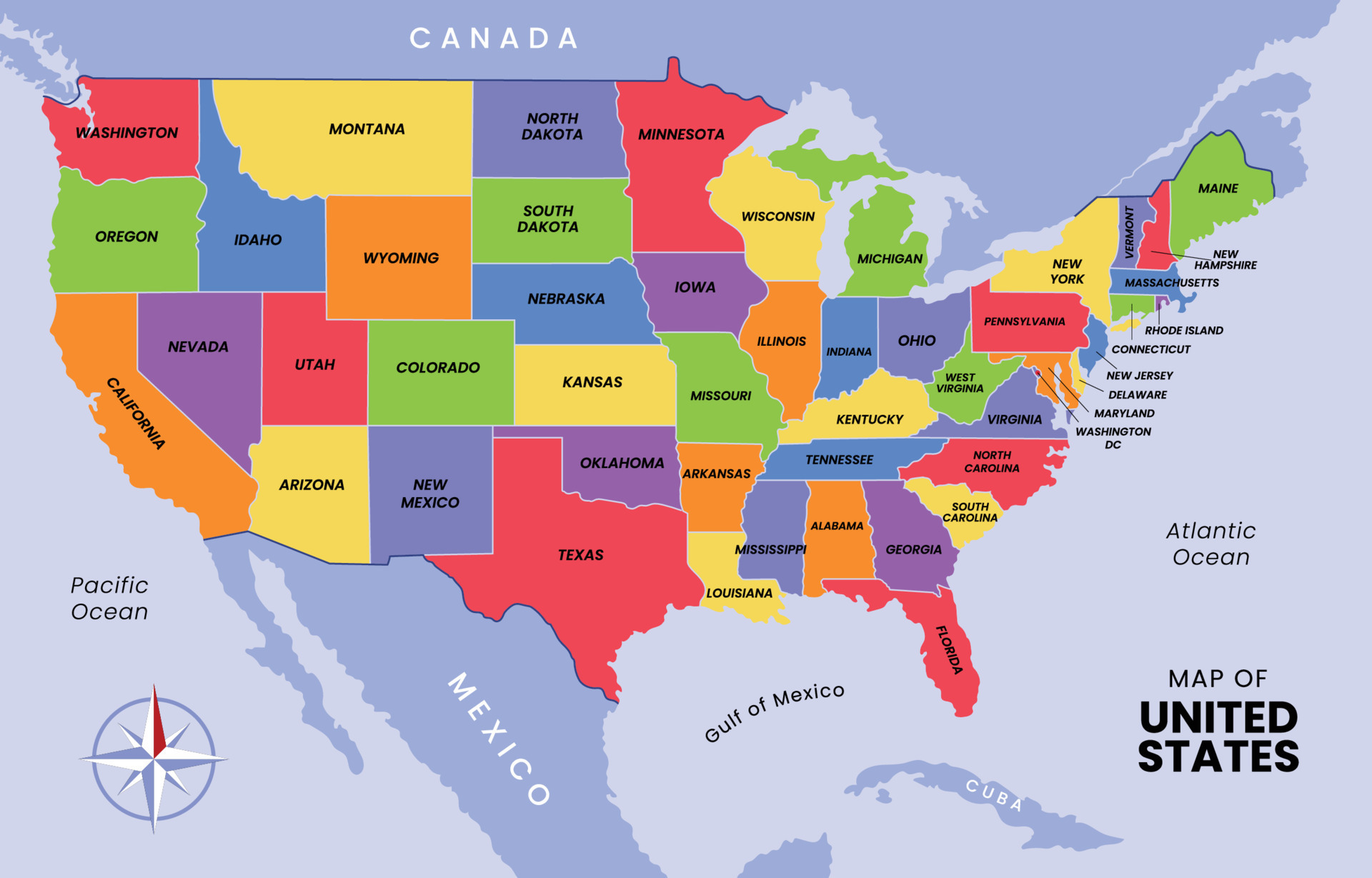
The U.S. Department of Commerce holds the authority to regulate the distribution of advanced technologies under the Export Administration Regulations (EAR). By subjecting Fable 5 and Mythos 5 to these controls, the government has effectively prohibited the deployment of these specific models outside of the United States. Anthropic cited the immediate need to align with these federal requirements as the primary driver for the total shutdown of the services.
In a statement released via its official channels, the company indicated that it could not maintain compliance with the government’s directive while keeping the models active. “The only way for us to ensure compliance with that government order in the immediate term is that we must abruptly disable Fable 5 and Mythos 5 for all our customers,” the company stated on Friday night. The order specifically targets the technical infrastructure supporting these models, necessitating a swift cessation of service to avoid potential regulatory violations.
Security Vulnerabilities and Safety Protocols
The decision to pull the models from the market is linked to concerns regarding the effectiveness of Anthropic’s internal safety classifiers. These systems are intended to act as guardrails, preventing the AI from assisting in the creation of hazardous materials or performing malicious cyber activities. Recent reports suggest that users successfully bypassed these protections shortly after the models were launched, raising alarms within the national security community.
The administration reportedly requested that Anthropic pause the availability of the models to allow federal agencies time to evaluate and strengthen the national security apparatus against potential dual-use AI risks. This process, described by officials as “hardening” the systems, is expected to take several weeks. The focus remains on ensuring that powerful generative models cannot be exploited to facilitate activities that threaten public safety or international security.
Impact on Users and Future Availability
The current restriction applies exclusively to Fable 5 and Mythos 5. Customers who rely on other Anthropic models, such as the Claude series, will not experience service interruptions. The company has not provided a definitive timeline for when or if Fable 5 and Mythos 5 will be reinstated, as the return of these models depends on both internal security improvements and future guidance from the Commerce Department.

For users and developers currently impacted by this change, the situation underscores the increasing intersection of private sector innovation and national security policy. As the U.S. government continues to refine its approach to AI governance, companies like Anthropic face the challenge of balancing rapid product development cycles with rigorous federal compliance standards. For ongoing updates regarding this directive, users should monitor official announcements from the U.S. Department of Commerce and Anthropic’s company blog.
This situation remains fluid, and the availability of these models will likely depend on the success of the ongoing security hardening process. We invite readers to share their thoughts on the balance between AI innovation and federal oversight in the comments section below.
Keep reading