
The proposed merger between Skydance Media and Paramount Global, which holds the parent company rights for major media assets including those associated with AEW broadcasting, has reached a significant regulatory milestone. The U.S. Department of Justice (DOJ) Antitrust Division has cleared the $8 billion transaction, determining that the deal may proceed without the requirement for divestitures or behavioral conditions, according to reports confirmed by Reuters. This development removes a primary obstacle for the media conglomerate as it moves toward final consolidation.
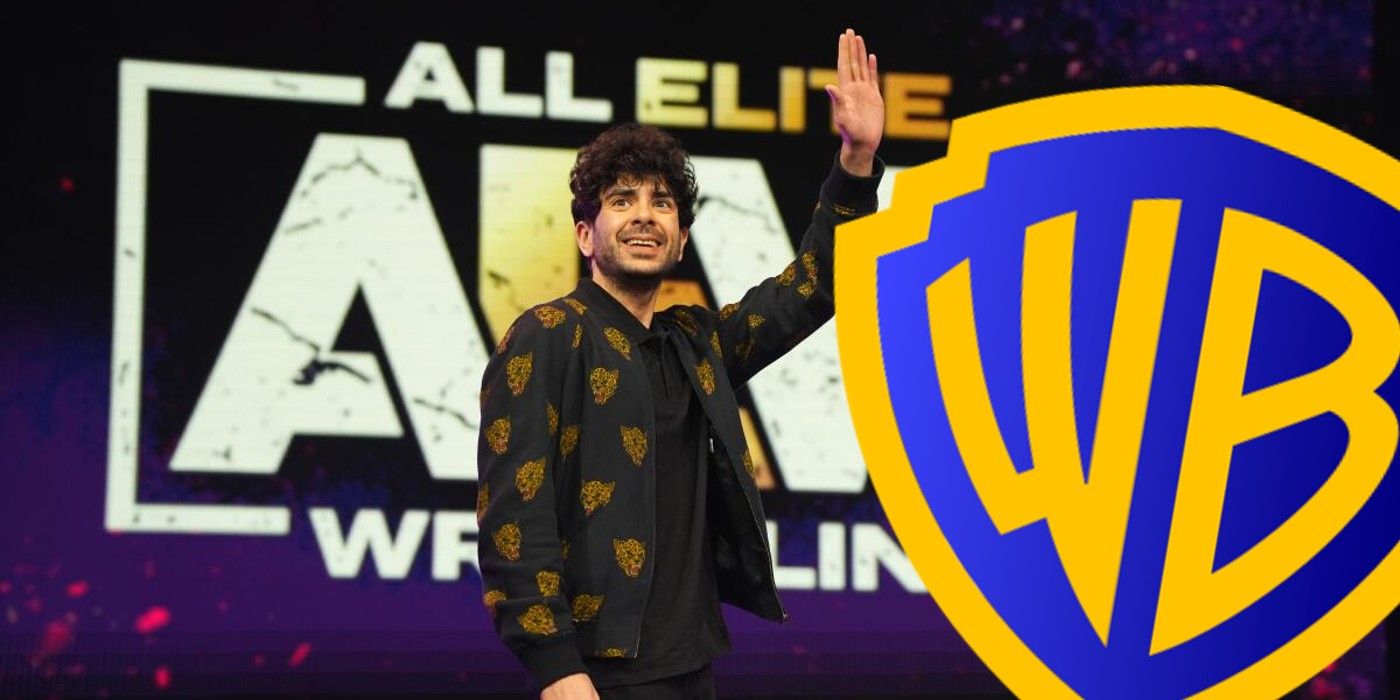
While the broader media landscape often conflates various corporate structures, it is important to clarify the current ownership status of All Elite Wrestling (AEW). AEW is owned by Tony Khan and his family, not by Warner Bros. Discovery or Paramount. However, the business stability of AEW is deeply tied to its broadcast partnership with Warner Bros. Discovery, which airs programs such as AEW Dynamite and AEW Collision. As the media industry undergoes significant structural shifts, the regulatory approval of the Paramount-Skydance merger serves as a benchmark for how federal authorities are currently evaluating large-scale media consolidations.
Regulatory Context and Antitrust Oversight
The approval from the Department of Justice follows a comprehensive review of the competitive impact of the merger. According to reporting from Bloomberg, regulators examined whether the combination of Skydance’s production capabilities and Paramount’s vast library—which includes CBS, MTV, and Nickelodeon—would create an unfair market advantage. The decision to allow the merger without concessions suggests that the DOJ found the transaction unlikely to substantially lessen competition in the television and film sectors.

This “clearance” is a standard but essential phase in American corporate law under the Hart-Scott-Rodino Antitrust Improvements Act. By issuing this clearance, the government signals that it will not seek an injunction to block the merger on federal antitrust grounds. For stakeholders in the media industry, this decision provides a clearer timeline for the transition of power and operational strategy at Paramount Global.
Impact on Sports Media and Broadcasting Partnerships
For fans of professional wrestling and sports media, the primary interest in this corporate movement lies in the future of broadcasting rights. Warner Bros. Discovery, which currently serves as the primary broadcast home for AEW, is navigating its own complex financial environment. The stability of networks like TBS and TNT, which host AEW content, remains a focal point for industry analysts.
The Paramount-Skydance deal, while distinct from the Warner Bros. Discovery operations, signals a trend of consolidation aimed at competing with streaming-first giants. As noted in coverage by The Hollywood Reporter, the new entity intends to leverage Skydance’s production expertise to revitalize Paramount’s film and television output. For sports properties, these consolidations often dictate the budget available for future rights negotiations. While AEW is not part of this specific merger, the overall health of the cable television ecosystem—where AEW generates significant advertising revenue—is directly affected by how these larger media conglomerates manage their debt and content spending.
What Happens Next for the Merger
With the DOJ’s antitrust review concluded, the merger must still satisfy other closing conditions. These typically include shareholder approval and final sign-offs from other regulatory bodies, such as the Federal Communications Commission (FCC) regarding broadcast licenses. According to The Wall Street Journal, the companies are aiming to finalize the transaction in the first half of 2025, provided all remaining bureaucratic steps are completed.
For the average viewer, this means that immediate changes to programming are unlikely. The integration of two massive media entities is a multi-year process. Observers in the sports and entertainment sectors will be watching for the next official filing with the Securities and Exchange Commission (SEC), which will provide more granular detail on the combined entity’s debt management and content strategy. As the market continues to evolve, the ability of these networks to maintain high-value sports and live-event content will be the true test of this consolidation strategy.
We will continue to monitor the regulatory filings and official corporate statements as the transition proceeds. Please share your thoughts in the comments section below or join the conversation on our social channels to discuss how these media shifts might influence the future of sports broadcasting.
Keep reading