The Lebanese Armed Forces (LAF) have issued a formal advisory urging residents of southern border villages to delay their return to their homes until military units have completed safety assessments. The directive, published by the army command, emphasizes the necessity of adhering to instructions from deployed personnel to mitigate risks posed by ongoing security threats and lingering remnants of conflict in the region, according to Reuters.
This cautionary stance follows a ceasefire agreement between Israel and Hezbollah that took effect on Wednesday, November 27, 2024. While the cessation of hostilities has brought a temporary halt to active combat, the Lebanese military maintains that the border areas remain hazardous due to potential unexploded ordnance, structural instability, and the presence of military assets that require clearance before civilian populations can safely return to their daily routines, as reported by the Associated Press.
Security Risks and Military Clearance Operations
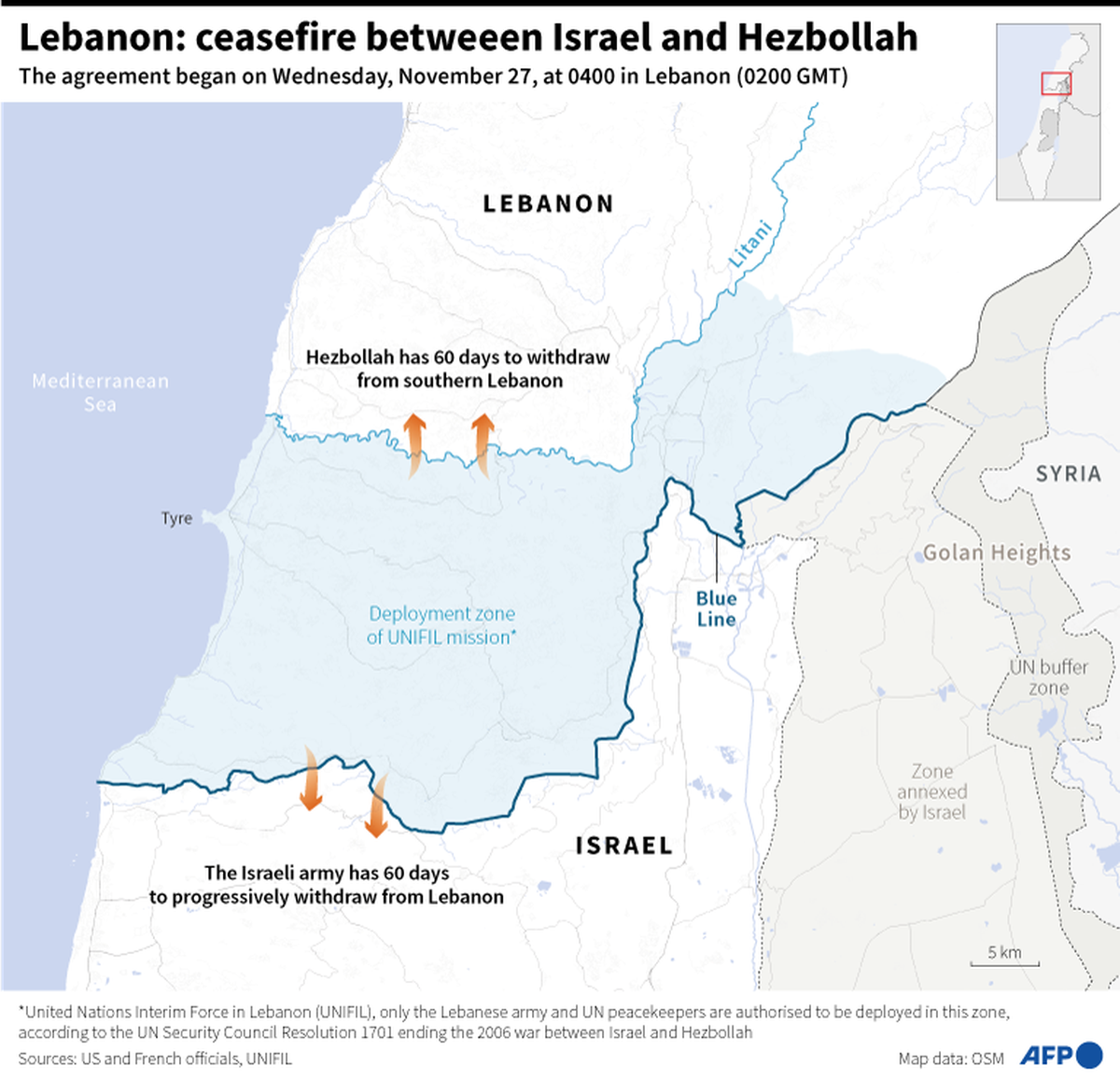
The primary concern cited by the Lebanese military is the immediate danger posed by unexploded ordnance and damaged infrastructure in the villages near the “Blue Line,” the demarcation between Lebanon and Israel. According to a statement released by the army command, the directive is intended to “safeguard their safety from the risk of Israeli violations and attacks” while army units continue their deployment to the south. This deployment is a core component of the U.S.-brokered ceasefire deal, which mandates that the Lebanese Army and the United Nations Interim Force in Lebanon (UNIFIL) take control of the region to ensure the withdrawal of armed groups.
Residents have been advised to wait for official notifications before attempting to return to areas that were subject to heavy bombardment. The military has indicated that it is currently conducting surveys to identify safety hazards, including booby-trapped buildings or areas where active military operations were recently concluded. For many, the desire to inspect property and assess personal losses is high, but officials stress that the physical landscape remains volatile.
The Terms of the Ceasefire Agreement
The current situation is governed by a 60-day implementation period outlined in the ceasefire agreement. Under these terms, the Lebanese Army is tasked with overseeing the departure of armed factions from southern Lebanon, specifically the area south of the Litani River. The agreement aims to transition security responsibility solely to the Lebanese state and international peacekeepers, creating a buffer zone that both Israel and Lebanon have pledged to respect, as documented by BBC News.
International observers note that the success of this agreement depends heavily on the speed and efficacy of the Lebanese Army’s deployment. The military currently faces the dual challenge of re-establishing its presence in a region long dominated by non-state actors while managing the humanitarian crisis of thousands of displaced persons seeking to return home. The government in Beirut has signaled that it will provide further instructions as the security environment stabilizes and clearance operations proceed.
Humanitarian Impact and Displacement
The conflict has resulted in significant displacement, with tens of thousands of people fleeing southern villages since hostilities intensified in late 2023. Humanitarian agencies are currently monitoring the situation to assist those who remain in shelters or with host families. While the prospect of a permanent peace has been welcomed, the immediate reality for many families is one of continued uncertainty.
The Lebanese government has expressed its commitment to facilitating the return of citizens, but it has reinforced the military’s guidance as the primary source of safety information. Residents are encouraged to monitor updates from the Lebanese Army’s official communication channels and local municipal authorities, who are coordinating with the military to provide localized clearance updates. For those currently displaced, the wait is not merely a matter of logistics but a necessary precaution against the lingering dangers of a conflict that has left deep scars on the physical and social fabric of the border region.
The next official update regarding the timeline for civilian returns is expected to be issued by the Lebanese Army command as they complete their initial assessment of the southern sector. Residents are encouraged to share these official guidelines within their communities to ensure that safety protocols are followed during this transition period.
Keep reading