
Anthropic has restricted access to its internal research and development tools, specifically those associated with the “Mythos” project, following the implementation of sweeping new U.S. government regulations concerning artificial intelligence infrastructure. The decision, confirmed by company representatives this week, marks a significant shift in how the San Francisco-based AI lab manages its experimental systems in response to evolving national security mandates. The restrictions arrive as the U.S. Department of Commerce continues to enforce stringent reporting requirements for companies developing large-scale AI models, as detailed in the AI and Advanced Computing Readiness Act frameworks and related executive orders.
The move to shutter Mythos access serves as a direct compliance measure regarding federal oversight of high-compute training clusters. According to a statement provided by the company, Anthropic is currently auditing its internal security protocols to ensure full alignment with the Executive Order on the Safe, Secure, and Trustworthy Development and Use of Artificial Intelligence, which mandates that developers of powerful dual-use foundation models share safety test results and other critical information with the federal government. For industry observers, this action highlights the increasing friction between rapid generative AI innovation and the federal government’s desire for oversight of the hardware and software capabilities powering the next generation of LLMs.
Regulatory Impacts on AI Research Infrastructure
The federal government’s focus on “sweeping” orders largely stems from concerns regarding potential misuse of advanced AI capabilities. By restricting access to Mythos—which reportedly served as a sandbox for experimental model architectures—Anthropic is addressing the requirement to limit unauthorized access to high-compute environments. Under the Department of Commerce’s latest guidance, companies are required to implement more robust “know your customer” protocols for cloud computing providers, ensuring that foreign entities cannot easily leverage U.S.-based infrastructure to train models that might pose national security risks.
This regulatory landscape has forced a pivot among major AI labs. While the specific nature of the Mythos project has not been fully disclosed, industry filings suggest it was designed to test the boundaries of model scaling. The current compliance environment, established under the NIST AI Risk Management Framework, now requires companies to provide detailed documentation on how they secure their internal research pipelines. Anthropic’s decision to limit access reflects a broader industry trend where the cost of non-compliance—including potential export control violations—far outweighs the utility of maintaining open internal research environments.
What This Means for Anthropic’s Roadmap
For researchers and stakeholders, the shutdown of Mythos access raises questions about the pace of Anthropic’s future model releases. The company, which maintains a primary focus on “constitutional AI” and safety-first development, has historically utilized internal research clusters to iterate on its Claude series of models. By tightening access, the organization is effectively prioritizing regulatory adherence over the immediate agility of its experimental teams. This approach aligns with the publicly stated safety commitments the company has made to federal regulators, emphasizing that the development of frontier models must occur within a controlled, observable perimeter.
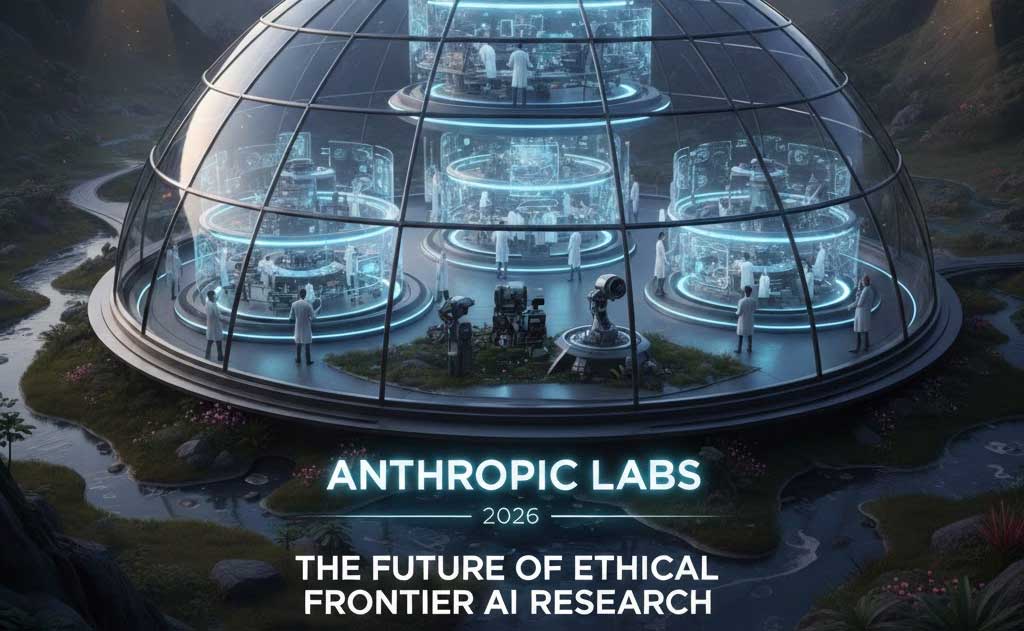
The broader impact on the AI sector remains to be seen, but economists tracking the industry note that these bottlenecks are a natural byproduct of the maturing regulatory environment. As the Federal Trade Commission continues its scrutiny of AI partnerships and resource allocation, labs are increasingly cautious about how they manage their compute resources. The shutdown of Mythos is a concrete example of a technology firm proactively adjusting its operational architecture to avoid the legal and financial penalties associated with the evolving U.S. regulatory regime.
Next Steps in Federal AI Oversight
The next major checkpoint for the industry involves the upcoming deadline for companies to submit comprehensive safety reports to the Department of Commerce, as required by the January 2024 administrative actions. These reports are expected to include detailed disclosures regarding model training logs, safety testing methodologies, and security infrastructure status. Anthropic, alongside other industry leaders like OpenAI and Google, remains under constant observation as these agencies refine their enforcement mechanisms.
As of this week, there have been no further announcements from Anthropic regarding the potential reopening of Mythos or similar research environments. The company has directed all inquiries regarding its current research standards to its public safety portal. Readers interested in the ongoing legal developments surrounding these AI mandates can monitor the official updates provided by the National Institute of Standards and Technology, which continues to host public forums on the implementation of these safety standards. For those following these developments, official filings and press releases serve as the most reliable source for updates on the company’s compliance trajectory.
Keep reading