
Diplomatic efforts to de-escalate regional tensions have intensified as international observers monitor reports of a potential framework for a US-Iran peace deal aimed at ending hostilities and ensuring the freedom of navigation in the Strait of Hormuz. While official channels in Washington and Tehran have yet to confirm the existence of a finalized agreement, the potential for a breakthrough follows months of heightened maritime security concerns and regional military posturing. The stability of this critical waterway, through which approximately 20% of the world’s total petroleum liquids consumption passes, remains a primary focus for global energy markets and international security stakeholders, according to the U.S. Energy Information Administration.
The Strategic Importance of the Strait of Hormuz
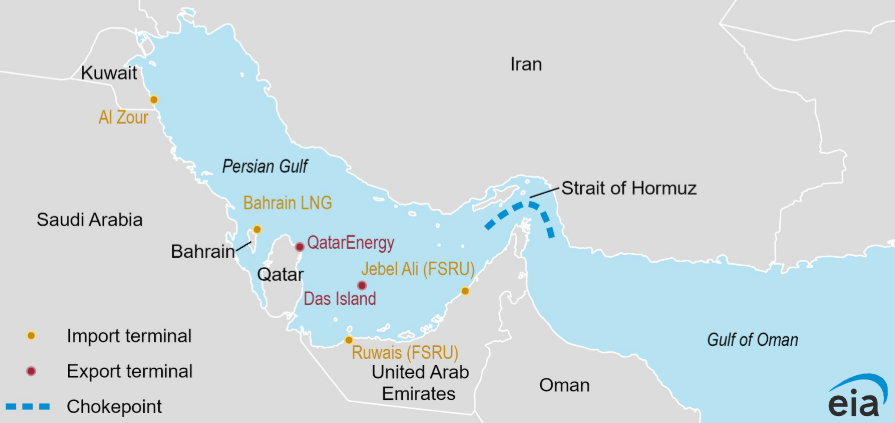
The Strait of Hormuz is a narrow chokepoint connecting the Persian Gulf with the Gulf of Oman and the Arabian Sea. Its significance lies in its role as the primary maritime route for oil and liquefied natural gas (LNG) exports from major producers, including Saudi Arabia, Iran, the United Arab Emirates, Kuwait, and Iraq. Any disruption to traffic in this passage carries immediate implications for global crude oil prices and supply chain stability. The U.S. Energy Information Administration has consistently identified the strait as the world’s most important oil chokepoint, noting that its closure would force a significant portion of global energy exports to be rerouted through longer, more costly paths.
Evaluating Claims of Diplomatic Progress
Reports suggesting a near-term peace deal between the United States and Iran remain unverified by official government spokespeople. In international relations, such high-stakes negotiations often involve back-channel communications mediated by third-party nations, such as Oman or Qatar, which have historically served as intermediaries between Washington and Tehran. According to the U.S. Department of State, official policy continues to focus on addressing Iran’s nuclear program, regional proxy activities, and ballistic missile development through a combination of sanctions and diplomatic pressure. As of this date, there has been no public announcement of a formal signing or a concrete timeline for a comprehensive treaty to end hostilities.

Understanding the Current Diplomatic Landscape
The relationship between the United States and Iran is defined by a lack of formal diplomatic ties since 1980. Current tensions are characterized by a cycle of sanctions, maritime incidents, and regional power competition. Observers often point to the 2015 Joint Comprehensive Plan of Action (JCPOA) as a precedent for complex, multilateral negotiations involving these two nations. However, the withdrawal of the United States from the agreement in 2018, as documented by the White House archives, created a shift in the diplomatic framework that complicates current efforts. Any new agreement would likely require substantial verification mechanisms to address the divergent security interests of both parties and their regional allies.
What Happens Next: Monitoring Official Updates
The path forward remains subject to the volatile nature of international geopolitics. Analysts suggest that any movement toward a de-escalation of maritime hostilities would be preceded by verifiable confidence-building measures, such as the release of detained vessels or a reduction in military deployments near the strait. International stakeholders are currently waiting for briefings from the United Nations and state-level government press offices to confirm if any framework agreement has been established.

For readers tracking these developments, official information can be monitored through the daily press briefings provided by the U.S. Department of State and the statements issued by the Iranian Ministry of Foreign Affairs. As this situation evolves, the primary indicators of progress will be the resumption of regular, undisturbed commercial shipping patterns and the absence of military incidents in the Persian Gulf. We encourage our readers to participate in the conversation by sharing their perspectives on the impact of these developments on regional stability in the comments section below.
Related reading